Africa-Press – Angola. A workshop on the preparation of the Master Plan for the Lobito Corridor, within the framework of the Diversifica Mais project, takes place this Thursday, in this railway city.
This is an informative event and public consultation to create the terms of reference for a better framework for companies that are interested in competing for the preparation of the aforementioned Master Plan.
The meeting will focus on the potential of regional integration to achieve economic transformation and the economic development corridors and methodology of the master plan.
Likewise, the state of infrastructure and the regulatory framework will also be assessed, in two panels, namely the mapping of infrastructure gaps in the Lobito Corridor and identification of priorities.
The regulatory framework and policies for the development of the Lobito corridor will be another subject under analysis.
Diversifica Mais is a Government project financed by the World Bank, which, among other purposes, aims to boost the infrastructure of the Lobito Corridor under a public-private partnership regime to boost its development and encourage national production.
More than 300 participants are confirmed, including businesspeople, specialists in public-private partnerships, economics, logistics platforms, territorial planning, investors and members of the central government and local state administration.
The Lobito Corridor crosses Southern Africa and establishes itself as one of the main axes for the circulation of raw materials, products and merchandise, not only within the countries themselves, but above all due to the connection it establishes with the world market.
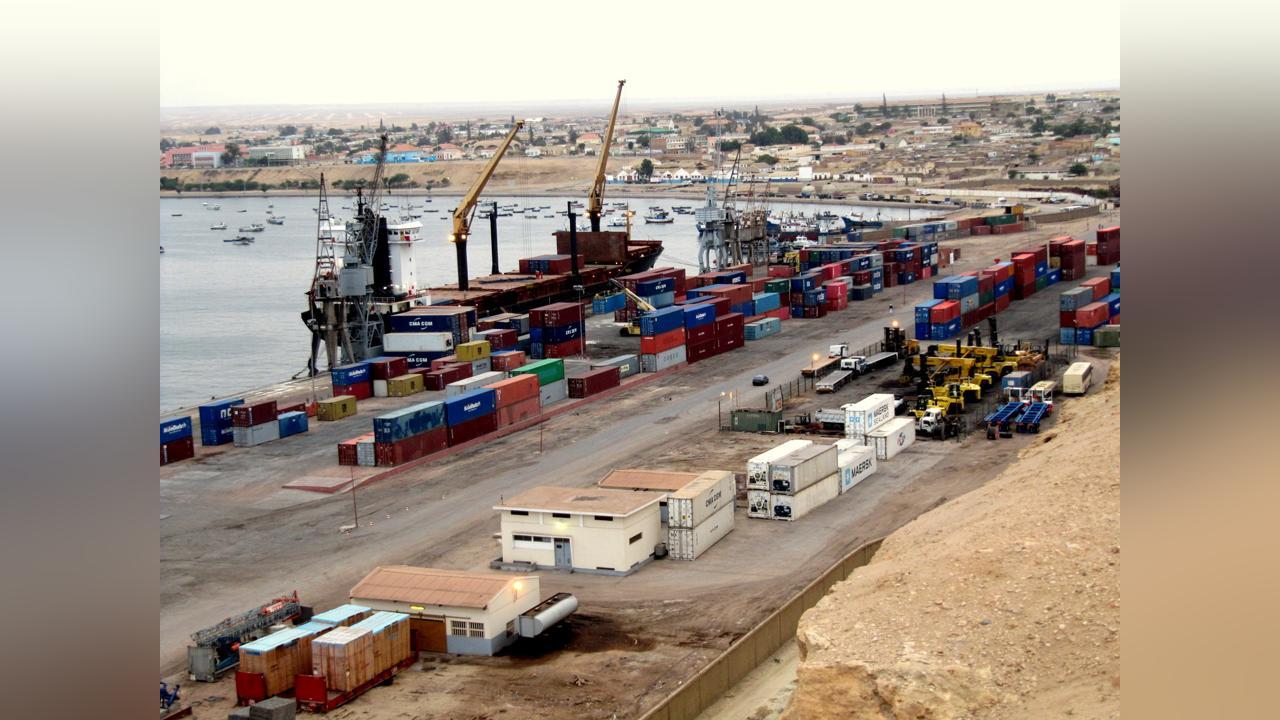
The Port of Lobito ensures a high percentage of the volume of international trade in the sub-region.
The Benguela Railway (CFB), which connects the Port of Lobito, starts in the province of Benguela, passing through Huambo, Bié and Moxico, in the town of Luau, where it connects with the African Union railway network.
Among CFB’s targeted traffic, such as those related to the transport of containers, fuels, construction materials, among others, the most significant potential is minerals, coming from the Democratic Republic of Congo, in the Katanga region, and Zambia, in the Copperbelt.
For More News And Analysis About Angola Follow Africa-Press