Africa-Press – Angola. The Mobility Agreement in the Community of Portuguese-Speaking Countries (CPLP), an instrument that aims to facilitate the entry and exit of Portuguese-speaking citizens in the organization’s territories, without much bureaucracy, will enter the second phase, which comprises operationalization.
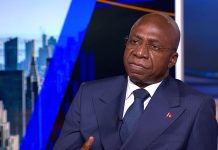
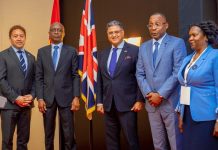
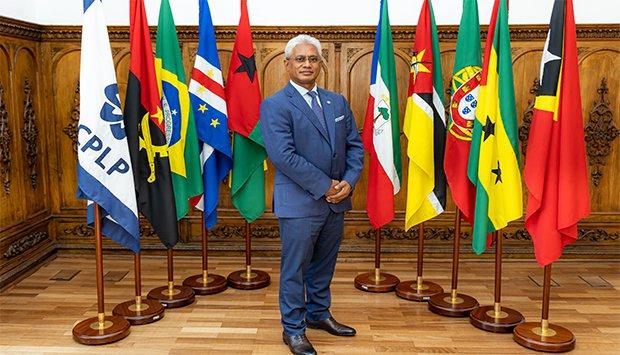
The information was released this Monday (2), in Luanda, by the executive secretary of the CPLP, Zacarias da Costa, after leaving the audience with the President of the Republic, João Lourenço, at the Presidential Palace, in Cidade Alta. Zacarias da Costa did not advance when, exactly, this second phase will come into action, having only underlined that, from now on, each of the Member States will negotiate the type of additional agreement they prefer for the near future. .
“I think that, very soon, we can start working on the second phase, which is the operationalization of the agreement and conclude additional agreements”, highlighted the CPLP executive secretary and added that the instrument has already been ratified by almost all the member states, with only to Equatorial Guinea.
The CPLP executive secretary stressed that the second phase of the mobility agreement will include the convening of a technical meeting through which work will be carried out, at a bilateral level, so that the specificities of each country and the reservations that each one can present.
“We have to be patient. We’ve had several years, that is, 25 years, without any agreement. Now we have an agreement and we have, I think, a starting point that is clear and that, certainly, with the will of all the States -members, we can implement in the short term”, he predicted.
Zacarias da Costa clarified that the approval of the agreement by the member states does not mean, already, the implementation of the free movement of people and goods within the community. He said that the CPLP is a very specific community in geographic terms, combined with the fact that the organization’s countries are integrated into different regional communities.
“The agreement has to be implemented according to the specificities of each country”, he stressed. Zacarias da Costa said that the meeting with the President of the Republic served to take stock of the Angolan presidency at the head of the organization.
“Almost a year into the Angolan presidency’s mandate, naturally, it was important to take stock and put into perspective the second half of the balance sheet”, he concluded. The Angolan statesman is currently the acting president of the Community of Portuguese-Speaking Countries.
For More News And Analysis About Angola Follow Africa-Press