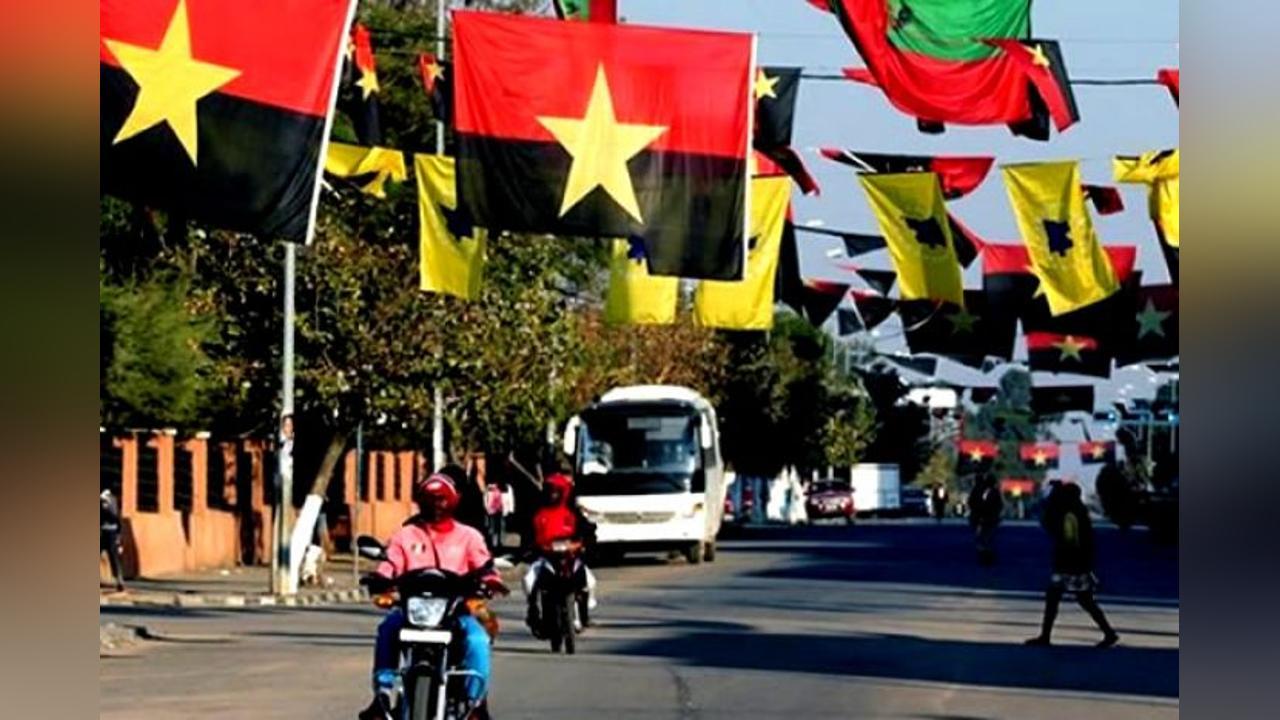
Africa-Press – Angola. The proliferation of political parties in Angola does not bring any benefit to Angolan democracy and some analysts consider that many of these parties are formed only to obtain economic benefits at election time.
With the legalization of the Liberal Party this week, the number of legal political parties in the country rose to 14 and many voters consider that most of them have no impact or meaning.
For Fabio Mbaxi, “we should have an opposition that is more committed to solving the country’s problems. An opposition that would actually confront the political powers in order to improve the socio-economic conditions of Angolan citizens.”
Edgar Manuel, a civil servant, states that, among the 14 opposition parties in Angola, only UNITA stands out for its constant presence in society
PRS says parties are ignored by state media
Rui Malopa, vice-president of the PRS, justifies his party’s low visibility with the lack of space in the Angolan media.
“We have already reached the conclusion that if we have to depend on public media, we will never have this possibility,” he said, adding however that “the PRS is on the streets, it is in contact with the communities, our structures reach out to the communities.”
UNITA’s Secretary of Communication and Marketing, Evaldo Evangelista, agrees with the criticisms made of opposition parties, stating that some parties are merely “decorative”, only emerging at election time.
Electoral parties turn politics into “big business”
For his part, political analyst Daniel Pereira also shares this view, stating that there are parties in the country known as “electoral parties”, which limit their activities to election time.
“These are parties that have an objective, which is to receive those amounts for participation, around 80 million, 86 million Kwanzas for the preparations for the elections and to receive that budget allocation destined for the elections, which is around one million and something dollars,” he said.
“We need to pay attention, many of these actors do not have the objective of reaching the National Assembly, but rather of receiving that money and then giving it another purpose,” he added.
Agostinho Sicato, another analyst, says that politics in Angola “has become big business, a very lucrative business”.
“Most of these individuals, also without capacity, create political parties just to siphon money from the State for elections,” he said.
For More News And Analysis About Angola Follow Africa-Press