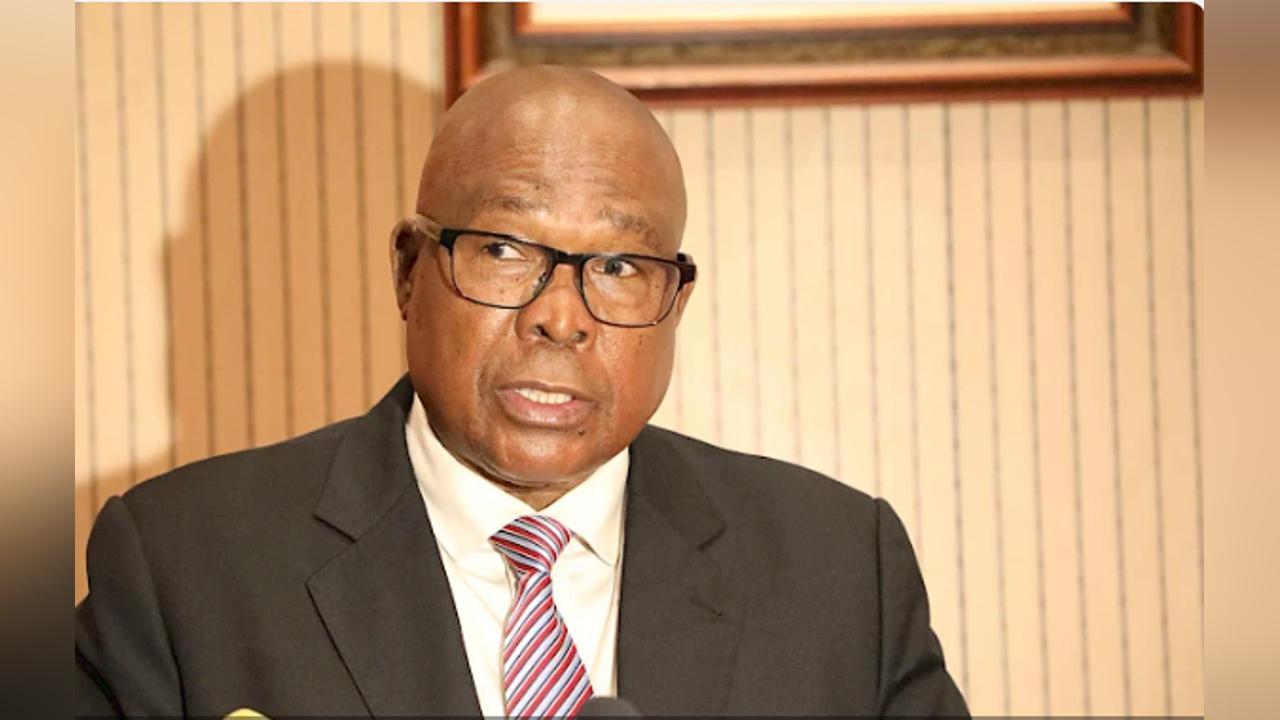
Africa-Press – Angola. Angola has 975 recognized mined areas with an estimated surface area of 60 million meters, the director general of the National Mine Action Agency (ANAM) Leonardo Severino Sapalo said Wednesday in Luanda.
According to the director, the estimated cost of completing the demining of all known mined areas remains extremely high, which has led the Angolan government to continue mobilizing the necessary resources, counting on the support of the international community?
Leonardo Sapalo said that new mined areas have been discovered in several places, particularly in the provinces of Bie, Cuando, Cubango, Malanje, Moxico and Moxico Leste.
According to Sapalo, Moxico, Moxico Leste, Bié, Cuando, Cubango and Cuanza-Sul remain at the top of the most mined regions in the country.
He reported that during 2024, 64 areas were cleared of mines, in an action that the Angolan government had the support of public operators, national and international NGOs, as well as private operators.
“With only a few months to go before the end of the current period for fulfilling obligations under Article 5 of the Convention on the Prohibition of the Use of Anti-Personnel Mines, and with a significant number of areas still to be cleared, the Republic of Angola is forced to submit the third request for an extension of the deadline for complying with the clearance of all known mined areas,” Sapalo said.
Angola signed the Convention on December 4, 1997, and ratified it on July 5, 2002, which entered into force on January 1, 2003.
Leonardo Sapalo reported that since acceding to the Convention, Angola and its national and international partners have carried out several mine clearance operations, provided education on the dangers of explosive devices, and assisted victims of these devices, which has allowed for the implementation of reconstruction and development projects.
The projects cover the sectors of public works, agriculture and forestry, energy and water, transport, tourism, education, health and geology and mining.
“These actions demonstrate the commitment of the Government of Angola and its partners to comply with the obligations inherent in the convention on the prohibition of anti-personnel mines and to ensure that the populations can have access to land and use it safely, through the implementation of socio-economic development projects”, he stressed.
He pointed out the achievements of this initiative as the reduction of accidents with mines and other explosive devices, the free movement of people and goods, the resettlement of populations, the expansion of urban centers, as well as the expansion of and access to land for agriculture and cattle breeding.
He recalled that demining contributed to the construction of central areas, hospitals, schools and other social infrastructures, and improved access to biodiversity conservation areas and tourist areas.
Leonardo Sapalo thanked the Embassy of the Kingdom of Belgium for its financial support for the mine action program and for co-hosting the event, as well as other international donors and all demining operators.
On the occasion, the Ambassador of the Kingdom of Belgium in Angola, Stéphane Doppagne, stated that over the last five years, Belgium has supported demining efforts in Angola with more than 2.3 million euros, mainly in the provinces of Cuanza-Sul, Cuanza-Norte and Bengo.
“Landmines are a legacy of a painful past, but they are also a significant obstacle to a prosperous future. They hinder agricultural development, impede access to education and health care, and perpetuate a cycle of poverty and insecurity,” said Sapalo.
The session took place in the auditorium of the Armed Forces Museum and was attended by more than 150 participants, including members of the Executive, the diplomatic corps accredited in Angola, representatives of civil society, among others.
For More News And Analysis About Angola Follow Africa-Press