Africa-Press – Angola. Every year, thousands of people in the diaspora return home. It’s a time of celebration and reunion, but, as Tosin Adebisi writes, it’s an expression of pride and power in culture that can have a powerful impact throughout the rest of the year.
Detty December, a popular West African phrase for the end-of-year festive season, has become shorthand for a month of homecomings and reunions. It’s one of those you’ve got to experience it phenomena. Packed flights, music, the same social media clips looping endlessly every December. Think Notting Hill Carnival with even more fanfare, if that were even possible — picture a month where concerts, weddings, and street parties overlap, filling Lagos and Accra with movement and anticipation.
But underneath all that noise, there’s something else happening too. Something quieter. Deeper. More emotional. Emotions that we often feel but rarely discuss. Perhaps it’s an ancestral pull. What I sometimes think of as the great returning — a blend of magic and symbolism that gives Detty December its weight.
It’s not only about returning from abroad. It’s also familiar closer to home: the end-of-year tug felt by people who’ve spent the year away from ‘home’, whether in another city or another country, and feel the need to go back, even briefly.
Detty December isn’t just fun.
It’s a pull.
For many in the African diaspora, it has become a ritual of return. A short, intense moment of reconnection with home and family. Language you don’t have to explain. Food you don’t have to translate. Jokes that don’t need context. Even if only briefly, distance, demographics, and differences collapse.
There’s nostalgia in that, of course. But not the soft, sentimental kind. It’s nostalgia that carries longing. The kind that reminds you of who you were before leaving, where you are now, and the unfinished dreams in between. It’s about learning how to belong in more than one place at once.
For many on the continent, the season carries a different kind of weight. Detty December becomes a release. An affirmation of life as it is, and a declaration of hope for the future through cultural immersion and creative expression. A pause. A collective exhale at the end of a long year shaped by economic pressure, uncertainty, loss, and fatigue.
Celebration, in this sense, isn’t excess.
It’s relief.
It’s permission to breathe.
These two experiences often exist side by side, rarely spoken about together.
Diaspora return is sometimes reduced to a spectacle. Local celebration dismissed as a distraction. But neither framing really captures what’s going on. What if Detty December isn’t about indulgence, but hope? A signal of something people are searching for throughout the rest of the year.
What if the question isn’t why do we celebrate so intensely, but why this intensity feels so necessary?
Across African societies, culture has always done more than entertain. Music, storytelling, and dance are ways of holding dignity, transmitting memory, and surviving difficult conditions. There’s a reason the African Union increasingly speaks about the cultural and creative industries not just in terms of expression, but employment, cohesion, and growth. Creativity does real work.
And yet, moments like Detty December — much like Black History Month — seem to concentrate something that’s harder to sustain outside those windows: pride and power.
This year’s Black History Month theme, Pride and Power, named something many people already feel but don’t always articulate. Pride not as arrogance, but as affirmation. Power not as dominance, but as permission. These moments matter. They create visibility. They offer reassurance. They remind people that their stories, cultures, and contributions count.
But they also raise a quiet question: Why do pride and power feel safest when they are seasonal, celebratory, and socially sanctioned?
There’s nothing wrong with Detty December or Black History Month. They do important work. They bring people together. They make room for joy.
This isn’t a criticism. It’s an invitation to think a little further. What if Detty December and Black History Month were not just time-bound moments, but signposts pointing toward ways of creating and connecting that extend beyond a single season?
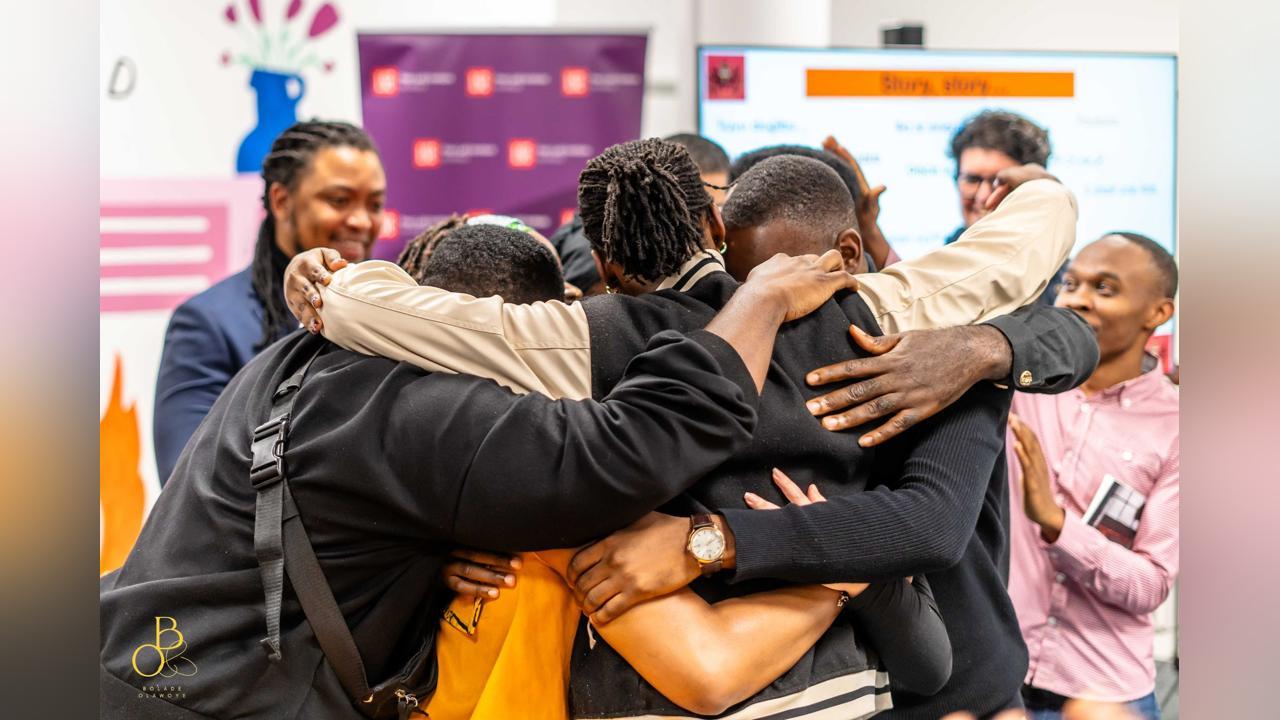
I’ve been thinking about this a lot in relation to Ubuntu Café, a small experiment we began at LSE as part of the Programme for African Leadership, which is an extra-curricular programme for graduate students that empowers a new generation of African leaders.
Ubuntu Café didn’t start as a solution or a model. It came from a much simpler observation: how few spaces exist where Africans, and friends of Africa, can connect across disciplines, generations, and geographies in ways that are culturally rich, socially vibrant, and intellectually alive.
Grounded in the African philosophy of Ubuntu — “I am because we are” — the Café brings together students, creatives, academics, and professionals across Africa and its diaspora through music, poetry, film, conversation, and shared reflection. What matters most in these spaces isn’t polish or output. It’s presence. Community. Belonging.
After more than five editions of Ubuntu Café, what has stayed with me is how often people talk about belonging. How frequently talent and confidence are discovered not through formal pathways, but through play, proximity, and affirmation. How pride returns quietly when people feel seen, listened to, and taken seriously.
Detty December reveals the pulse of pride in those moments when affirmation becomes visible, collective, and alive. But pulses fade unless something holds them.
Ubuntu Café is just one example of trying to do that. Not by diminishing celebration, but by asking how we might sustain community and creativity. How connection can stretch across the year, rather than peak and disappear.
Perhaps what Detty December offers is not something to recreate, but something to learn from.
LSE
For More News And Analysis About Angola Follow Africa-Press