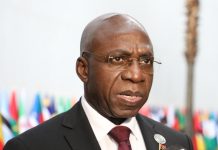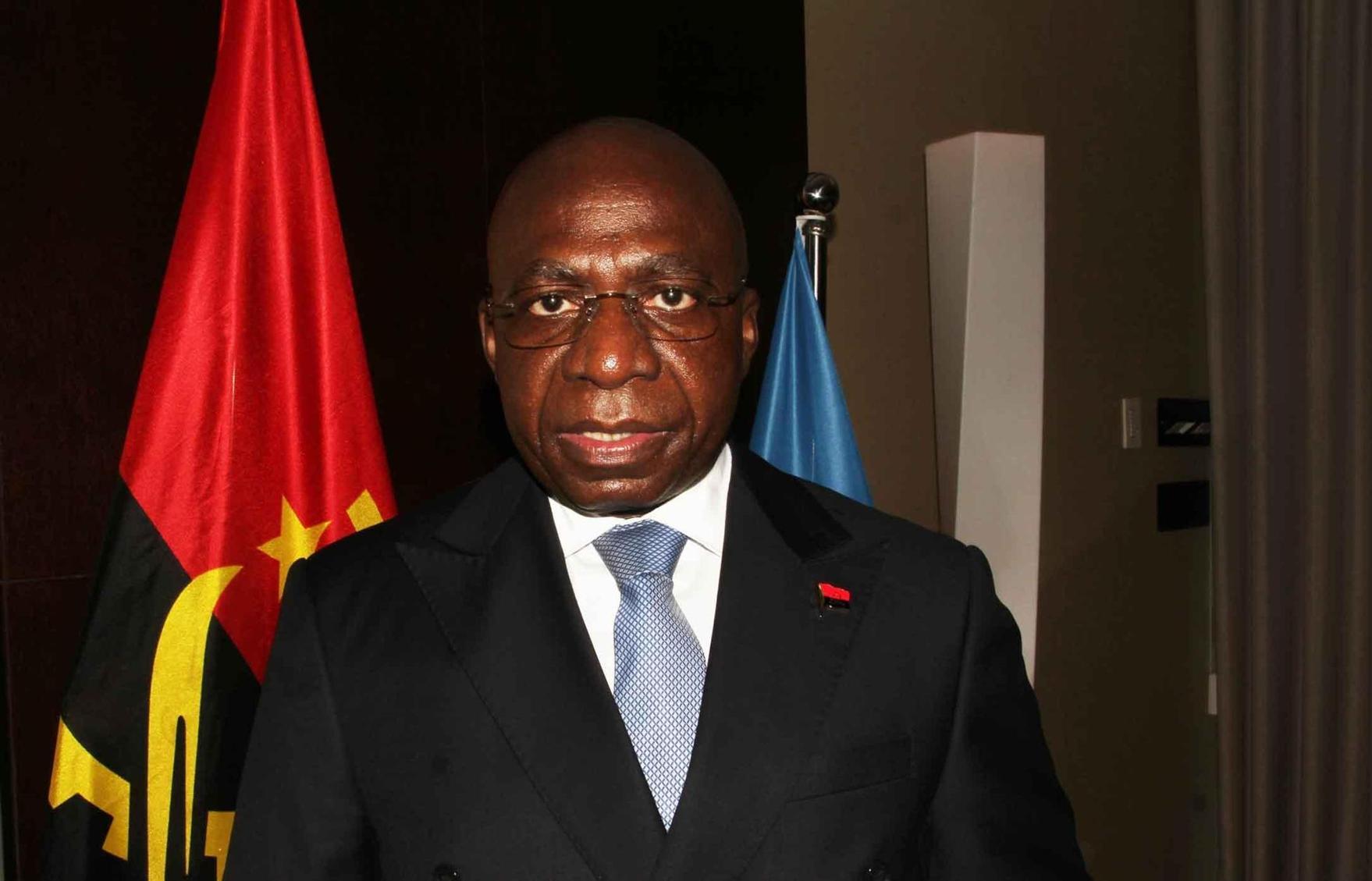
Africa-Press – Angola. The Foreign Affairs Minister Tete Antonio highlighted on Wednesday the role Angola has played as a stabilizing force, a promoter of peace, and a catalyst for African solutions to the continent’s problems.
The minister made the statement at the opening of the conference “Angola’s Experiences in the OAU/AU and the UN,” under the theme “Celebrating the achievements of Angolan diplomacy in 50 years of national independence”.
The Angolan top diplomat emphasized that the country’s role in regional mediation and stabilization processes, particularly in Central and Southern Africa, reflects diplomacy grounded in credibility, trust, and a commitment to lasting peace.
He noted that, at the global multilateral level, Angola’s participation in the United Nations is a clear expression of its commitment to a rules-based international order, the primacy of international law, and the centrality of dialogue.
Tete Antonio emphasized that Angola resolutely upholds the principles of the United Nations Charter, not as normative abstractions, but as concrete instruments for the preservation of peace, sovereignty, development, and harmonious coexistence among peoples.
He added that the various attempts to end the civil war have enabled the country to gain experience in conflict prevention, management, and resolution, thereby establishing a robust peace doctrine that is frequently sought after.
“Over the past 50 years, Angola has served two terms on the UN Security Council as a non-permanent member. It has also served on the Economic and Social Council (ECOSOC) and the UN Peacebuilding Commission, and is currently serving its second term on the Human Rights Council and its fourth term on the African Union Peace and Security Council, on an overlapping basis,” the minister said.
The minister noted that the President of the Republic, João Lourenço, recently ended terms as chairperson of the African Union, the ICGLR, and the ACP Group, with a record widely recognized by member states.
He noted that Angola positions itself as a relevant and constructive actor in major global debates, ranging from the reform of the international governance architecture to issues of energy security, climate change, food security, and human mobility.
The minister highlighted the fact that the world is undergoing a historic turning point, marked by the emergence of a more fragmented international order, characterized by strategic rivalries, polarization, the redefinition of alliances, and the growing complexity of transnational challenges.
Participants in the event include members of the government, deputies to the National Assembly, the Diplomatic Corps accredited to Angola, ambassadors, and directors of various geopolitical departments within the Central Organs of the State Apparatus.
The conference will continue through Thursday, culminating in an awards ceremony honoring the diplomats who have distinguished themselves most over the years.