Africa-Press – Angola. Angola plans to increase the financial inclusion rate from the current 49% to 65% by 2027, as part of the Action Plan of the National Financial Inclusion Strategy (ENIF) 2026-2027, approved on Friday by the Government.
The document was approved during the 8th ordinary session of the Coordination Committee of the National Financial Inclusion Strategy, under the guidance of the Minister of State for Economic Coordination, José de Lima Massano.
The strategy aims to improve financial literacy and increase access to banking and financial services.
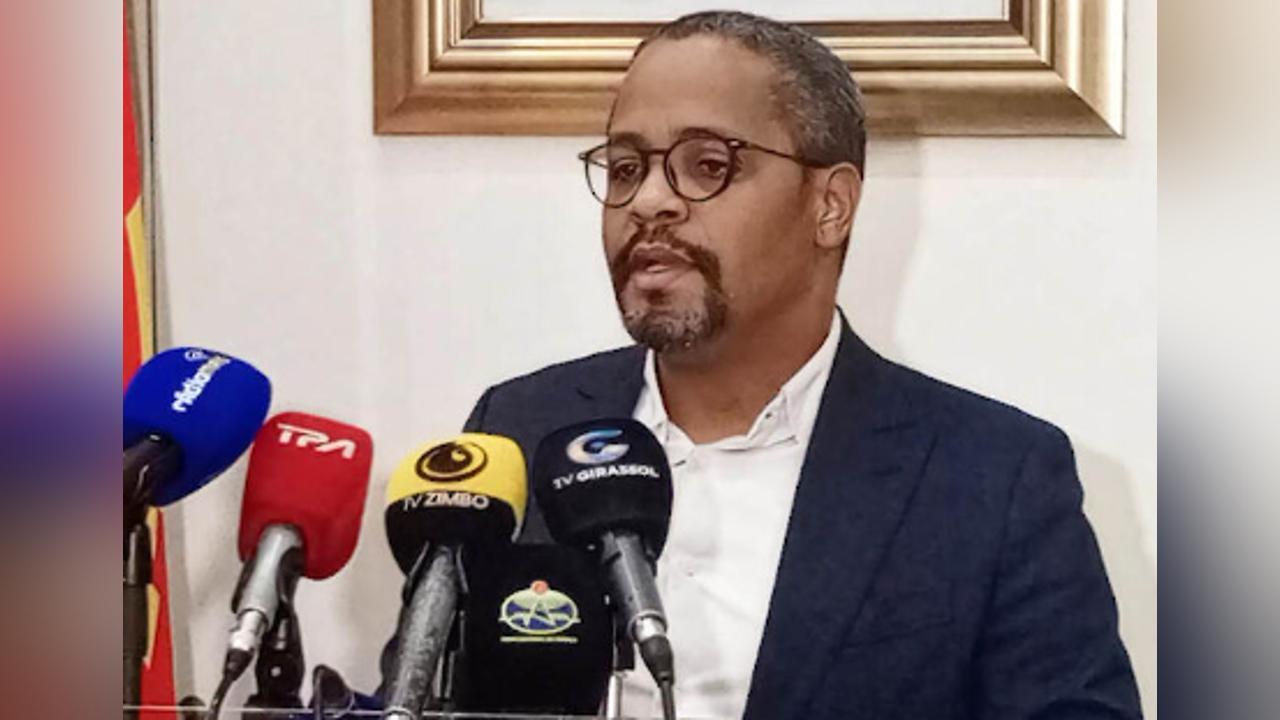
According to the spokesperson for the meeting, Edilson Pimenta, Director of Financial Inclusion at the National Bank of Angola (BNA), the new plan is based on four fundamental pillars, namely access to transactional accounts, financing for micro, small and medium-sized enterprises, consumer protection and financial literacy.
He noted that the Committee observed that the resolutions from the previous session have an implementation rate exceeding 60%, highlighting progress in the digitalization of public payments and the strengthening of the interoperability of the financial system.
Regarding the main challenges, he pointed to remote areas with low levels of telecommunications infrastructure, emphasizing that the other bodies of the government structure will reinforce their actions to achieve the goal of 65% financial inclusion.
He stressed that the Executive reiterated the need to accelerate actions with a direct impact on banking and productive inclusion of families and, to this end, the plan foresees the development of digital identity initiatives and the improvement of connectivity in areas with less network coverage, aiming to reduce territorial asymmetries.
“These measures are crucial for the consolidation of a more resilient financial system oriented towards the sustainable economic development of the country,” he reinforced.
According to the meeting report, the Committee highlighted the expansion of the Kwik instant payment system, where data points to exponential growth in the adoption of this technological tool by the population and economic agents.
Specifically, the Kwik system integrates 22 payment service providers, from a universe of 26 eligible institutions, and in March it carried out a volume of 3,666,545 transactions.
These transactions, in the period under review, reached a financial flow of approximately 91 billion kwanzas, representing 171% of year-on-year growth.
The next ordinary meeting of the Committee is scheduled for June 2026, in Luanda.
For More News And Analysis About Angola Follow Africa-Press