Africa-Press – Angola. Thirty countries import and consume Angolan Liquefied Natural Gas (LNG), produced by the Angola LNG factory, in a universe of around 20 countries that produce and export this commodity around the world.
In addition to being part of this short list of natural gas producing and exporting countries, Angola LNG, with an installed capacity to produce 5.2 million metric tons per year, represents more than 1% of world production.
In other words, of the approximately 400 million tons of gas produced by these countries, in 2022, for example, Angola contributed more than 1% of its production, exported to more than 25 nations, in a group of around 47 importing countries of this product in the world.
The country marks its presence on the world map, with a significant weight in LNG production, as confirmed by the CEO of Angola LNG Marketing Ltd (a company based in London, England), Ângelo Paz.
The official pointed to India (Asia) and several European countries as the main destinations for Angolan exports, which are increasingly gaining ground on the old continent, due to the war between Russia and Ukraine.
Before the conflict, he recalled, the majority of Angolan production was sent to India, a reality that had to be redirected to the European market, due to the shortage of gas recorded in the countries of this continent.
As a result, he highlighted, last June, Angola LNG reached a historic milestone, reaching the 400th shipment, since the start of operation of its factory, in 2013.
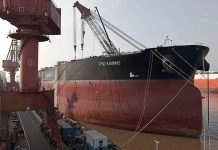
According to Ângelo Paz, the company’s ships (seven vessels) have the capacity to export 160 thousand cubic meters of LNG for each load, with the 400th load representing a milestone recorded in the period from 2013 to 2023.
According to the CEO of Angola LNG Marketing, who did not disclose the volume of imported product and the turnover resulting from exports, the company had to expand or redirect its sales to the European market, as a result of the conflict between Russia and Ukraine.
Angola LNG, he said, stopped exporting, mainly, its product only to India (Asia), as it was previously, to respond to the demand of the European market, which in recent years has faced a shortage of this product, due to the current global geopolitical context.
“The war between Russia and Ukraine caused an increase in demand for gas on the European market, which forced the company to change the normal pattern of its exports, which, initially, were mainly destined for India. Currently, a large part of Angolan gas shipments are sent to Europe, with a view to responding to demand in this market”, he clarified.
According to the CEO, this achievement is part of the company’s commitment to being a supplier of clean and reliable energy to several countries around the world, demonstrating the weight and importance of the Angola LNG brand in the world market.
At the same time, Ângelo Paz points to the production of Angolan gas as a way for the country to directly contribute to the global energy transition process, providing clean energy associated with oil production.
Domestically, in addition to being one of around 20 countries in the world that produces and exports Liquefied Natural Gas, Angola LNG is also the main supplier of gas to the Soyo Combined Cycle Plant, which has the mission of transforming this product into electrical energy. , which is already integrated into the national network system in the North and Center of the country.
From the production of LNG, the manufacturing unit also extracts other liquid by-products, such as butane, propane and condensates, which are sold exclusively to the company’s shareholders, to supply the national market.
In other words, Liquefied Natural Gas is exported to several countries around the world, while the by-products are exclusive to the domestic market, according to the CEO.
“In the natural gas liquefaction or processing process, we have several components, such as butane, propane, condensates and methane, the latter being the lightest of the group, constituting Angola LNG’s main export product”, he explained. .
Angola maintains self-sufficiency in butane production
Angola LNG is responsible for the production of pressurized butane (cooking gas), one of the by-products that results from the processing of this natural gas.
In this regard, the oil company reached the 100th shipment of pressurized butane, on the 8th of this month (November), which represented a relevant milestone for the country, which became self-sufficient in this product in 2017. On average, each shipment of butane is around 40 to 44 thousand tons.
According to the source, this production is exclusively delivered to Sonangol (Sonagás), within the scope of the investment contract existing between the respective shareholders, with a view to satisfying only the needs of the national market.
According to the president of Angola LNG Marketing, the factory provides 125 million cubic feet of gas/year to Sonangol, which distributes this product nationally.
“Under the agreements between the company’s partners, Sonangol has the right to withdraw all butane produced by the factory, taking into account the needs of the national market”, he reinforced.
To maintain the production of these products, the factory depends on raw materials from almost all Angolan offshore oil fields, such as blocks 0, 14, 15, 17, 18, 31 and 32.
However, the person responsible ensures that the factory’s functional status remains stable, maintaining its installed capacity of 5.2 million tons of gas/year, always depending on the raw material made available by the oil blocks.
Impact of the Angola LNG company on local populations
Within the scope of social actions, this company has already invested, since 2013 to date, around 590 million US dollars in environmental and social programs in the province of Zaire, the northern region of the country where the LNG plant is located, as confirmed Ângelo Paz.
Among the quantifiable actions carried out, the marketing president highlighted the investment made in the construction of a multipurpose building, with a library, laboratories, 12 new classrooms and sports and leisure facilities for more than 1,200 children at Escola do Bairro da Marinha, in the municipality of Soyo.
According to data from the source, the investment also included the construction of local roads and bridges, a new power station, the modernization of airport infrastructure, social housing, expansion of the Soyo Municipal Hospital, in collaboration with local authorities and partners, in addition to developing training programs for the local population.
As for the Soyo Municipal Hospital, which was rehabilitated and expanded, the CEO assured that Angola LNG will support its equipping, depending on the request made by local authorities.
In the environmental field, the actions include a wide range of projects that protect and improve indigenous ecosystems, through mangrove restoration programs, protection of sea turtles and the Giant Palanca Negra.
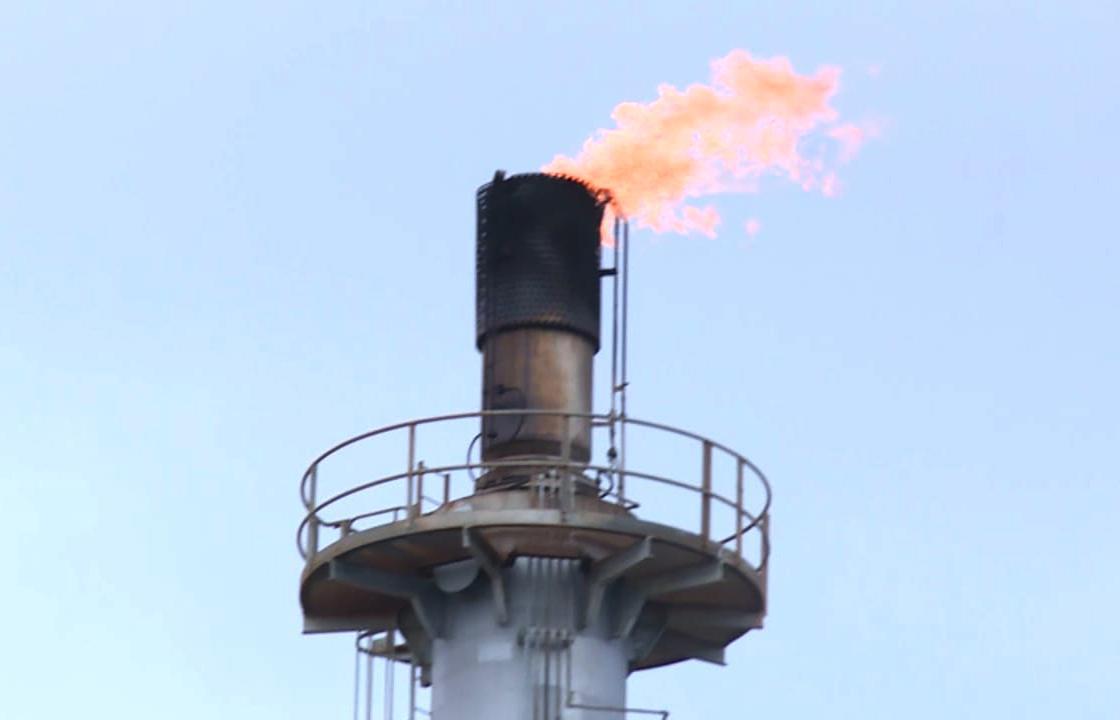
Still in this sector, Angola LNG’s operations focus on improving air quality, through the elimination of gas burning and the reduction of emissions and greenhouse gases.
Project in portfolio
As part of its expansion, Angola LNG plans to implement the “Sanha Lean Gas Connection” Project, which will collect and send additional gas to the company’s modern processing facilities, with the first gas scheduled for 2024.
New Non-Associated Gas (NAG) development projects are also being negotiated between various interested parties, as a component of the global gas supply planning process for Angola LNG.
Therefore, these supplies are expected to occur in 2026.
The Sanha Lean Gas Connection Project is the result of a partnership between Sonangol Gás e Energias Renováveis, SA, Cabinda Gulf Oil Company, TotalEnergies, Azule Energy Angola Production BV and Azule Energy Exploration (Angola) Ltd.
This Project aims to collect and process gas, foreseeing around 80 shipments annually, through its fleet of seven ships for export.
With an initial capital of US$12 billion, the Angola LNG project, developed to create value from offshore gas resources, is one of the largest investments ever in the Angolan oil and gas industry.
The initial phase of construction of the project allowed the creation of more than seven thousand jobs, and currently has at least 500 employees.
Located 400 kilometers north of Luanda, at the mouth of the Zaire river, in the municipality of Soyo, the manufacturing unit is the first private project in the world that works with associated gas, resulting from the exploration of oil on the high seas, which was previously burned in the atmosphere .
The shareholder structure of this factory includes Chevron, with a 36.4% stake, Azule Energy (27.2%), Sonangol (22.8%), and TotalEnergies, with 13.6% of the shares.
Angola LNG appears with the mission of responding to the need to eliminate the burning of associated gas, from oil operations, in the Angolan offshore, making this product a commodity for the world market.
ANGOP
For More News And Analysis About Angola Follow Africa-Press