Africa-Press – Angola. Farmers and peasant families should invest in the cultivation of massambala and massango as a source of income and diet, said the Minister of Agriculture and Forests recently in the city of Huambo.
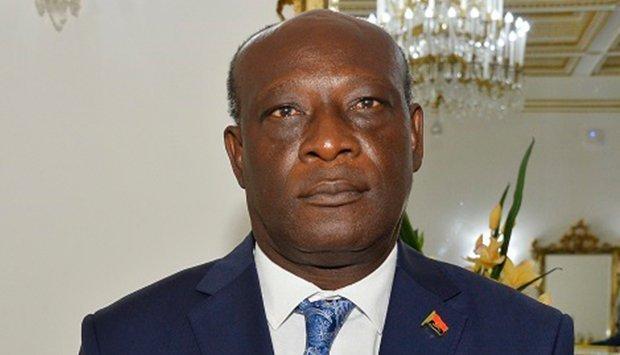
António Francisco de Assis made this statement during the official launch of the International Year of Production of Massambala, Massango and other grains, in an initiative of the Government of India, through the Food and Agriculture Organization of the United Nations (FAO).
The Ministry of Agriculture and Forestry is looking forward to investing in these crops in Huambo, because massango and massamba are not only used for the production of cornmeal, but have other uses and many advantages from an economic point of view, due to the fact that they are easier crops. to produce and less demanding for peasant families.
He recalled that in the south of Angola, many times, there have been several problems with climate change due to drought, because there were people who were not used to the diet and who were forced to eat rice.” If we took advantage of the potential that the country has, it would not be necessary to change the culture”, he stressed.
The minister guaranteed that Huambo, throughout its territory, has the climatic and human conditions to develop this type of crop and highlighted the role of the Agricultural Research Institute (IIA). The professor at the Instituto de Investigação Agronómica Óscar Morais said that the country was already working on a short-term program to promote these crops, which covers the provinces of Huíla, Cunene, Cuando Cubango, Namibe, Benguela and Huambo.
Cooperation
The Indian ambassador to Angola, Pratibha Parkan, said that 50 years ago the culture of massambala and massango helped her country to maintain food security for families and that it can also help Angola to enjoy its benefits from the point of view of its diet and health maintenance, as well as numerous economic benefits.
The FAO representative in Angola, Guerda Barreto, said that the objective of launching this plan was to reduce dependence on cereals, imported grains, with greater emphasis on sorghum, massango, maize and rice.
For More News And Analysis About Angola Follow Africa-Press