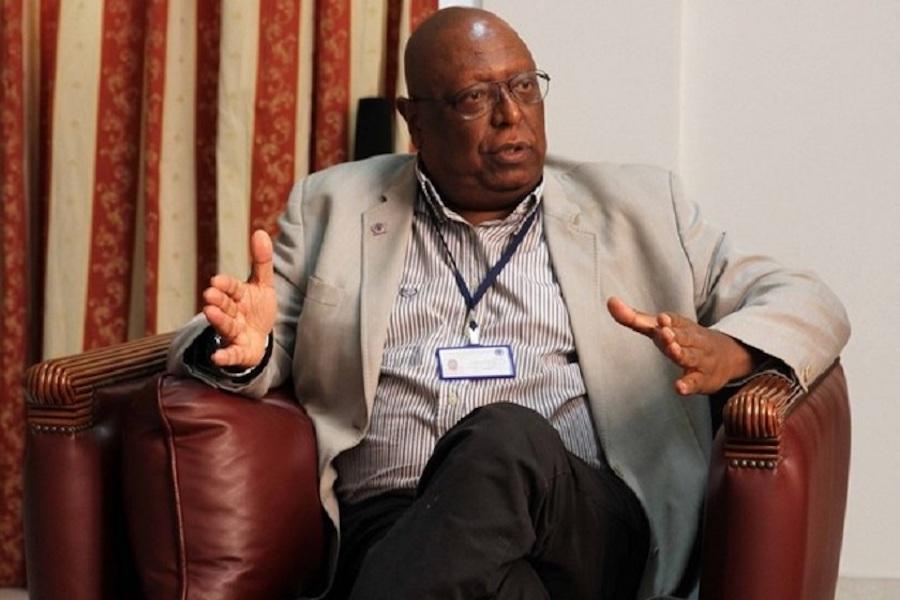
Africa-Press – Angola. The minister of Culture, Filipe Zau, argued this Thursday in Luanda that knowledge of Angola’s history and permanent dialogue are fundamental to building national identity, promoting peace, and strengthening social cohesion.
Speaking at the opening of the Conference Cycle alluding to the Day of the Liberation of Southern Africa (March 23) and the Day of Peace and National Reconciliation (April 4), he stated that understanding the past is essential to overcoming historical divisions and consolidating an inclusive national project.
According to the minister, Angolan cultural identity is not static, but results from a continuous process of construction, based on Bantu roots, historical contact with European peoples, ideological factors linked to nationalism, and the experience of war. In this context, he stressed that historical knowledge contributes to strengthening the feeling of belonging and Angolan identity, and is also crucial for the affirmation of the rule of law, human rights, national unity, and
social justice.
The Minister of Culture, on the other hand, defended the need for the National Archives of Angola (ANA) to assume a more dynamic role, not limited to the preservation of documents, but also to research, interpretation of historical facts and collection of testimonies, aiming at the preservation of collective memory.
During his speech, Filipe Zau stressed that both the positive and negative aspects of history should be analyzed, as they contribute to the formation of national consciousness, with the former inspiring pride and the latter serving as a lesson to avoid future mistakes.
The governor recalled that March 23, 1988, the date linked to the Battle of Cuito Cuanavale, represents a milestone in the fight against Apartheid, having contributed to the independence of Namibia, the liberation of Nelson Mandela, and the end of the segregationist regime in South Africa. He also mentioned that April 4, 2002, symbolizes the end of the civil war in Angola, emphasizing that, although the armed struggle was decisive for independence, internal conflicts hampered the country’s development, and in civil wars, “everyone loses.” He considered it essential to strengthen a culture of peace based on
permanent and open dialogue.
He further stressed that true knowledge results from humility and the understanding that there are no absolute truths, especially in the field of social sciences.
On that occasion, the director of the National Archives of Angola, retired Lieutenant General Justino Ramos, stated that the conference aims to invoke the courage of the combatants who fought for the end of the Apartheid regime in South Africa and contributed to the political development of Southern Africa and the regional integration of SADC.
According to the official, the archive intends to reaffirm its commitment to preserving the memory of fallen combatants and to use the space to reflect on current challenges, the moralization of youth and society, as well as to renew the patriotic values of unity, justice, democracy and sustainable development.
The lecture series addressed topics such as “The Importance of the Battle of Cuito Cuanavale and the Achievement of Peace for Angolan Youth,” “Lessons in Patriotism and Sovereignty,” “The Role of the National Air Force in the Consolidation of Peace,” “Collective Memory and Heroism,” “The Decisive Military Campaigns in Angola for the Achievement of Peace (1976-2002),” and “Valuing and Preserving the Memory of Combatants.” Present at the lecture series commemorating the days of Southern Africa and National Peace and Reconciliation were the president of the foundation, Bornito de Sousa, former Vice-President of the Republic, as well as general, senior, and junior officers of the Angolan Armed Forces.
For More News And Analysis About Angola Follow Africa-Press