Africa-Press – Angola. Angolan economist Francisco Paulo said today that the rise in diesel prices should have an impact on the general price level in the country and argued that the Government should better manage the adjustment of fuel prices.
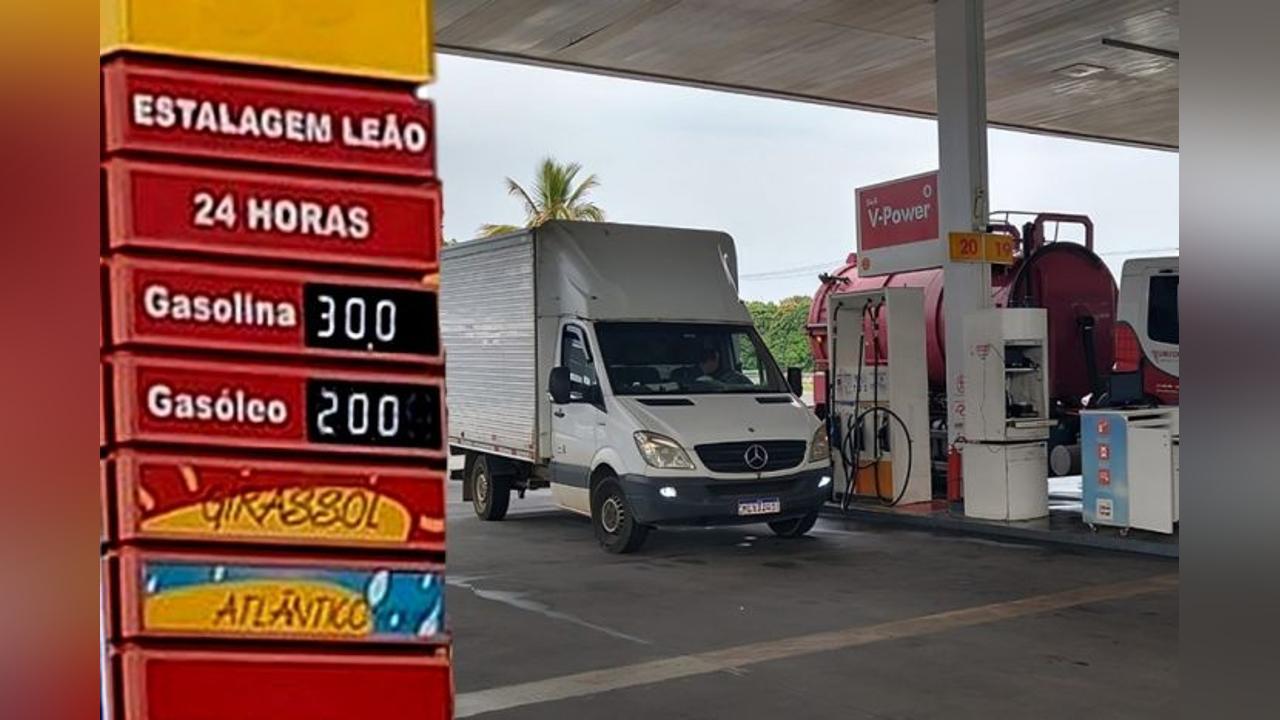
Commenting to Lusa on the new adjustment in the price of diesel in Angola, with a litre now costing 300 kwanzas (30 cents) as of today, compared to the previous 200 kwanzas (20 cents), the specialist said that the production costs of companies that still work with generators will be reflected in the final cost of the product.
“It is clear that the increase [in the price of diesel] will have an impact on their costs and they [companies] will be able to reflect these costs in the prices of goods and services they place on the market, this could have an impact on the general price level, on inflation which remains high,” he said.
The increase could break the downward trend in inflation in the country, “because what counts is not just the impact on costs, but people’s expectations, expected inflation tends to increase”, he pointed out.
Francisco Paulo, a macroeconomics specialist, also argued that the Angolan government should manage this adjustment better, noting that the authorities “take a long time” to make the adjustment, an exercise he considers negative for economic activity.
On the other hand, “the warning time is very short”, he argued, advocating better planning to protect and prepare economic agents. A litre of diesel in Angola will cost 300 kwanzas (30 cents) from today, an increase of 50%, according to the new prices released by the Petroleum Derivatives Regulatory Institute (IRDP).
The increase in the price of diesel, which now costs the same as gasoline, is part of the gradual and flexible adjustment of retail prices of petroleum-based products to market levels.
Fuels in Angola are subsidized by the State, which took the political decision to gradually withdraw this subsidy, following the recommendations of the International Monetary Fund (IMF), which has been happening since 2023.
The economist and researcher at the Catholic University of Angola (UCAN) also highlighted the importance of removing state subsidies on fuel in Angola, believing that the process should stop fuel smuggling, a phenomenon that is a concern for the authorities.
“If we can make them pay market prices [by reducing state subsidies], the country will be able to better deal with fuel smuggling, which only exists because the price in the country is regulated and is very low compared to neighboring countries,” he stressed.
Francisco Paulo also argued that the process of removing fuel subsidies must be accompanied by programs that help improve the income of the most vulnerable families.
For More News And Analysis About Angola Follow Africa-Press