Africa-Press – Angola. Improving the conditions and dignity of former combatants and veterans of the country is one of the priorities of the Executive, said, Wednesday, in Ondjiva, the acting governor of Cunene, Apolo Ndinoulenga.
Speaking at the provincial act on 4 January, Day of the Martyrs of the Colonial Repression in Baixa de Cassange, Apolo Ndinoulenga informed that the government is developing various programs for the recovery and socio-economic reintegration of former combatants.
“Solving the basic needs of this fringe is in the priorities, aiming at the dignity of their social condition and families, being a way of valuing the contribution they made in favor of the freedom of the country”, he said.
For him, the occurrences in Baixa de Cassanje were a clear demonstration of the courage and determination of the peasant warriors who claimed the just dignity of Angolans, oppressed at the time.
Apolo Ndinoulenga considered the date as one of the most important in the country, for contributing to the awakening of the patriotic and nationalist conscience of Angolans, opening the way for the conquest of national independence, proclaimed on 11 November 1975.
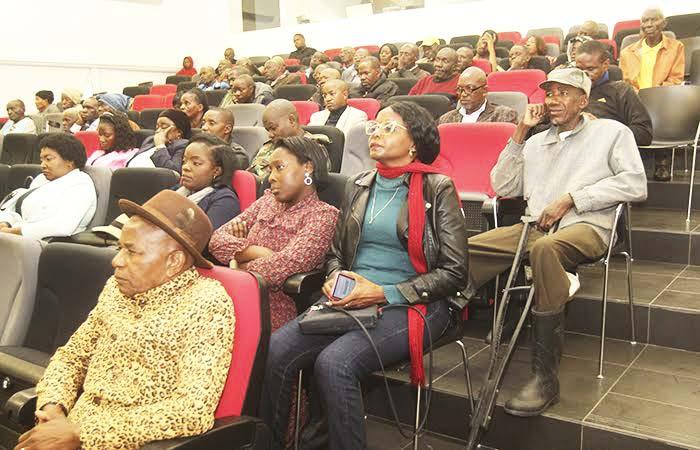
The provincial act that took place at the Mediatheque of Ondjiva, was preceded by the laying of a wreath on the tomb of an unknown soldier, at the Municipal Cemetery of Cuanhama.
On January 4, 1961, Portuguese settlers repressed around 20,000 Angolan peasants, in what became known as the Baixa de Cassanje massacre, a territory located between the provinces of Malanje and Lunda Norte.
On that day, agricultural workers from the cotton plantations of the Luso-Belgian company Cotonang, in Baixa de Cassanje, revolted against slave labor, destroying plantations, bridges and houses.
The response of the colonial authorities did not take long with the sending of the Portuguese Air Force, which bombed the region with projectiles, causing the death of thousands of citizens.
The events in Baixa do Cassanje increased the awareness of freedom among Angolans who, on February 4 of the same year, launched an armed struggle against the Portuguese fascist regime that culminated, on November 11, 1975, with the proclamation of the country’s independence.
For More News And Analysis About Angola Follow Africa-Press