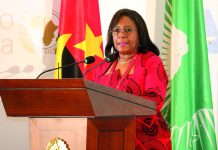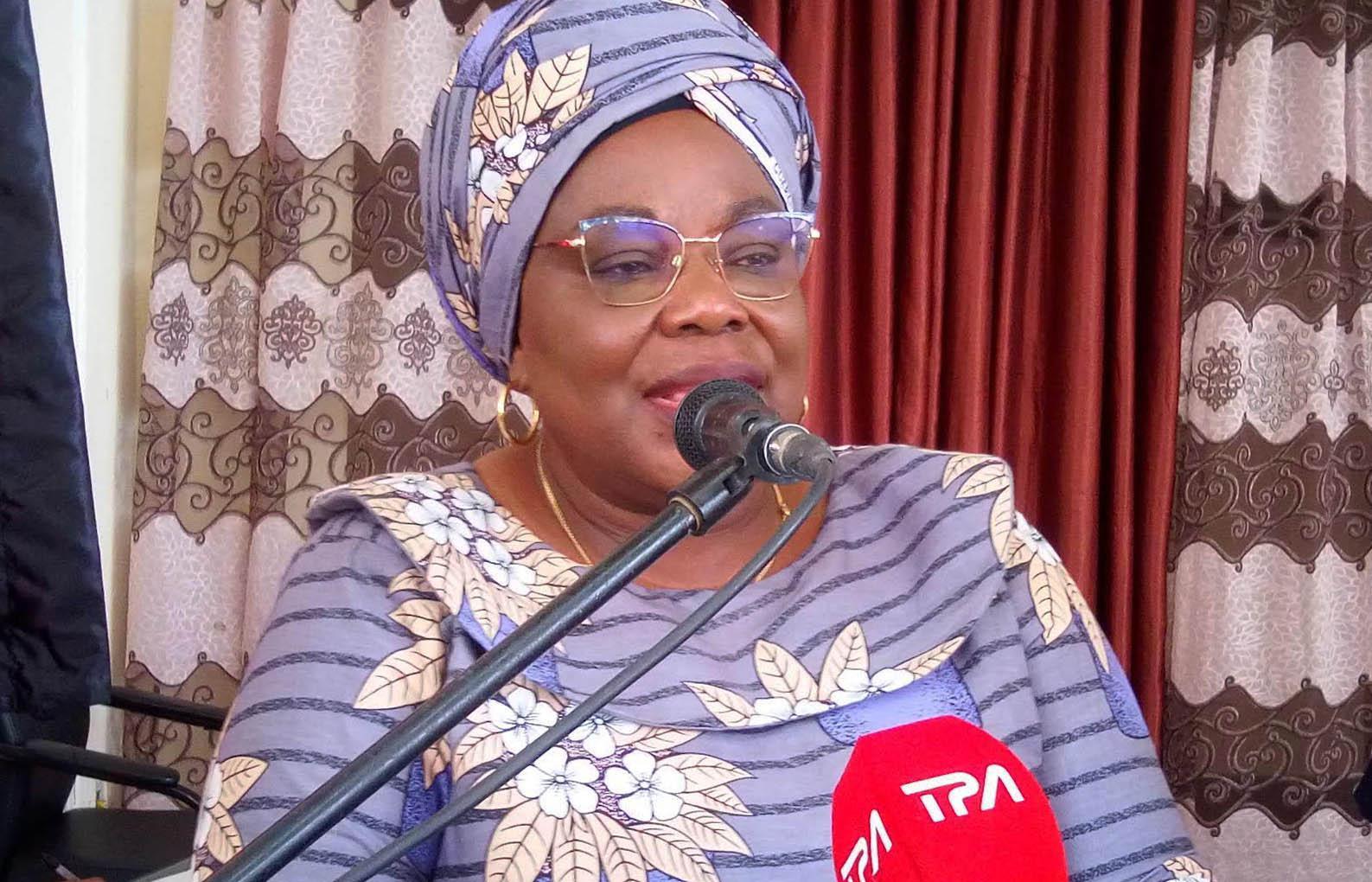
Africa-Press – Angola. The governor of Huambo province, Lotti Nolika, acknowledged Thursday, that rural women still face difficulties in accessing land, energy and water, fertilizers and bank credits, despite the various policies of the Angolan Executive.
The minister, who was speaking at the end of the days commemorating International Rural Women’s Day, celebrated on the 15th of this month, said that it is a social segment responsible, to a large extent, for food security in communities, with hard work, which is often not recognized by society.
She admitted that some of these women were unfortunately unable to finish primary education, as they became mothers at 14 and were forced to marry early.
Lotti Nolika said that, despite the difficulties, it has been the pillar of family and domestic life in rural communities, with the heavy responsibility of educating children and managing the home.
Therefore, she reaffirmed the Angolan Executive’s continued commitment to empowering rural women in the most diverse aspects of life, above all, literacy and the creation of agricultural associations and cooperatives, to guarantee the necessary family support.
The governor defended society’s continuous reflections on the day-to-day life of this social segment that, despite having few financial resources, has made an effort to train their children so that, in the future, they can contribute to the country’s development.
The province of Huambo controls 52 associations and 13 rural women’s agricultural cooperatives, which develop various productive crops.
At the event, held in the commune of Chipipipa, municipality of Huambo, topics were debated on “The importance of field schools in the empowerment of rural women”, “Composting as an alternative for strengthening family farming”, “Presentation of good experiences practices” and sexual and reproductive health.
International Rural Women’s Day, implemented by the United Nations General Assembly, is celebrated every year on October 15, with the aim of highlighting the role and situation of this fringe in society.
For More News And Analysis About Angola Follow Africa-Press