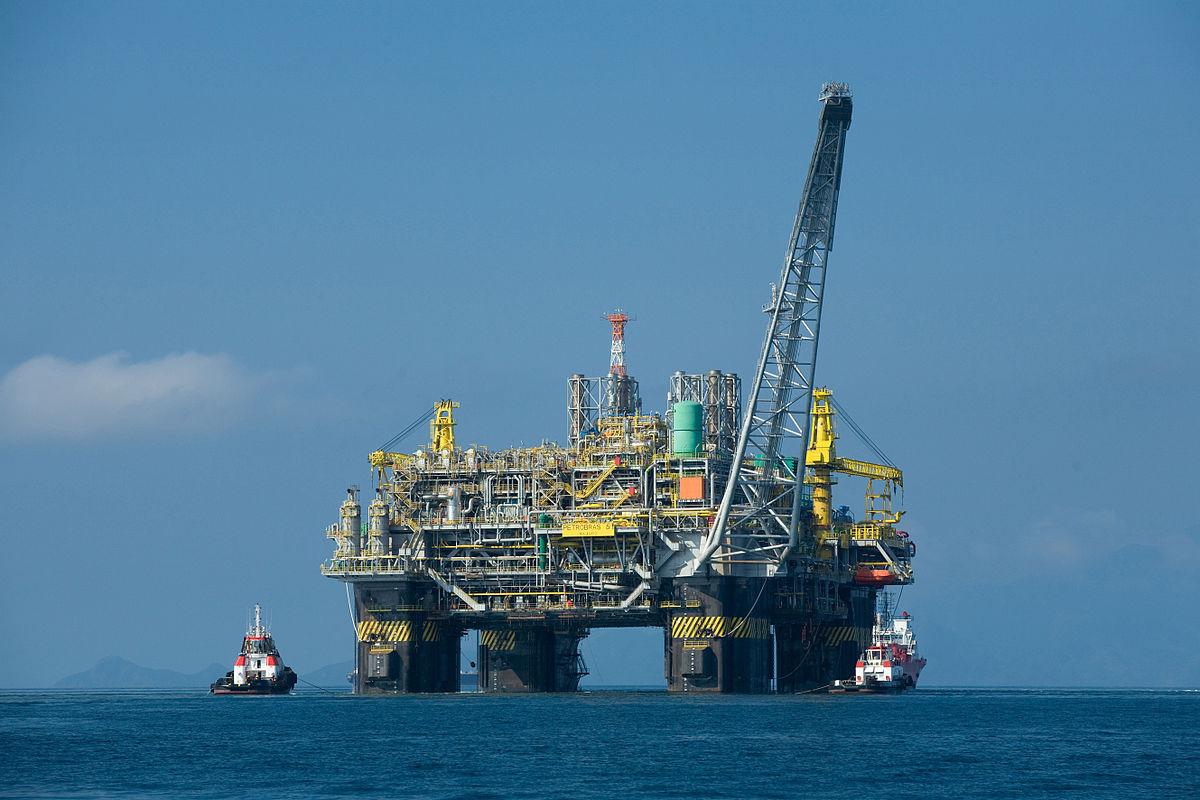
Africa-Press – Angola. The value of gross revenue from oil exports grew 29.84 percent in the first quarter of 2022, reaching a total of US$10.1 billion, compared to the fourth quarter of 2021, according to data from the Ministry of Mineral Resources. , Oil and Gas (MIREMPET).
The increase in revenues is due to the fact that the country traded a barrel of oil at a weighted average price of 103,083 dollars, influenced by the war between Russia and Ukraine, and the decision of OPEC+ to maintain the level of regular increase in supply, among other factors.
In total, the country exported 98.3 million barrels of oil, of which 26.22 percent was exported by the National Oil, Gas and Biofuels Agency (ANPG) and 15.54 percent by the national oil company Sonangol.
The remaining quantities were exported by international companies such as Total Energies (12.74 percent), Esso (9.56%), ENI (9.82%), BP (6.35%), SSI (6.73% ), Equinor (5.84) and Chevron (5.80%).
The highest value of gross revenue, of US$4.1 billion, was recorded in March and reflects the export of 34.44 million barrels of crude oil. Angola kept the amounts reversed in tax taxes, paid to the State through the exports of the operators and the barrels of oil that the country is entitled to, of 280,000 barrels per day.
MIREMPET data indicate that the figures presented represent a 0.21 percent drop in crude oil exports, compared to the same period last year, and 0.40 percent compared to the fourth quarter of 2021.
Angolan Branches Grow 67.1 Percent
During the period in question, the average price of Angolan vines and “Brent”, the reference for Angolan exports, was 103,083 dollars, representing an increase of 67.14%, compared to the same period in the previous year, and of 30.36 percent compared to the fourth quarter of 2021.
In general, prices had an upward trend, according to the head of the Department of Study, Planning and Statistics at MIREMPET, Yuri Pinto. Dália (10.437 percent), Mostarda (10.441%), Girassol (9.01%), Clov (7.99%) and Cabinda (7.60%) were the most commercialized.
The highest average export price was US$112,243 per barrel, registered for the Cabinda Sul range, while the lowest was US$96,590 and was in favor of the Nemba range.
In short, the Angolan grapes performed well, as a result of the recovery of refining margins and the increase in product prices, according to the chairman of the Executive Committee (PCE) of Sonangol, Luís Manuel. “Rising oil prices on the international market have improved market sentiment and boosted demand for crude oil and increased consumption,” he said.
China continued to lead the list of main destinations for Angolan oil, with 63.83 percent, followed by India and France, with 9.86 and 5.11 percent, respectively. The remaining 21.2 percent were shared by countries such as the United States, Spain, Canada, Portugal, the United Kingdom and South Africa.
Diamond Subsector Policies Have Results
The Minister of Mineral Resources, Oil and Gas, Diamantino de Azevedo, said yesterday that the reforms carried out in the diamond subsector “are fully working, making the exploration of the strategic mineral increasingly dynamic and efficient”.
Speaking to the press, on the sidelines of the opening ceremony of the Sociedade Mineira de Chissema, in the municipality of Capenda Camulemba, Diamantino de Azevedo stressed that the new measures implemented by the Executive since 2018 “are increasingly attracting Angolan businessmen and foreigners to the subsector”.
The minister said that it is the Executive’s objective that all cooperatives and semi-industrial projects become companies geared towards industrial exploitation, with a view to making the diamond subsector more robust and capable of contributing to the process of diversifying the national economy.
Diamantino de Azevedo stressed that the Executive will continue to support such initiatives, without bureaucracy, to expand the sources of revenue collection.
For More News And Analysis About Angola Follow Africa-Press