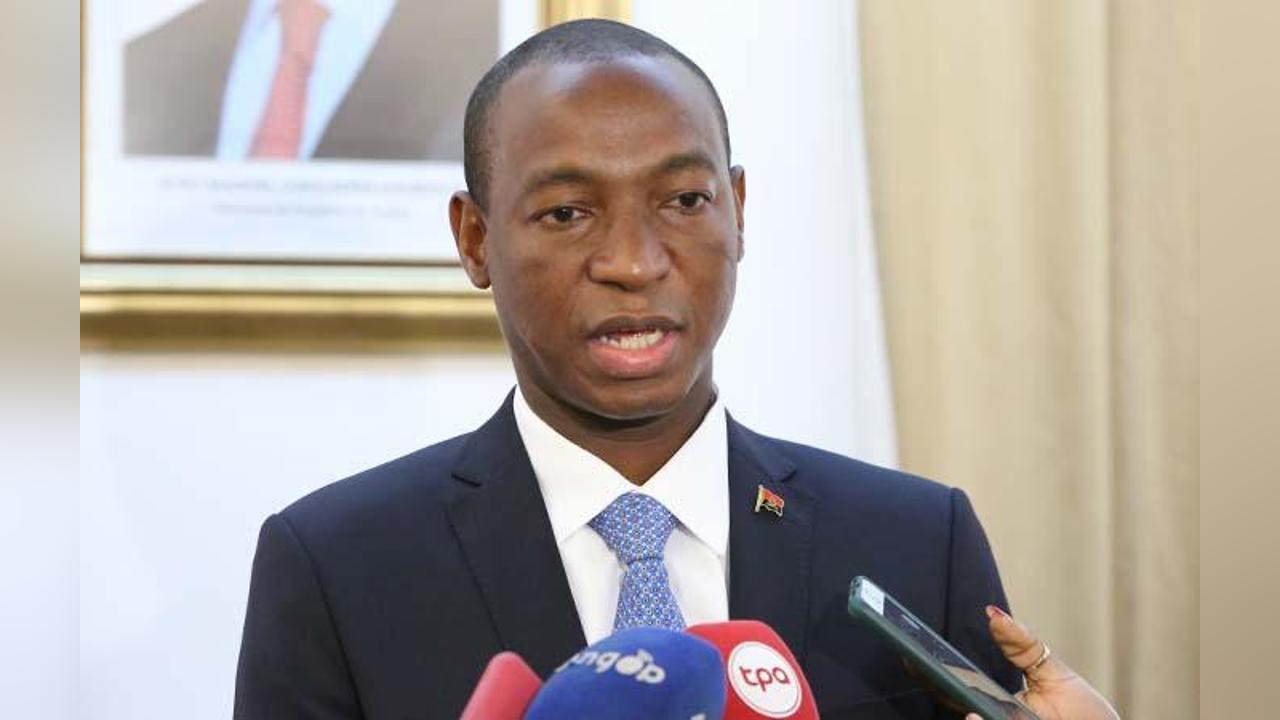
Africa-Press – Angola. Around two thousand people with genetic disorders, characterized by the total or partial absence of melanin (albinos), are being monitored by the National Health System (SNS), the Secretary of State reported this Thursday in Luanda for the Hospital Area, Leonardo Inocêncio.
According to the person responsible, protection includes access to appropriate health services, dermatological and ophthalmological care, medical monitoring, psychological support and education about the risks to your health.
Speaking at the forum on albinism, from a human rights perspective, the secretary said that there are an estimated 6,818 people with albinism in Angola.
“We are committed and working to guarantee health care, resources, education and psychological support for all people with albinism in Angola”, he said.
Leonardo Inocêncio said that albinism constitutes a factor of vulnerability, contributing to the fact that the majority of people in this group face prejudice and stigmatization, as well as multiple forms of discrimination based on skin color.
“These factors prevent people with albinism from exercising their economic and social rights, forcing them into isolation”, highlighted the person responsible, for whom, around the world, “albinos” often face social exclusion, prejudice and discrimination, since childhood.
For Leonardo Inocêncio, people with albinism must have opportunities in various social areas, taking health, education, training and employment as an example, to build a more inclusive and equitable society.
Corroborating the idea, the Secretary of State for Human Rights and Citizenship, Ana Celeste Januário, stated that two important documents were approved this year, specifically the plans for the Inclusion of People with Disabilities and the Protection of People with Albinism (PAPPA) .
Along these lines, he informed that they are working on the implementation of the aforementioned plans that aim to include this group, promoting their rights.
In turn, communicator Celso Malavoloneke spoke about the approval of the Protection Plan for People with Albinism 2023-2027 (PAPPA – 2027), whose Presidential Decree has already been published in Diário da República.
The plan, within the competences and responsibilities of the National Council for Social Action (CNAS), will allow the execution of sectoral tasks, with a view to supporting, protecting and materializing the rights and legitimate interests of people with albinism and their representative institutions.
In this sense, 13 areas were defined as priorities in the support and protection of people with albinism, namely education, awareness raising and training, health, public order and tranquility, transport, investigative research, among others.
Within the framework of PAPPA, actions in the areas of administration of justice, higher education, science, information technology, sport – social inclusion, culture, social protection and security, housing and labor accessibility are also priorities.
The program provides for inclusive and quality school education, access to higher education, sport as a tool for social integration, culture, protective policies and laws to combat stigma and discrimination, research and production of statistical data.
It is valued at forty-seven billion, three hundred and twenty-nine million, two hundred and ninety-three thousand and forty-nine kwanzas. It is aligned with the Universal Declaration of Human Rights, the United Nations 2030 Agenda for Sustainable Development Goals and the Action Plan on Albinism in Africa.
Albinism is a genetic disorder characterized by the total or partial absence of melanin (the pigment responsible for the color of the skin, hair and eyes).
People with albinism have very white skin, extremely light eyes, hair, eyelashes and other body hair.
The main cause of albinism is the genetic alteration that affects the production of melanin, and the mutated gene must be inherited from the father and mother for the condition to manifest itself.
For More News And Analysis About Angola Follow Africa-Press