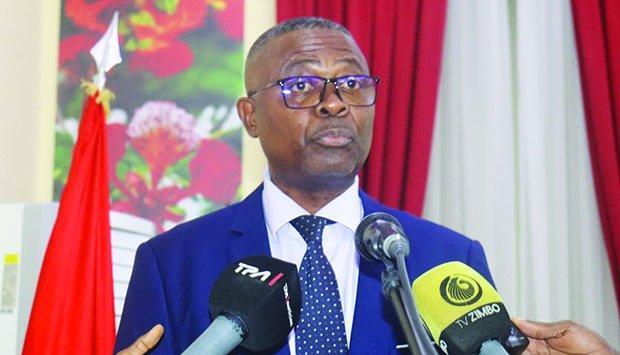
Africa-Press – Angola. The consequences of corruption and preventive measures must be addressed in primary and secondary education institutions, so that children grow up with knowledge about the harm caused by this phenomenon, argued, in Benguela, the coordinator of the Central Judicial Region of the Attorney General’s Office (PGR).
Carlos Manuel dos Santos, who was speaking at the opening of a round table to mark the 21st anniversary of the African Union Convention on Preventing and Combating Corruption, which is taking place under the motto “African Union Convention on Preventing and Combating Corruption – 21 years later”, stressed that the fight against this phenomenon in the country must be constant, given the harmful consequences that it has on the country’s economic and social development.
“For this fight to be effective, everyone’s collaboration and participation is necessary”, he stressed, adding that it is essential to carry out awareness and sensitization campaigns among the population, always highlighting the need to prevent and repress corruption.
The Deputy Attorney General also recalled that on 11 June 2003, in Maputo, at the 2nd Ordinary Session of the African Union Conference, the member states ratified the continental organization’s Convention on Preventing and Combating Corruption.
“This Convention was adopted taking into account the negative impact of corruption and impunity on the political, economic, social and cultural stability of African States and their devastating effects on the economic and social development of the peoples of Africa, jeopardizing accountability and transparency in the management of public affairs”, he stressed.
Carlos Manuel dos Santos added that, 21 years after its approval, the impact of the Convention on the Angolan Legal System is positive, as the Angolan State has adopted several measures to prevent and combat corruption, recommended by the treaty.
Among the measures, the coordinator of the Central Judicial Region of the PGR highlighted the creation of norms that criminalize corruption in the private sector; the approval of the law aimed at protecting whistleblowers and witnesses in cases related to corruption and similar offenses, including the protection of identities.
He stressed that money laundering of all proceeds resulting from corruption and related offences has been criminalised, and measures have been adopted to confiscate and recover financial and non-financial assets resulting from acts of corruption and related crimes, pending the final judgement.
“We can see how important this Convention is in the field of preventing and repressing corruption in the countries of the African continent”, he stressed.
For More News And Analysis About Angola Follow Africa-Press