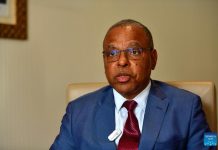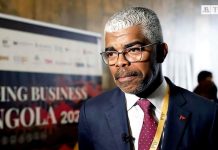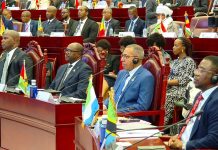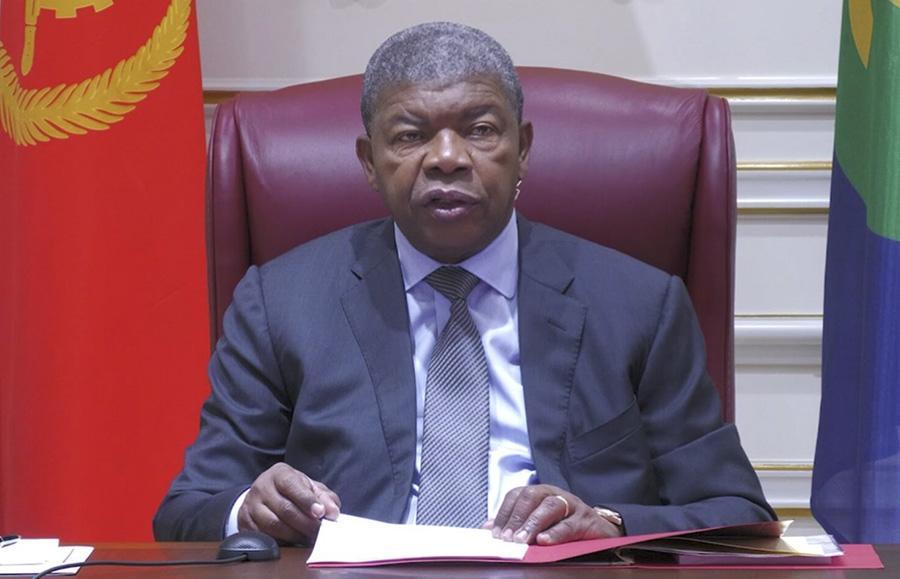
Africa-Press – Angola. The President of the Republic, João Lourenço, highlighted, this Friday, solidarity and joint action between the countries of the Southern African Development Community (SADC) as essential to prevent and control the spread of the cholera outbreak in the region.
According to the acting president of SADC, in the opening speech, in Luanda, of an extraordinary summit, in virtual format, on the cholera outbreak in the community, this public health crisis represents a serious threat to sustainable development and the well-being of populations.
Since January 2023, the SADC region has been plagued by a cholera outbreak, with cases recorded, until last Sunday, in five countries (Botswana, South Africa, Mozambique, Zambia and the Democratic Republic of Congo).
At this critical moment, he declared, “we must recognize the urgency in our response and the need for coordinated and effective action, as cholera knows no borders and requires a regional approach to confront it.”
He maintained that this Tuesday’s meeting must take decisions to prevent and combat its spread and provide an effective response to this disease, based on the findings of the Health Ministers.
Decisions must also be based on the report of the Council of Ministers, which requires an integrated and holistic approach not only to health challenges, but also economic, social, environmental and governance challenges, he said.
He recalled that Angola was committed to leading the process of regional integration and development guided by the motto “Human and Financial Capital: The Main Factors for Sustainable Industrialization in the SADC Region”.
In this regard, he highlighted that, without good health and well-being, there cannot be any remarkable progress towards achieving the aspirations of an industrialized, peaceful, inclusive and competitive region.
On the other hand, João Lourenço recognized that the path to be taken to achieve the regional framework for the implementation of the 2030 Global Cholera Prevention and Control Strategy is threatened by recurrent outbreaks related to climate change.
These changes, he continued, encourage the proliferation of the disease and limit the ability to respond quickly.
He noted that SADC faced major and numerous challenges in the past, overcome by the action unit, namely, in 2023, with an alarming number of cases and deaths in states hit by cyclones such as Zambia, Zimbabwe, Malawi, Mozambique and Tanzania.
This situation was worsened this year by the rains and floods that served as a trigger for a new wave of cases, representing an obstacle to the region’s economic and social development agenda, he insisted.
The Angolan statesman pointed out that preparation for public health emergencies constitutes a vital requirement, at the current time, to face and overcome the challenges, as prevention is the key to the problem, highlighting the commitment to strengthening health systems, epidemiological surveillance , laboratory and environmental.
“We need solid emergency plans, trained human resources and effective warning systems that respond quickly, efficiently and in a coordinated manner, so that we can control and prevent cholera outbreaks in our region”, he argued.
Difficulties
The Head of State explained that the fight against cholera requires more than simple medical treatment, it requires a comprehensive strategy that integrates health promotion in communities, quality healthcare, effective case management and the strategic use of oral vaccines against the disease, as a preventive measure.
However, according to João Lourenço, many SADC countries have limited resources to purchase medical products, vaccines, tests and laboratory reagents, for the prevention and adequate and timely management of cases.
He said that what is still most worrying is the limited capacity to access vaccines, which is why it is necessary to challenge existing standards and adapt them to the current context, so that countries can have timely, equitable access and in safe quantities for all populations. in affected and high-risk areas, namely victims of natural disasters and border areas with active cases.
For the President of the Republic, it is urgent to strengthen technological transfer mechanisms and invest in factories for the local production of medicines, medical products and vaccines, aiming to achieve self-sufficiency and economic and technological development, create jobs and encourage innovation in the region’s pharmaceutical sector.
He defended the control of cholera, and it was important to recognize the importance of coordinated multisectoral actions to promote a comprehensive approach, aiming to positively impact the social and environmental determinants of health, which directly influence the well-being of communities.
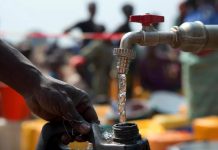
He also argued that the approach should focus on sustainable actions to improve access to drinking water, adequate sanitation and the promotion of individual and collective hygiene practices, fundamental in preventing disease transmission, reducing morbidity and mortality and protecting of populations.
“We must also strengthen risk communication and community engagement, including training communities to ensure community surveillance, the real-time exchange of information, advice and opinions between experts and community leaders and the population, to mitigate risk and prevent the disease”, he highlighted.
According to João Lourenço, it is crucial to strengthen epidemiological surveillance at all border points, to guarantee health security and reduce the transmission of the disease in the movement of people, goods and services between member countries.
He considered it essential to evaluate post-epidemic recovery actions in countries ravaged by the outbreak, strengthening their health systems, basic sanitation and other preventive measures against future threats.
In his speech he expressed solidarity with the countries affected by the devastating disease, as well as with the families who have lost loved ones and with those who are fighting against it in the affected sister countries.
He recognized the support provided by partners, namely the World Health Organization, the African Center for Disease Control and Prevention (CDC Africa) and UNICEF.
angop
For More News And Analysis About Angola Follow Africa-Press