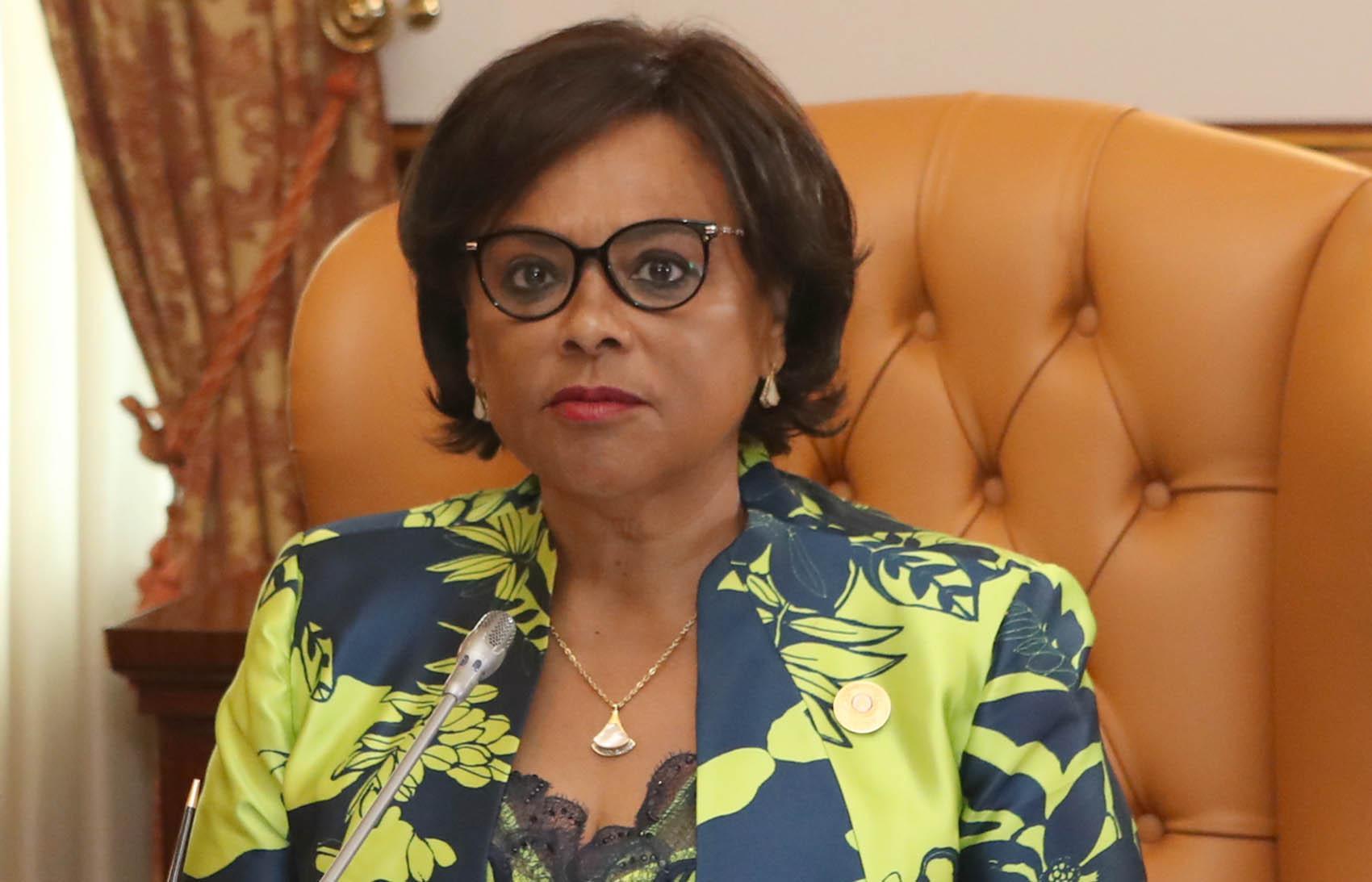
Africa-Press – Angola. The president of the National Assembly, Carolina Cerqueira, stated, this Thursday, in Luanda, that Rui Mingas’ work will endure in the collective memory of Angolans.
In a message of condolences for the death, this Wednesday, of the nationalist and artist, in Lisbon (Portugal), Carolina Cerqueira stated that Angola lost a good son, but his legacy remains in the annals of history and in the hearts of Angolans.
“Rui Mingas’ work will endure in our collective memory, where, as an undisputed musician, he was one of the authors of the National Anthem and songs such as Meninos do Huambo, Birin Birin and many other hits”, reads the message.
Carolina Cerqueira points to the need for Angolans to honor Rui Mingas with “freedom and unity, justice, work and peace and Angola in their hearts”.
“It was with great consternation that we learned of the physical death, in Lisbon, of the nationalist Rui Alberto Vieira Dias Rodrigues Mingas. Rui Mingas, as he was affectionately treated, embraced, from a very early age, the dream of an Angola free from colonial oppression. He was a man with multiple facets and whose career had a positive impact on the lives of Angolan women and men as a nationalist, politician, diplomat, sportsman and, above all, an icon of national culture”, highlighted the leader of the Angolan parliament.
The deceased was a member of the Angolan Parliamentary Community, having served as a deputy during the Fourth Legislature of the National Assembly, from 2017 to 2022, where he was a member of the Committee on Culture, Religious Affairs, Social Communication, Youth and Sports.
One of the authors of the lyrics of the National Anthem of Angola, together with the writer Manuel Rui Monteiro, Rui Mingas actively participated in the process that culminated in the independence of Angola, on November 11, 1975, at the end of almost five centuries of Portuguese colonization.
From his record work, the highlights are “Cantiga por Luciana”, “Poema da farra”, “Makezu”, “Muadiakimi”, “Birin birin”, “Monagambé”, “Adeus à hora da departure” and “Meninos do Huambo”.
For More News And Analysis About Angola Follow Africa-Press