Africa-Press – Angola. The release of prisoners recently granted amnesty or pardon should reduce, according to the expectations of the Attorney General’s Office, the prison population in Angola by around 10 percent, currently estimated at close to 25,000.
By Frederico Issuzo
The decrease in the penal population, spread across 40 penitentiary establishments, should be accompanied by a reduction in the procedural burden on criminal investigation bodies and courts, with the shelving of cases covered by the amnesty.
Without neglecting potential cases of recidivism, for some amnesty recipients, a relative reduction in expenses with prisoners is admitted, which currently cost the State almost USD 750,000/day, at the rate of USD 30 per inmate, according to official statistics.
The new Law, in force since December 23, 2022, annuls all crimes (common and military), punishable with a prison sentence of up to eight years, committed by Angolans or foreigners, between November 12, 2015 and November 11, 2022 In
this category of crimes, however, cases that have resulted in death or serious harm to the physical integrity of others, or even those that have resorted to a firearm, are excluded from pardon.
This is a pardon specifically dedicated to the 47th anniversary of National Independence, celebrated on November 11 of the year just ended, which basically renews the amnesty of the previous edition, which covered the period from 1975 to 2015.
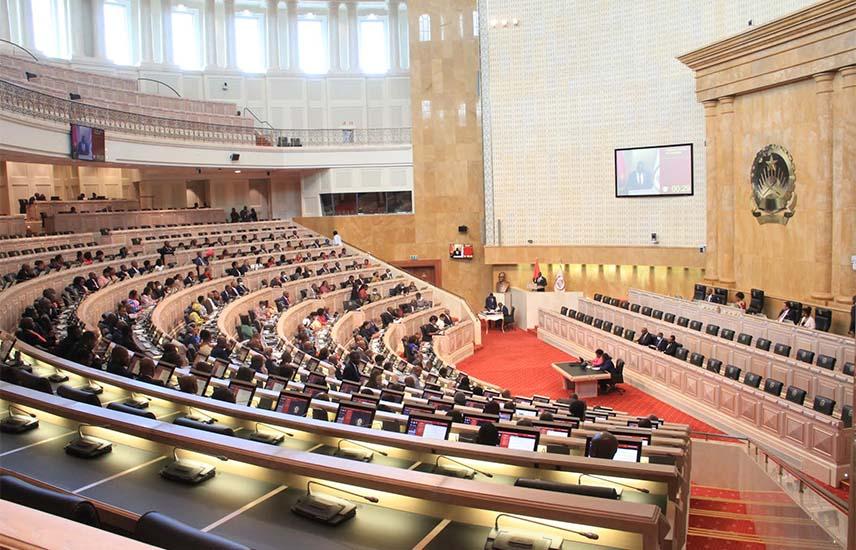
During approval by Parliament, the initiative was justified by the need to allow the commemoration of another anniversary of Independence to be reflected in the established social order, without excluding citizens deprived of liberty.
This legislative measure was accompanied by a presidential pardon, granted to 91 prisoners from the country’s 18 provinces, on the occasion of Christmas Day, the 25th of December, as “an opportunity for social and family reintegration”.
According to the presidential decree that identifies the 91 beneficiaries, the criteria for the remission of punishment were serving half the sentence, good behavior in jail and the absence of social danger resulting from the return to freedom.
Crimes excluded from amnesty
Despite the benefits for the citizens covered, before its approval by the National Assembly on December 15, 2022, the initiative generated some stir in Angolan society and a climate of suspicion on the part of skeptics, who saw it as yet another sign of retreat in the crusade against corruption and impunity in the country.
Contradicting the initial fears of the risk of pardoning the squanderers of the treasury, who are in the crosshairs or with accounts with the Justice, the new amnesty leaves out almost all of the so-called “economic crimes, or “white collar crimes”.
The final version of the document removed from the scope of its application a large portion of such crimes, even those covered by the maximum punishment limit of eight years in prison, with emphasis on corruption and embezzlement, in some modalities.
In the light of the Angolan Penal Code, crimes of an economic nature, included in the chapter of “Crimes committed in the exercise of public functions and with prejudice to public functions”, are punishable with sentences that vary between two and 16 years in prison, at its maximum limit. maximum, but they are all expressly excluded from the new amnesty.
For example, corruption and embezzlement have the highest limits, with 16 and 14 years of imprisonment respectively, but some of their modalities are punishable with maximum penalties of less than eight years of imprisonment.
Likewise, the limits for influence peddling, receiving undue advantages and economic participation in business vary between five and seven years in prison.
Other Exclusions
Also outside the amnesty are property crimes whose damages have not been repaired, as well as the extinction of civil and disciplinary liability arising from amnestyed facts.
As with crimes considered “non-scriptive”, under the terms of the Constitution and the law, repeat offenders and persons involved in more than one criminal offense at the same time are also excluded from pardon.
Forgery of documents and currency, tax fraud, fraud in obtaining credit, retention of currency, abuse of trust, undue receipt of advantages, economic participation in business, abuse of power and the terrorist financing.
Meanwhile, all assets seized in criminal proceedings covered by pardon are declared “lost to the State”, except those that must be returned to their legitimate owners.
Sexual crimes and sex trafficking in persons, as well as promoting and aiding illegal immigration, usurpation of property and vandalism, destruction or deprivation of public goods, are also exempt from the amnesty.
The proliferation of weapons of mass destruction, incitement to public disorder, popular uprising and against the realization of the State are still part of the excluded crimes.
Other crimes not contemplated are crimes against State security, which do not admit parole, environmental and mining crimes, trafficking in people, weapons and ammunition, and more serious narcotics and psychotropic substances.
According to the new legal text of seven chapters, perpetrators of crimes removed from the amnesty and who have already been convicted or indicted in pending cases, for facts that occurred during the amnesty period, benefit from a reduction of one quarter of their prison sentences.
In this regard, the PGR clarified that the benefits of the amnesty are not limited to prisoners in preventive detention or already convicted in court, but also cover processes still in the investigation phase, which, therefore, will be archived “to relieve” the Police of criminal investigation.
Incidences of the prison population
According to data from the Ministry of the Interior, the 40 existing prisons in the country are overcrowded with more than five thousand inmates in total.
The overcrowding of jails is attributed to the high number of detainees in pre-trial detention, which, due to procedural lengths, affects almost half of the penal population and, in many cases, outside the legal deadlines.
Crimes against property, including burglary, theft, embezzlement and breach of trust, represent the greatest cause of internment or the greatest number of incarcerations with about half of all prisoners across the country.
This is followed by crimes against the person, which include homicide, bodily harm or physical aggression, sexual violation, kidnapping and threats, among others, totaling close to nine thousand inmates, while the rest are responsible for crimes against peace of mind. and public order, in the classification prior to the current Penal Code.
The Viana Prison, in the country’s capital, houses the largest number of inmates, with more than four thousand, also mostly indicted in cases related to crimes against property.
Of the total number of people imprisoned in the country, more than 700 are foreigners, mostly from the Democratic Republic of Congo (DRC), as well as citizens of other countries such as China, Vietnam, Côte d’Ivoire, Equatorial Guinea, Guinea-Conakry, Mali, Namibia, Nigeria and Sao Tome and Principe.
Second amnesty in six years
With the new pardon of December 23, 2023, Angola entered its second general amnesty in six years.
The first was decreed on August 12, 2016, one year after the celebration of the 40th anniversary of national independence, for crimes punishable with prison sentences of up to 12 years, committed since November 11, 1975.
Like the new amnesty, the previous one also only covered crimes committed without violence that resulted in death and left out embezzlement, sexual violation, promotion and assistance to illegal immigration and trafficking in persons and organs of human beings, among others. others.
In 2010, the Constitution of the Republic of Angola (CRA) enshrined a special amnesty limited to military crimes and crimes against State security, as well as others related to them and those committed by military and security and internal order agents, within the scope of the conflict politico-military ended in 2002.
For More News And Analysis About Angola Follow Africa-Press