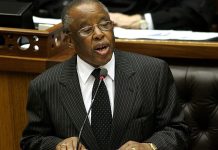
Africa-Press – Botswana. The Botswana Bars and Clubs Association has postponed its planned march to allow space for a high-level engagement with the Minister of Trade and Entrepreneurship, Tiroeaone Ntsime, as tensions continue to build within the country’s entertainment and hospitality sector. The decision reflects an effort to prioritise dialogue over public protest as stakeholders seek clarity on the reintroduction of extended liquor trading hours. The issue has sparked debate across the industry, with business owners expressing differing views on fairness, competition and regulation. At the centre of the discussion is how the policy will shape the future of nightlife and alcohol-related business operations in Botswana. The postponement signals a temporary pause in public demonstrations as negotiations take precedence.
The current dispute is driven by the reintroduction of extended trading hours, which allow selected establishments to operate until the early hours of the morning during peak periods. Government officials have presented the policy as part of a broader strategy to stimulate economic activity and support a more dynamic nightlife economy. The approach is linked to goals such as increased revenue generation, tourism growth and the development of a 24-hour economic model. However, industry stakeholders argue that the implementation creates inconsistencies that could disadvantage certain businesses. Concerns have been raised about unequal access to trading permissions and the potential distortion of competition within the sector.
Minister Tiroeaone Ntsime has maintained that extended trading hours are intended to strengthen economic opportunities within the hospitality and entertainment industries. The policy is positioned as a tool to attract more visitors, increase consumer spending and enhance Botswana’s competitiveness as a regional destination. Supporters of the initiative believe that flexible trading hours can help businesses maximise peak demand periods and expand job creation. However, critics within the industry argue that the benefits are not evenly distributed across all establishments. They caution that without clear and fair implementation guidelines, the policy could deepen existing inequalities among operators.
Botswana Bars and Clubs Association spokesperson Gilbert Seagile clarified that the association is not opposed to the concept of a 24-hour alcohol economy. Instead, he emphasised that their concern lies in ensuring fairness and inclusivity in how the policy is applied. Seagile stated that businesses must be given equal opportunity to participate under the same conditions to avoid unfair competitive advantages. He also pointed out that bars and clubs operate under different licensing requirements, which already place them in separate regulatory categories. According to him, any expansion of trading hours must take these structural differences into account to maintain balance in the industry.
Seagile further stressed the importance of involving industry stakeholders in the formulation of policies that directly affect their operations. He noted that meaningful consultation would help prevent misunderstandings and reduce tensions between government and business owners. The association’s position highlights the need for collaborative policymaking that reflects the realities of the entertainment sector. Stakeholders argue that without proper engagement, policies risk being implemented in ways that do not fully address operational challenges on the ground. This has become a key point of contention as discussions around extended trading hours continue.
The postponement of the planned march signals a willingness by the association to engage constructively with government authorities. It also reflects a broader desire within the industry to reach a solution that balances economic growth with fairness and regulatory consistency. The entertainment sector remains divided, but dialogue is now seen as a critical step toward resolving outstanding concerns. Both government and industry representatives are expected to explore possible adjustments that could address issues of equity and competitiveness. The outcome of these engagements will likely influence the future structure of Botswana’s nightlife economy.
The ongoing discussions around extended liquor trading hours highlight the complexity of balancing economic development with fair business practices. While government sees the policy as a pathway to growth and increased tourism, industry players are calling for a more inclusive and structured approach. The resolution of this matter will require careful negotiation and a shared understanding of sector dynamics. As engagement between stakeholders continues, the focus remains on finding a sustainable model that supports both economic expansion and fairness. The developments mark a critical moment for Botswana’s entertainment industry as it navigates regulatory change and evolving market demands.
For More News And Analysis About Botswana Follow Africa-Press