Africa-Press – Botswana. The process of consulting with the Group of Seven on how to successfully clamp down on Russian diamonds while not harming innocent producers such as Botswana, has been likened to handholding an elephant through a china shop. Diamond sector veteran, Martin Rapaport, used the analogy recently when discussing the steps the G7 is taking to stop Russian diamonds from entering its market.
“We have an elephant in a China shop. It’s a nice elephant and we are trying to show it how to walk around the shop,” he said in a webinar on the state of the diamond industry.
As early as April last year, De Beers, whose partnership with Botswana produces the world’s most diamonds by value, met with the US State Department, after picking up reports that tighter sanctions were due from the G7 against Moscow’s stones. At the time, De Beers’ executive vice president for diamond trading, Paul Rowley, revealed that the discussions were focused on ensuring that any further steps against Russian rough diamonds did not inadvertently affect production from countries such as Botswana or trade in areas that are not under sanction.
The possibility of unintended consequences seemed remote at the time, but in hindsight was highly probable. As Rapaport cautioned at the recent webinar, governments should not be expected to act outside of their interests.
Part of the tighter G7 action states that from September all polished diamonds should be routed through Antwerp for certification that the stones are not of Russian origin. The G7’s move, however, represents a swing back to Europe for global diamonds at a time when Africa and Botswana specifically is positioning itself as the centre of the global diamond industry. Government has said the move will involve back and forth to Antwerp, higher costs and logistical nightmares at a time when the industry is reeling from a downturn in demand that has depressed prices and rocked producers, polishers, jewellers and diamond-dependent economies such as Botswana.
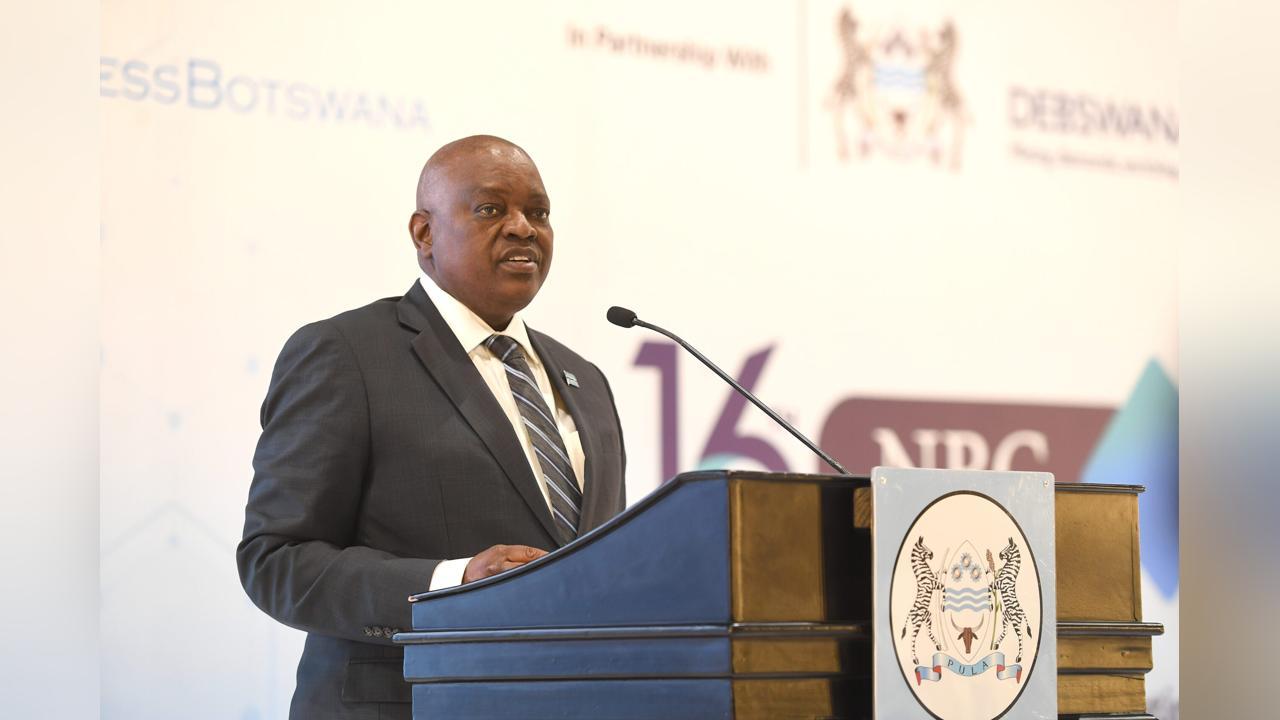
Of all the countries in Africa that could be negatively impacted by the Antwerp single node, Botswana is the most vulnerable as its economy relies mainly on diamonds for the bulk of foreign currency receipts and a healthy share of budget revenues. Senior officials from the Office of the President and the Ministry of Minerals and Energy recently hosted a technical team from the G7 which said it was in town to consult on the planned sanctions against Russia. The officials took the team to the world-famous mines and state-of-the art diamond cutting and polishing facilities in Gaborone, showcasing the world-leading certification and traceability systems that literally track even the smallest of stones from mine to finger. The officials showed and explained the importance of diamonds to Botswana’s development and how even the smallest and most fleeting of disruptions could harm critical sectors such as education, health and others. The bull was walked through the china shop, but the G7 team left without giving any assurances. Making his first public remarks on the situation recently, President Masisi, the country’s chief diplomat, struck a noticeably restrained note in outlining his engagement strategy.
“We are a small almost single commodity-based economy but we have diplomatic relations with all the G7 member states and as always with friends, you listen to one another and manage the risks for both. “So we will continue talking,” he said in Kasane last week. By comparison, last year, as negotiations for a new diamond deal with De Beers dragged on, Masisi moved towards the stick-end of the “carrot and stick” system of negotiating.
Clearly exasperated after five years of talks, the President adopted a firm posture in the top-secret talks, a position later publicly confirmed by members of government’s negotiation team as well as De Beers’ executives. “I refuse and I refuse on your behalf this agreement of slavery; we have to throw it away.
“Even if we are litigated against for it, we refuse because the truth is that the returns from these diamonds must be for Batswana.
“You cannot engage a shepherd for your cattle for his expertise and he says the cattle are his. He’s still a shepherd,” Masisi said at a traditional meeting in May. Known as “big stick diplomacy” the negotiating approach popularised by former US president, Theodore Roosevelt, involves “negotiating peacefully but also having strength in case things go wrong”. At face value the powerplay was balanced as De Beers is the most important economic actor in the country, but Botswana is equally De Beers’ most important economic entity at global level.
to page 09
Fresh off grinding out the historic deal with De Beers, President Mokgweetsi Masisi finds himself in yet another face-off, this time with an even bigger giant – the world’s superpowers. His initial comments on the issue show he’s digging deeper into his diplomatic arsenal, writes MBONGENI MGUNI
Source: Mmegi Online
For More News And Analysis About Botswana Follow Africa-Press