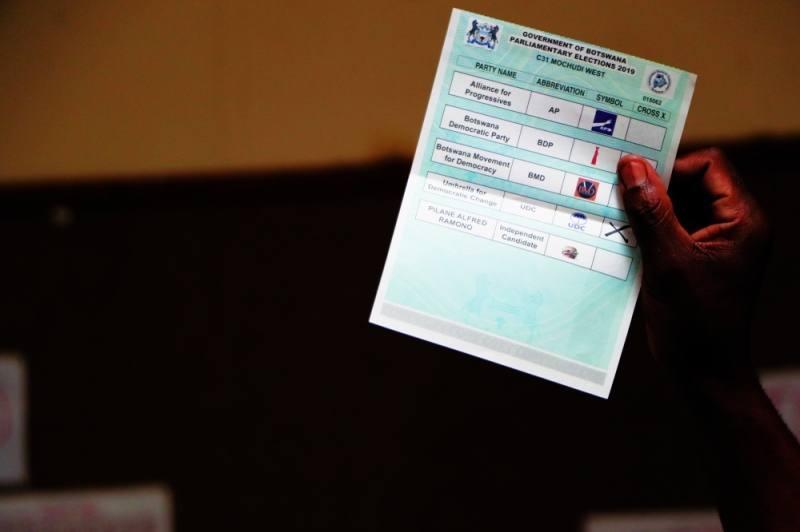
Africa-Press – Botswana. In recent years, there has been a worrying trend of voter apathy among the country’s youth. Young people who make up the majority of the population, are increasingly disengaged from the electoral and the democratic process. What is causing this shift, and what can be done to reverse it?
To find answers Reporter Thamani Shabani engaged some youth and community leaders and here is what they had to say.
“Voter registration is at an all-time low, and many young people are sluggish to participate in the political process,” says youth activist, Mr Benjamin Ntsima.
He said many youth felt their vote does not matter, and that the system was not designed to represent their interests. Another possibility, he explained, was that they felt disconnected from the political process, and believed their vote would not make any difference.
He, however, cautioned that by staying silent, they were missing an opportunity to shape the future of their country.
On other issues, Mr Ntsima called for the revival of the Youth Parliament which was established in 2003 to provide a platform for young people to voice their opinions and concerns about issues affecting their lives.
He explained that the Youth Parliament was able to raise awareness of important issues and promote youth empowerment, but it faced several challenges, including a lack of funding. “Some critics argue that the Youth Parliament failed to achieve its objectives and ultimately fell short of its potential. However, others believe it still has value as a forum for dialogue and engagement and that it could be revived to address youth apathy and disillusionment,” he said.
The youth activist suggested that increased civic education and outreach, increased representation of young people in the political and electoral process, and more meaningful engagement with youth on the issues that matter to them would help increase their participation in voting.
A champion of good governance and transparency, Ms Ludo Mosojane, said despite Botswana’s good democratic political system, many citizens felt they were not fully engaged in the processes thereby leading to voter apathy.
“While government may be democratically elected, citizens feel that their voices are not truly heard
It is important to find ways to engage citizens in the democratic process and ensure that they have a say in the decisions that affect their lives,” she said
Ms Mosojane, who is known for her work in the field of human rights and democracy, said people no longer trusted their elected representatives as they have observed that some often disappear after being voted into political office.
“They never have any relationship with you and it is no longer their responsibility when you encounter problems such as refuse collection, shortage of potable water or power blackouts,” she added
Given such many challenges, she said, many especially young people, turn around and ask themselves why they should register to vote.
She explained the frustration among the graduates saying they were fully aware that the government could generate employment for them but to no avail.
Ms Mosojane challenged the voters to negotiate with their representatives and have a contract with them, adding that crossing the floor by some politicians after being elected was another element that also contributed to voter apathy.
For his part, Mr Batungamile Phiri called for civic education among young people who do not have the will to participate in the electoral processes.
Mr Phiri said often, young people want their vote to translate into immediate monetary value since they were not employed.
“They feel no reason to employ someone into a political office when they are not employed. As such, they feel being used in the political process,” he said.
Meanwhile, the Principal Election Officer in Francistown, Ms Itumeleng Gabaake, expressed concern that the number of people who have registered in Francistown was significantly lower than expected.
Ms Gabaake said this was an issue of concern, as it may impact the overall electoral process and results.
According to Ms Gabaake, the electoral act was not that rigid as it allowed for voter registration transfer if seasons were valid enough. She was responding to concerns raised by some youth who had shared their fears of rejection regarding their eligibility for voter registration transfer based on the place of residence and reasons advanced.
This is an important feature of the electoral process, and one that should be promoted to encourage people to vote,” Ms Gabaake said.
Ms Gabaake appealed to disabled people to register. Only the deaf had been trickling in since the start of the registration.
Overall, she explained that the voting registration was moving at a smooth gear in all the polling stations in the Francistown polling district despite a few challenges encountered during the first days of the exercise.
dailynews
For More News And Analysis About Botswana Follow Africa-Press