Africa-Press – Cape verde. Cape Verdean scientist Maximiano Fernandes confirmed today the existence of a new schistosomiasis outbreak in Ribeira de Principal, in the municipality of São Miguel, indicating that the origin of the outbreak remains unknown.
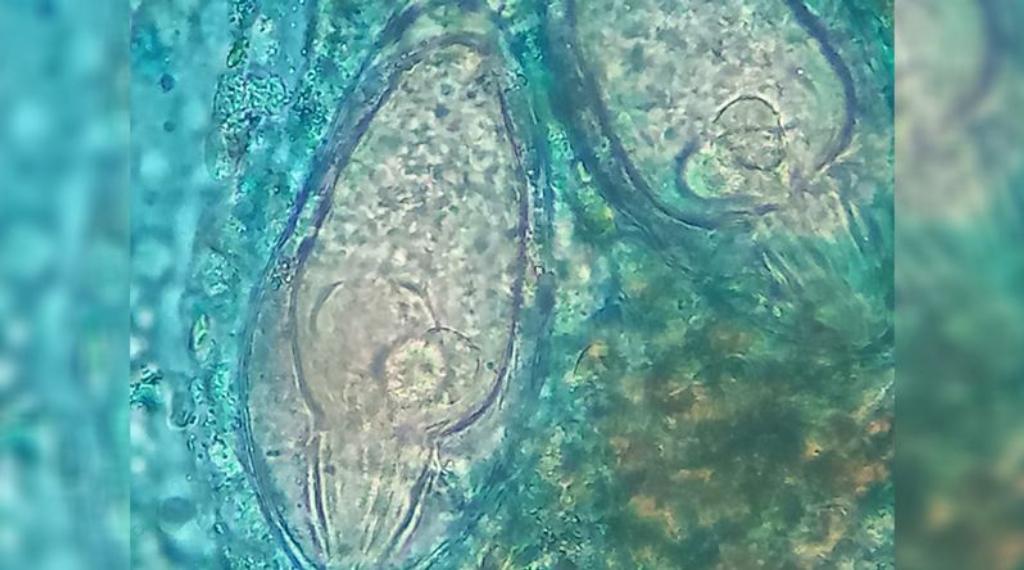
In an interview with Inforpress, the researcher from the Bioanalítica group stated that, although it is the same parasite species identified in the first outbreak, *Schistosoma haematobium*, the new cases did not have contact with the previously affected area.
“This is a new outbreak in Ribeira de Principal, which is far from the first river. Therefore, it is a mystery. We don’t know the origin of this outbreak,” he said.
According to the specialist, nine cases have been confirmed so far, all in children from the locality of Mato Dento, identified through an epidemiological survey.
“Through an infected child, we sought to understand, with an epidemiological survey, where they had been,” he explained.
The researcher also indicated that contaminated water reservoirs were detected containing snails of the genus *Bulinus*, hosts of the parasite, which can reach high densities and facilitate transmission.
“Control is very difficult because it depends on vectors that facilitate the transmission of the parasite,” stated Fernandes, who is also a university professor.
Schistosomiasis is an infection caused by parasites of the genus *Schistosoma*, usually acquired through contact with contaminated water. Symptoms include dermatitis, fever, chills, nausea, abdominal pain, and diarrhea.
Maximiano Fernandes urged the population to avoid contact with potentially contaminated water and to seek health services in case of exposure, for timely diagnosis and treatment.
The scientist emphasized that the identification of this second outbreak reinforces the need for continuous research and awareness campaigns to prevent new cases on the island of Santiago.
In February, the researcher had already warned that the Schistosoma haematobium parasite had completed its life cycle in Cape Verde, admitting the possibility of its introduction through imported cases from West African countries such as Senegal, Guinea-Bissau, and Gambia.
For More News And Analysis About Cape verde Follow Africa-Press