Africa-Press – Cape verde. International media reports indicate another death of a British tourist, allegedly linked to gastrointestinal problems after a stay on Sal Island, while the Ministry of Tourism and Transport reiterated that there are no abnormal changes in the epidemiological situation and admits the possibility of imported cases from Europe.
According to information released by foreign media, the most recent victim is a man in his 50s who stayed at a five-star hotel in Santa Maria, on Sal Island, where he developed health complications that ultimately led to his death.
With this case, the number of British tourists who have died in the last three years after holidays in the country, in situations associated with gastric problems, rises to at least seven, according to the same source.
In light of the international repercussions, the Ministry of Tourism and Transport publicly assured that the country continues to be a safe destination, highlighting the high standards of quality and public health, recognized internationally.
In a statement, the Government affirms that it is monitoring the situation with utmost seriousness, through an active epidemiological surveillance system and in coordination with health authorities and tourism operators.
The technical and scientific investigations carried out so far indicate that there is no evidence of any gastroenteritis outbreak on the islands of Sal and Boa Vista, with the registered cases considered sporadic and within the expected levels for this period.
Health authorities also assure that there are no registered deaths in the country associated with foodborne illnesses, namely Shigella. They add that the analyzed data do not point to any abnormal change in the epidemiological situation in Cape Verde.
Preliminary laboratory results from some samples collected as part of the investigations, conducted by national specialists with the support of technicians from the World Health Organization, raise the hypothesis that the bacteria may have been imported from European countries.
The Ministry reminds that foodborne gastrointestinal illnesses are common globally, including in Europe, where thousands of cases associated with agents such as Salmonella, Campylobacter, and Shigella are registered annually.
In the case of the latter, it states that it is not, as a rule, a fatal disease, and can only worsen in individuals with other serious pathologies.
Meanwhile, preventive and control measures have been reinforced, including sanitary inspection actions, monitoring of food quality, and awareness campaigns for tourism operators.
“To date, the authorities in Cape Verde have not detected any outbreaks or deaths from shigellosis in the country. Cape Verde is a safe tourist destination, with its paradisiacal beaches and imposing mountains, which has been attracting thousands and thousands of tourists from all over the world, with hotels completely full,” the statement reads.
It is worth highlighting that Portuguese tour operators assured on Monday, the 30th, that there is no need for “alarmism” regarding infections reported by the British press and that they have not registered a drop in bookings.
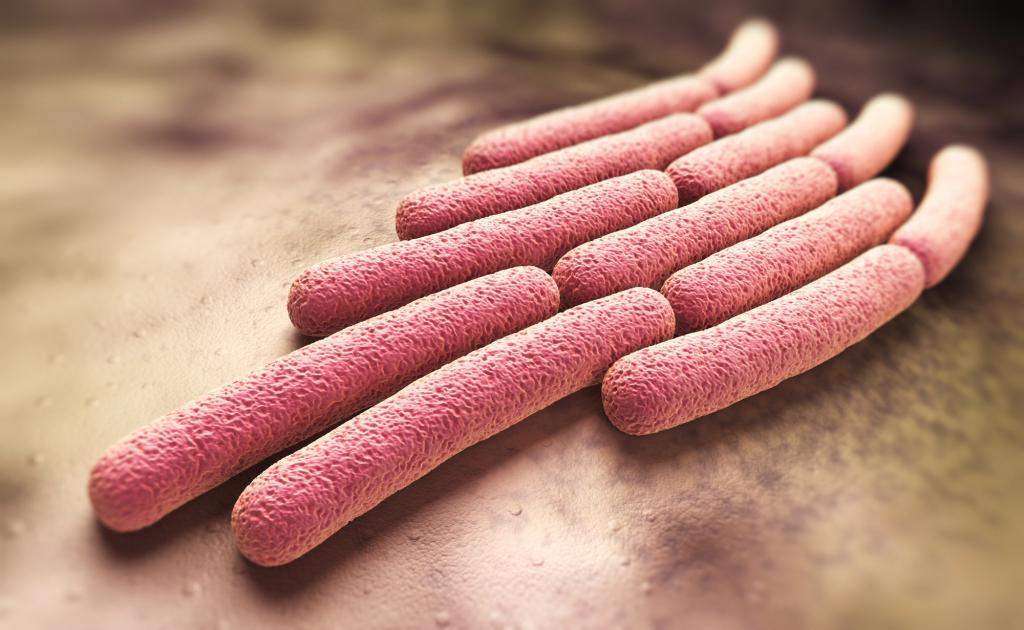
What is Shigella?
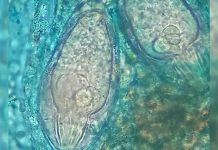
Shigellosis, caused by bacteria of the genus Shigella, is an intestinal infection that is mainly transmitted through the ingestion of contaminated water or food, or through direct contact with infected people, according to the World Health Organization.
The most common symptoms include diarrhea (often with blood or mucus), fever, abdominal pain, and nausea, which may appear between one and three days after exposure.
In most cases, the disease is self-limiting and resolves in a few days, but it can become serious in children, the elderly, or people with weakened immune systems, leading to severe dehydration.
Treatment is mainly based on the replacement of fluids and minerals, and, in more severe cases, antibiotics may be necessary, although the WHO warns of increasing antimicrobial resistance in some strains of the bacteria.
For More News And Analysis About Cape verde Follow Africa-Press