Africa-Press – Cape verde. The Cape Verdean economy has grown well in recent years, averaging 7% annually, with the government aiming to double its economic growth potential. The Minister of Finance acknowledged that the air and maritime transport sector fell short of expectations.
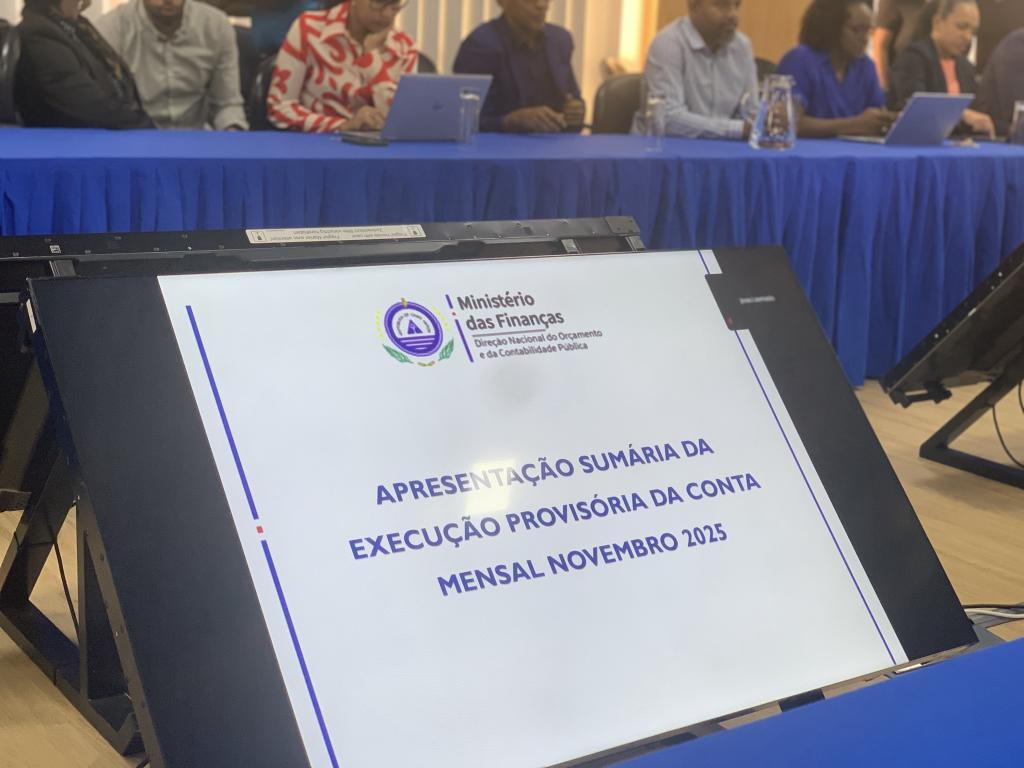
Olavo Correia made these statements at a press conference addressing the performance of budget execution and the closing of the fiscal year.
The governor began his assessment by pointing to the challenging international macroeconomic scenario for two fundamental reasons. First, the economic growth is now much more moderate than in recent years, around 3%, and second, access to the international financial market is now more restrictive, as well as the reduction in Official Development Assistance.
Nationally, he pointed to the decrease in the unemployment rate to 8% in 2024 and 7.5% in 2025.
Olavo Correia highlighted the “remarkable” progress in terms of reducing public debt as a percentage of GDP. At the peak of the pandemic, it was around 140% of GDP, “and today it’s heading towards 100% of GDP” and even below that value.
“This also has a lot to do with meeting the fiscal deficit as a percentage of GDP, which has decreased in recent years. We are on a trajectory with a deficit of 0.1% in recent years,” he stressed.
The Minister of Finance highlighted the evolution of GDP per capita, which went from around $3,600 in 2016 to over $5,000 in 2024. The government’s ambition for the next decade is to reach a GDP per capita level above $15,000.
In terms of indicators of quality of life for families, he highlighted the progress in reducing absolute poverty, which stood at 32% in 2016 and at 24% in 2024. He also noted progress in access to electricity, reaching 92% in 2024 and above 95% this year.
“We are moving towards universal access to energy. When, for example, we compare ourselves to the average of the African continent, we are talking about 50%. We are also moving towards universal access to drinking water,” assured Olavo Correia.
Looking at the macroeconomic picture, which extends from 2025 to 2026, he guaranteed that the government wants to see the economy grow between 5% and 7%. But with the implementation of reforms, starting in 2027, the aim is to reach double digits.
Regarding the budget surplus, he considered a fiscal deficit between 0% and 1%, with the possibility of building a framework of 0.4% of GDP for 2026.
Olavo Correia concluded that the macroeconomic picture is positive, but reminded that there are three challenges to be overcome.
The first has to do with the management of extreme weather events, a reality that is increasingly present in the country. The last two extreme weather events represent a global replacement cost of over 6 million contos, a “brutal impact on fiscal balance.”
“We have to build buffers, we have to create margins, we have to have leeway so that if any extreme weather event occurs, the government is in a position to intervene immediately without waiting for international charity,” he inquired.
The second important challenge we have to face has to do with reforms, which must be undertaken, especially in the air, sea, and land transport sectors. Another point of reform has to do with the energy transition, the circular economy, but also the building of a decarbonized economy by 2050. The goal is to rapidly achieve a 50% renewable energy implementation rate.
The last one is related to the digital transition. According to the Minister of Finance, it is fundamental to have a more digital, more dematerialized economy that functions more on a logic of interoperability. Therefore, he considered it necessary to invest in public digital infrastructures.
For More News And Analysis About Cape verde Follow Africa-Press