ANNA NISHINO
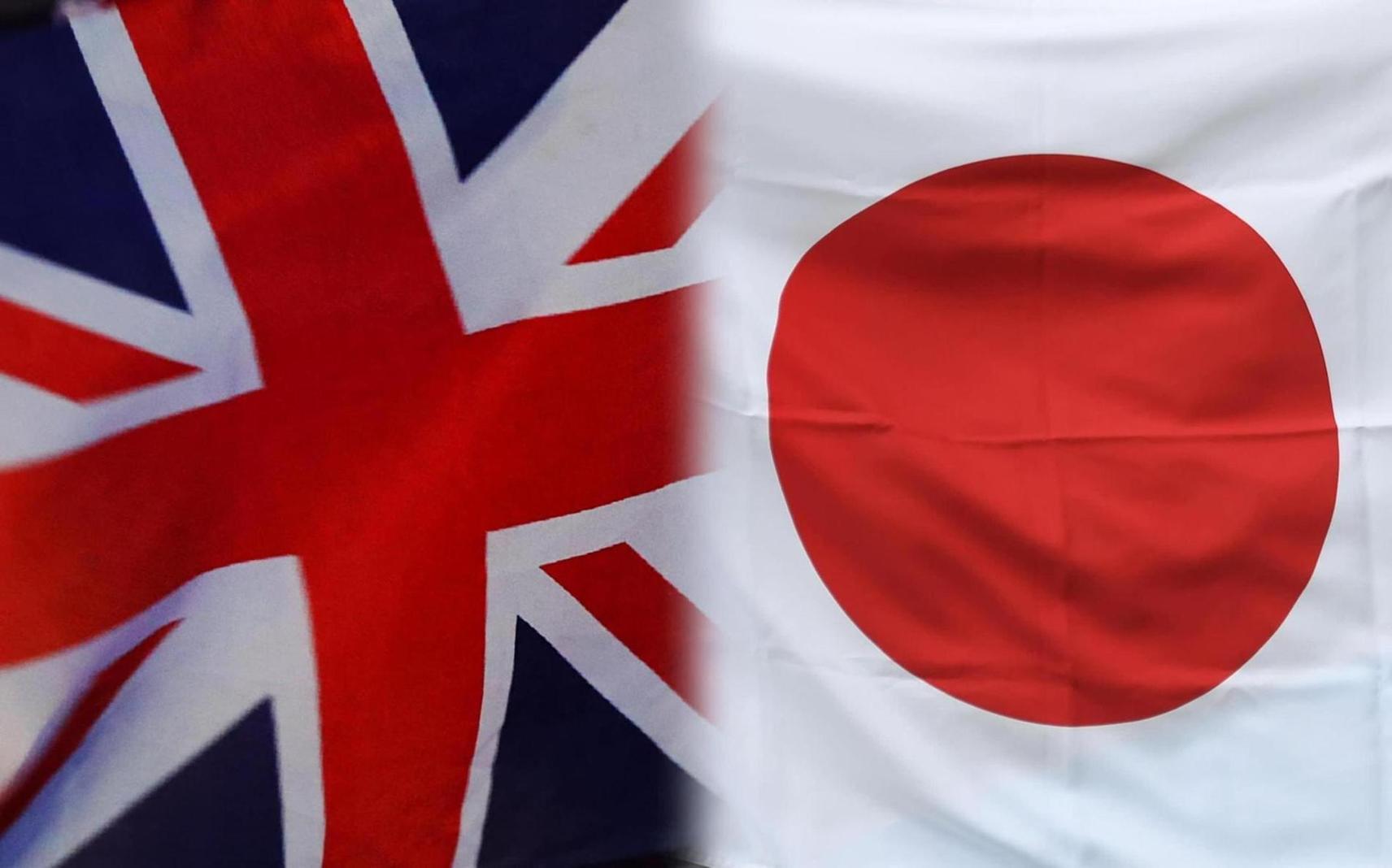
Africa-Press – Cape verde. Japan and the U.K. are set to make joint investments in critical minerals in such places as Africa and set up a framework for discussing economic security at the ministerial level, with supply chains on the agenda.
They aim to cooperate in developing mines — which generally requires dealing with high costs and risks — and to stabilize the supply of the minerals.
Yasutoshi Nishimura, Japan’s minister of economy, trade and industry, will visit the U.K. and meet on Wednesday with Kemi Badenoch, the British secretary of state for business and trade. The ministers are expected to issue a joint statement that includes the launch of the Japan-U.K. Strategic Economic and Trade Policy Dialogue.
This will establish a framework for the countries’ first regular ministerial talks on such economic security topics as strengthening supply chains. The ministers are expected to agree to draw up a joint document on critical minerals by year-end.
The move comes with the development of cobalt and nickel mines crucial to such environmentally friendly technologies as electric vehicles and wind power in mind. Japan now depends on certain countries, including China, for these minerals. Under the framework, Japan and the U.K. would search for mining sites and set up refining facilities in such mineral-rich areas as Africa to diversify their supply sources.
In Africa, Zambia is known for its production of copper and nickel, while Congo supplies about 70% of the world’s cobalt. Many countries are showing interest in Mali’s and Ghana’s abundant undeveloped areas.
The U.K. agreed with Zambia in August to aim for a total of 3 billion pounds ($3.77 billion) in public and private green investment. Separately, the U.K. and South Africa have agreed to hold a regular ministerial dialogue on critical minerals. Japan is working to strengthen relations with African nations as well, with Nishimura visiting five countries including Namibia in August.
Japan aims to pursue its interests in Africa by taking advantage of the network established there by the U.K., which has traditionally had relations with many of the continent’s countries through the Commonwealth.
Japan and the U.K. also aim to curb the growing Chinese influence in Africa, a continent of more than 50 nations that is important in the international political arena. China has been investing heavily in Africa for minerals and infrastructure.
Beyond minerals, Japan and the U.K. hope to establish an early-detection mechanism for shortages of such important goods as semiconductors and storage batteries. Creating a framework for ministers to share information in a timely manner would enable them to prepare for supply chain disruptions.
The two countries are also expected to affirm their stance on maintaining and strengthening the high standards of the Comprehensive and Progressive Agreement for Trans-Pacific Partnership trade pact, which the U.K. is in the process of joining. By doing so, Japan and the U.K. hope to show that China’s membership application will be strictly scrutinized. China, the world’s second-largest economy, has been accused of repeatedly abusing its power via economic coercion.
For More News And Analysis About Cape verde Follow Africa-Press