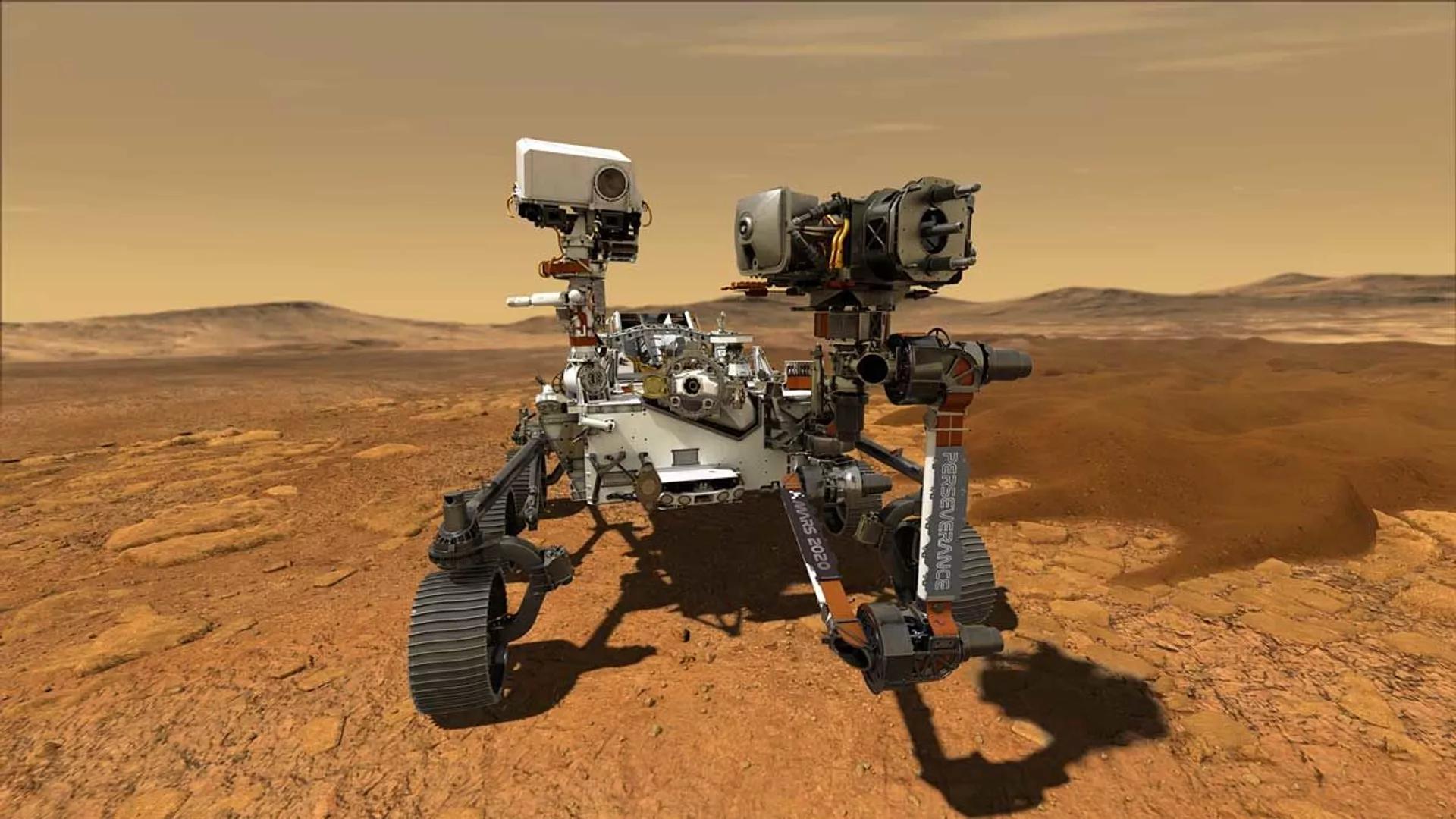
Africa-Press – Cape verde. There are millions of “dust devils” – swirling columns of wind – skimming the surface of Mars every day, with several rovers, such as NASA’s Perseverance, which landed in the Red Planet’s Jezero Crater on 18 February 2021, crossing their paths.
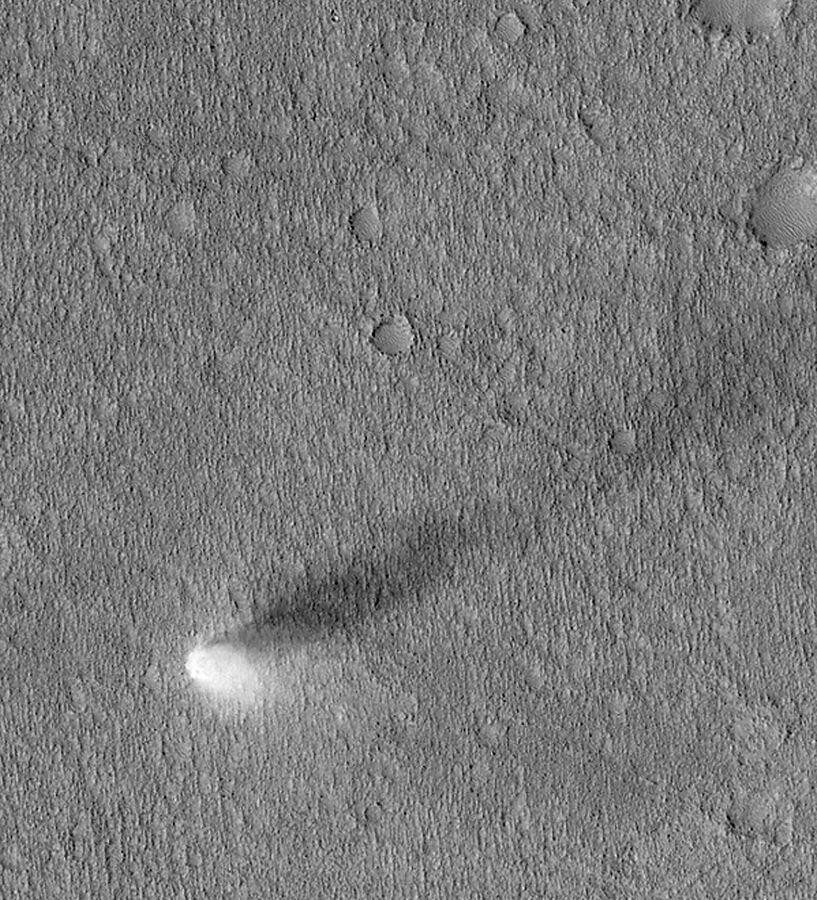
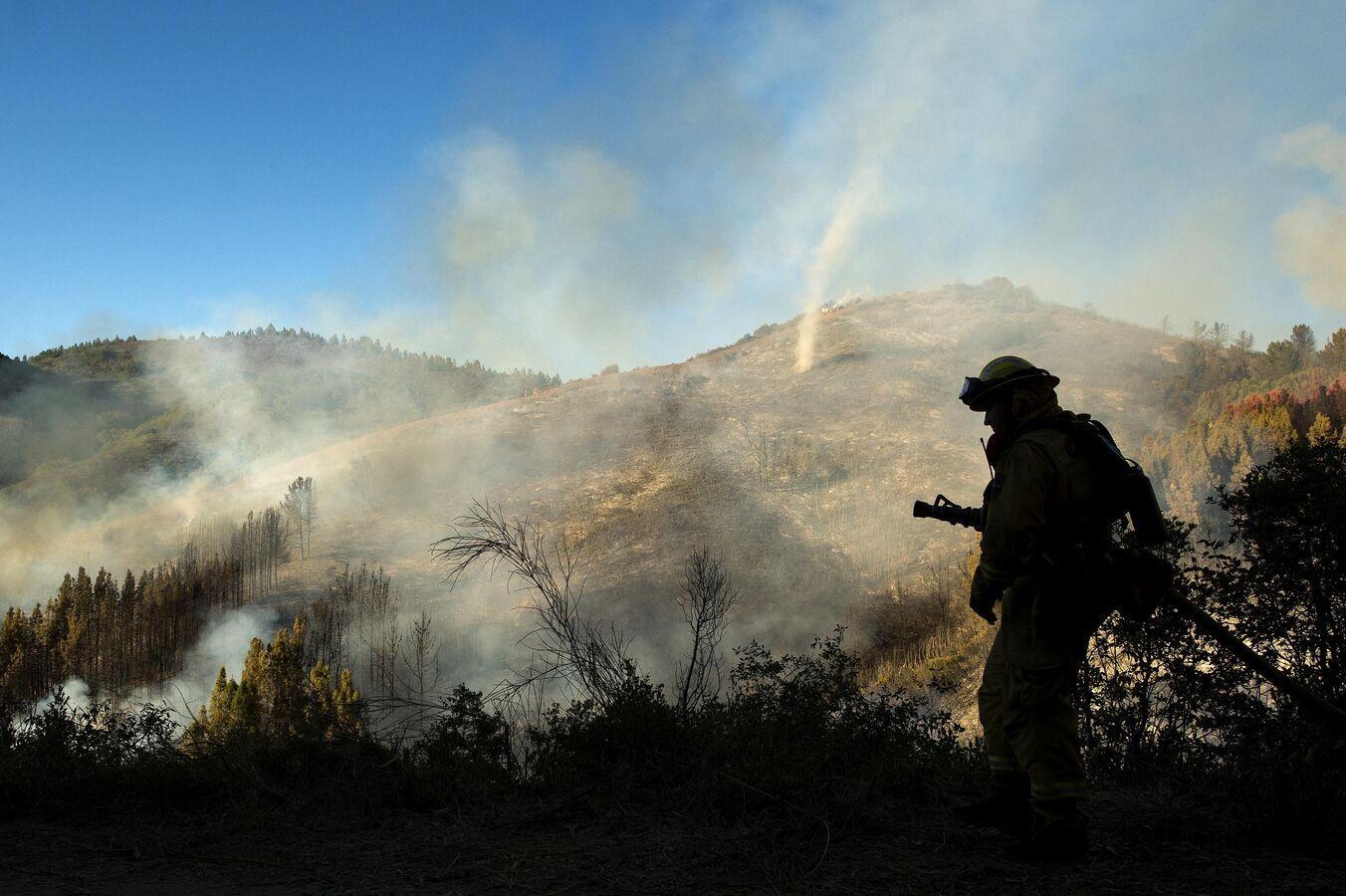
Dust devils – swirling, tornado-like wind phenomena that commonly occur across the world’s deserts – are no stranger to the surface of Mars. First detected by a NASA Mars Pathfinder lander in 1997, these twisting columns are plentiful on the Red Planet. But research led by Naomi Murdoch of Toulouse University, France, has revealed what they sound like.
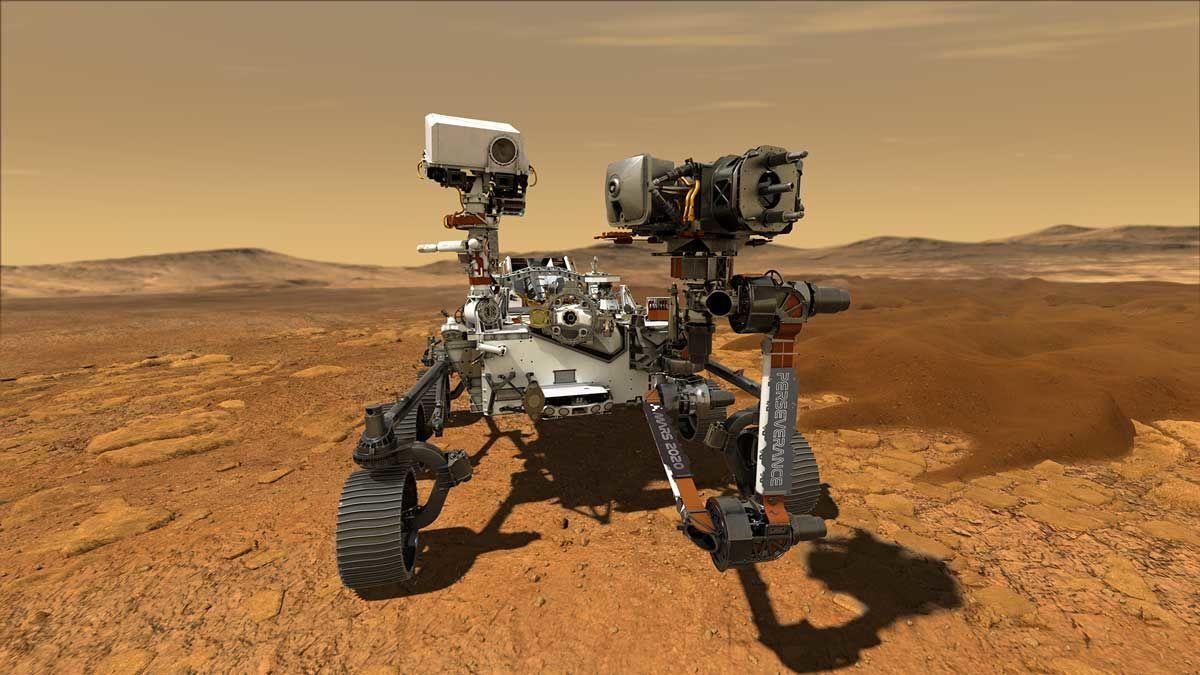
The Perseverance rover – the first spacecraft to carry a microphone to another planet – has recorded the sound of a 100-meter tall, dust grain-infused funnel just as it was skimming above it. Perseverance was built by the Jet Propulsion Laboratory and designed to explore the Jezero crater on Mars in the framework of NASA’s Mars 2020 mission. It was launched on 30 July 2020.
The rover has a masthead camera – SuperCam – that includes a microphone, and this enabled it to record the sound of the wind rising and falling as the vortex skittered by.
The reason dust devils were detected but not “heard” previously is because the rover’s microphone is only turned on for a few seconds approximately twice a week, revealed the study. Luckily, one such moment finally caught the sound on 27 September 2021.
Mars, which still bears visible traces of long-gone rivers and lakes, is now a barren, dusty landscape. The erosive power of dust devils had been a concern ever since they were detected as, unlike terrestrial ones, the Martian whirlwinds are much larger, often towering up to 8km. These funnels are formed when the ground becomes hotter than the air above it. Plumes of hot air rise through cooler denser air, and as they do so, suck in other warm air along the ground. The warm air begins spinning while moving forward, and picks up grains of dust along the way. One previous study discovered that a dust devil on Mars could move at a speed of 46m/s. Such whirlwinds could cause damage to equipment and are notorious for having destroyed NASA’s Opportunity rover in February 2019.
Murdoch explained that one of the major problems that scientists have faced when modelling the Martian climate has been attempting to predict phenomenon like “global dust storms.”
One can listen to the audio from Perseverance to get a better impression of what those Martian-style dust devils are all about.
For More News And Analysis About Cape verde Follow Africa-Press