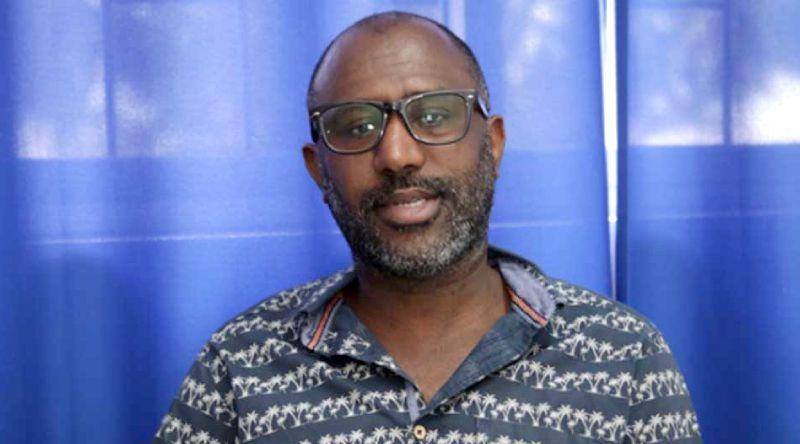
Africa-Press – Cape verde. Sociologist Paulino Moniz today drew attention to some ways of celebrating Father’s Day in schools that can cause “genuine suffering” to children without a father figure, calling for more inclusive models that are sensitive to family diversity.
In an interview with Inforpress, in the context of Father’s Day celebrated today, the member of the board of the White Ribbon Network of Cape Verde also drew attention to common practices in schools, such as requesting essays or tributes to fathers, which can emotionally expose children in more fragile family contexts.
“Sometimes, in schools, children are asked to write an essay for their father. It’s work, but often a child who doesn’t have a father, doesn’t have a father’s name on their birth certificate, or a child whose father has a negative role in their life, is sometimes asked to invent, to pretend,” he exemplified.
Similarly, Paulino Moniz stated that when organizing meetings with parents, it is fundamental to include not only the father, but also mothers, uncles, grandparents, or other reference figures, ensuring that each child can participate accompanied and preventing those without a father’s presence from feeling excluded.
“The challenge is for institutions to start thinking about, perhaps, models of reflection, models of activity that would affect children less,” he argued, for whom Father’s Day should be, above all, a moment of reflection on the exercise of fatherhood and the role of men in society.
Paulino Moniz emphasized that Father’s Day is a holy day, the day of Saint Joseph, who in biblical history is the father figure of Jesus Christ.
“But he is not a biological father. He is a social father, and historically, if we look at the context of the time, no man would have accepted Jesus Christ under the conditions in which he was born. But Saint Joseph confronted all of society, accepted his son, and made him become one of the best sons of humanity,” he explained.
Therefore, he emphasized that as men and Christians, it is “important” to reflect on how we are assuming fatherhood, not only in relation to biological children, but also to those whom life entrusts, through the figure of the social father.
In his perspective, grandparents, uncles, godfathers, neighbors, teachers, or stepfathers can play this role, contributing to the education and protection of children.
He assured that the White Ribbon Network of Cape Verde has been working to raise awareness about the importance of fatherhood in Cape Verde, which in recent years, as he observed, has seen positive changes, with greater participation of fathers in school meetings, household chores, and childcare.
However, he lamented that approximately 50% of fathers still do not spend time with their children, which limits their emotional and educational presence, also highlighting that marital conflicts and domestic violence directly impact the psychological and emotional development of children.
Father’s Day is a commemorative date that honors fathers annually, and the date varies according to the country.
For More News And Analysis About Cape verde Follow Africa-Press