What You Need to Know
Farmers worldwide are grappling with fertilizer shortages and rising costs due to the war in Iran, which has disrupted shipments through the Strait of Hormuz. This situation threatens food prices and farmers’ livelihoods, particularly in developing countries like Kenya, where access to government-subsidized fertilizer is becoming increasingly difficult.
Africa-Press – Eritrea. Farmers around the world are facing fertilizer shortages and rising costs due to supply disruption caused by the war in Iran, which could make food more expensive later this year.
The war has almost halted shipments through the Strait of Hormuz, a narrow passage off Iran that handles about a fifth of the world’s oil and nearly a third of global fertilizer trade.
Rising natural gas prices, a key ingredient, are also pushing fertilizer costs higher just as planting season starts across the Northern Hemisphere.
Experts say the effect on food prices isn’t straightforward.
Most costs come after crops leave the farm, and higher fuel prices ripple through processing, transport and delivery.
The poorest farmers in developing countries are likely to feel the squeeze first, threatening harvests and livelihoods.
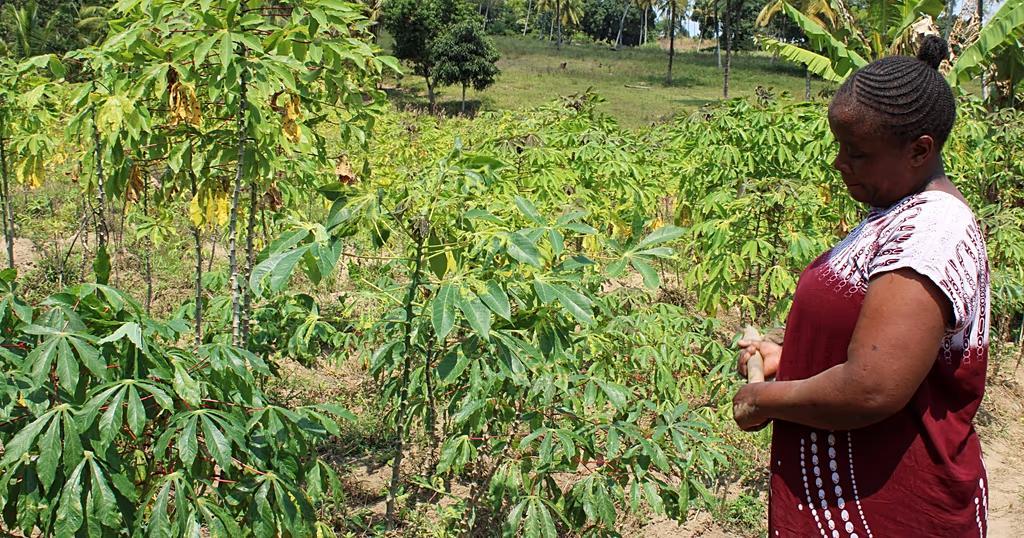
Kenyan farmer Elizabeth Wangui said there are now queues to collect fertilizer at the agrovet, a business that supplies products like fertilizer to farmers at government-subsidised prices.
“That government fertilizer is hard to find at the moment. They have to call you when it is available and when they call you, for instance I went to collect last week and had to be there by 07:00 AM to secure at least a bag,” she told The Associated Press on Wednesday.
Less reliance on imported fertilizers could offer a temporary solution.
Stephen Njenga, a Kenyan trader who sells fertilizer said he had “resorted to selling organic fertilizer, which is more affordable to people.”
In sub-Saharan Africa, countries like Somalia and Kenya rely on Gulf fertilizer imports, and reduced supply could raise costs just as planting season begins, said Carl Skau, deputy executive director of the World Food Program.
“In the worst case, this means lower yields and crop failures next season. In the best case, higher input costs will be included in food prices next year,” he said.
The Strait of Hormuz is a critical maritime route for global oil and fertilizer trade, and disruptions here can have widespread implications. The ongoing conflict in Iran has led to significant supply chain issues, affecting not only oil prices but also the availability of fertilizers essential for agriculture. As planting season approaches in the Northern Hemisphere, the impact on food production and prices is becoming a pressing concern, particularly for farmers in developing nations who are most vulnerable to these changes.