Africa-Press – Eswatini. The Food and Agriculture Organisation (FAO) has forecasted a decrease in import requirements for the years 2022/23.
According to a report released this month by FAO cereal import requirements, mostly maize, rice and wheat, are forecast at a below-average level of 180 000 tonnes in the 2022/23 marketing year (May/April).
The low import needs according to the report reflect the large domestic outturn of maize, while imports of rice and wheat, which are produced in negligible volumes in the country, are forecast at average levels.
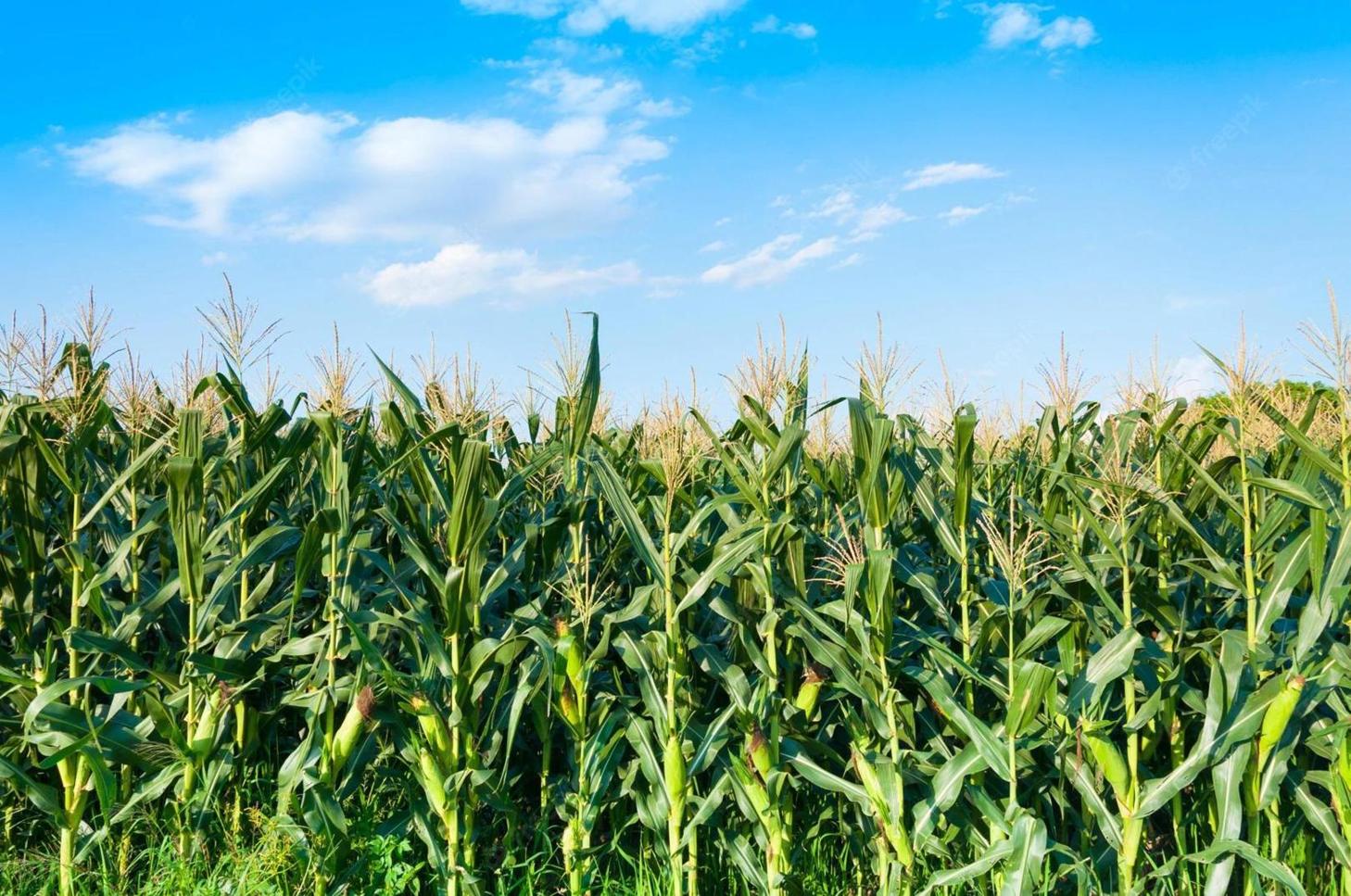
The report mentions that harvesting of the 2022 main season cereal crops, almost entirely consisting of maize, concluded in June. It was stated that a total cereal production is estimated at 127 000 tonnes, 30 per cent above the previous five-year average. It was stated that the bulk of this production was concentrated in the Manzini Region.
It was also disclosed that the large output results from an above-average area planted with maize, estimated at 75 000 hectares, almost 45 per cent more than the short-term average. It was further explained that cereal crops benefited from mostly favourable weather conditions and the average national maize yield was estimated at a near-average level.
“However, dry spells in February and delays in the disruption of some farm inputs under the government’s input subsidy programme, resulted in low yields in localised areas, curbing overall crop productivity,” reads the report.
Maize prices at higher year-on-year levels, wheat prices at record highs
Prices of maize meal, the key food staple, increased in the first five months of this year, in May, they were three per cent higher on a yearly basis.
The higher prices principally reflect trends in South Africa, the country’s main supplier of grains.
Although maize grain prices in South Africa remained elevated as of early August, they have decreased since June and in combination with the large maize harvest this year and reduced import needs, pressure on domestic maize prices could ease.
Wheat flour prices were at record highs in May.
This mainly reflects the elevated global prices and the country’s high dependence on imported wheat to satisfy national consumption needs.
Food insecurity numbers lower year on year in 2022/23
According to the latest IPC acute food insecurity analysis (July) about 259 000 people between October and March 2023 are projected to face IPC Phase three (crisis) and above levels of food insecurity.
This figure according to the report is 20 per cent lower than the estimate in the same period in 2021/22, owing to the overall positive impact of the large domestic cereal production on rural households’ food supplies and incomes.
It was stated that however, the food insecure number still includes populations in IPC Phase four (emergency), who are likely to face large food consumption gaps and forced to adopt emergency coping strategies.
“The high prices of essential food products and fuel, and the impact of localised crop losses caused by weather shocks, are the main drivers of food insecurity in 2022/23,” reads part of the report.
For More News And Analysis About Eswatini Follow Africa-Press