Africa-Press – Eswatini. I recently read a joke about how if Moses were to part the modern day Red Sea, he would have had to ask God for another miracle to part the plastic waste at the bottom of the sea, as well, for the Israelites to pass.
I could not even laugh at this joke because this, unfortunately, is highly possible.
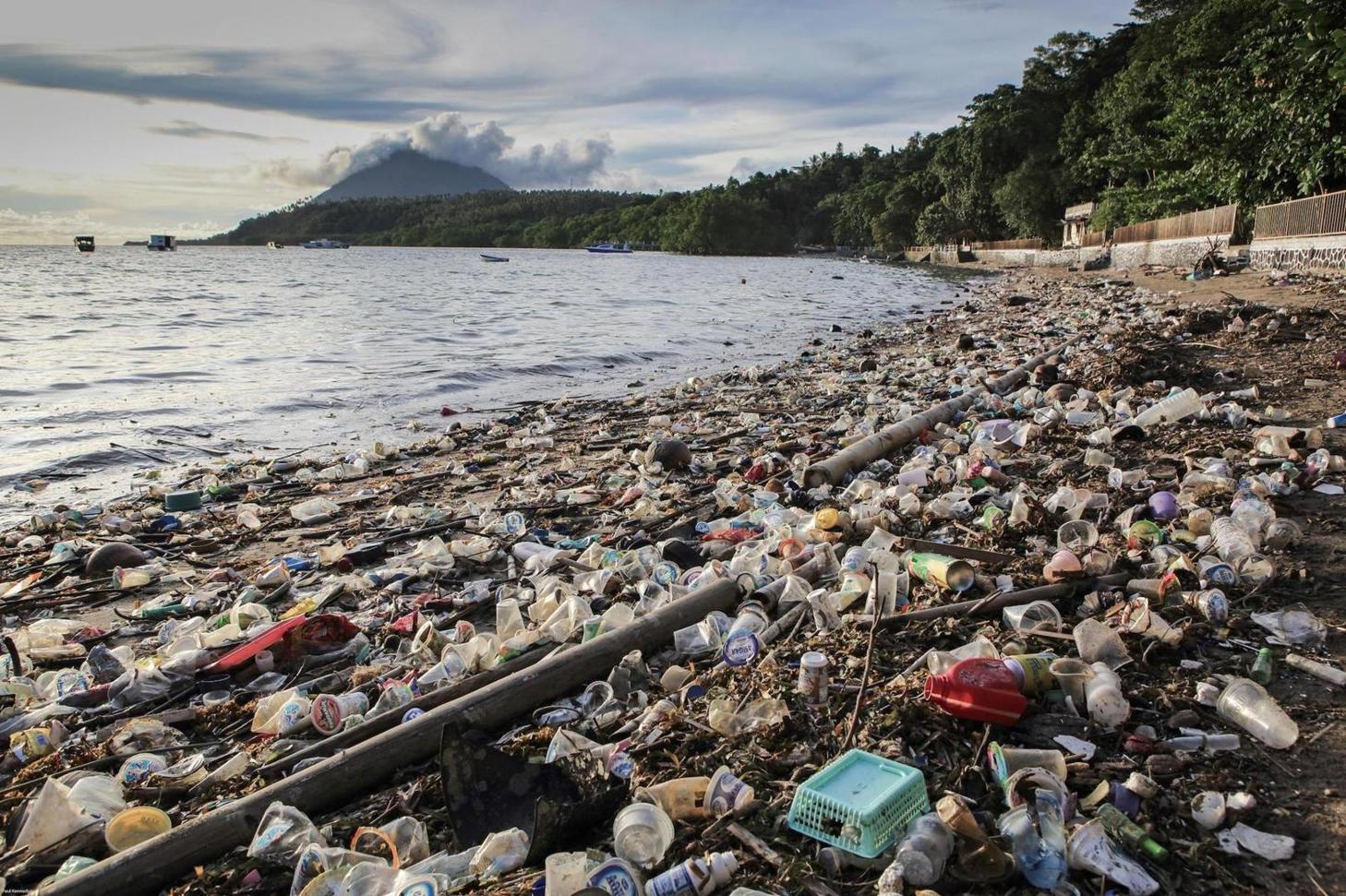
Anecdotal evidence posits that plastic waste in our oceans and seas is becoming a big problem, that affects wildlife, ecosystems and people. According to the United Nations Environment Programme, every minute, the equivalent of one garbage truck of plastic is dumped into our oceans.
This shows how serious this problem is. Efforts are being made in Eswatini and other parts of the world to reduce this problem. One can only hope that one day these will be enough to clean up our seas and oceans.
‘Phatsa sakho nawe’
The ‘Phatsa sakho nawe’ campaign by the Eswatini Environment Authority was launched in November 2020 to reduce the single use of plastic bags by shoppers in the country.
At first the campaign was carried out in partnership with a few major retail outlets in the country, where plastic bags were not distributed to shoppers on weekends and other days of the week.
I remember at first some of us resorted to only shopping on the days when plastic bags were distributed.
However, with time the campaign went on to all the other days of the week and our shopping schedules went back to normal. By this time, we had accepted that we either had to carry our own plastic or cotton bags to carry our groceries, as per the campaign, or we resigned to buying the plastic bags from those outlets that still distribute them at a small fee.
I would assume that this has had a positive impact on the profits for the retail outlets, as I assume they are saving money from not having to give away free plastic bags to shoppers. Furthermore, the quality of plastic to be used was changed with emphasis on using paper bags instead.
However, I wonder how much impact it has had on the amount of plastic waste in the country. It has definitely reduced the amount of plastic bags in the ‘plastic drawer’ in my kitchen, but I guess we have to wait for research findings with statistics, to know for sure if the amount of plastic waste in the country has actually been reduced by this campaign.
Reusing and recycling
There are however other measures that are taken by individuals at household level to reduce the amount of plastic waste in the country. I remember reading one meme that said ‘as an African I cannot be accused of being involved in increasing plastic pollution on the environment.
My plastic bags are stashed away somewhere in my kitchen drawer waiting to be used again. I will not get rid of a plastic bag unless it has been ruined to the point of no redemption’. Now this I was able to laugh at because I also have that ‘plastic drawer’ in my kitchen. It even makes me feel proud because reusing plastic bags, or any other plastic container, is one way of reducing plastic waste.
In Eswatini, some people recycle plastic bags to make other products which can be of great use. For instance, my late mother used to make beautiful plastic mats from plastic bags. This way there was very little plastic waste in my household.
We used some of these mats in our home. She would also either sell them to people who asked to buy them, or give the mats away as presents to her friends and extended family members. Other people also make artistic ornaments from these to sell and make a living. Furthermore, the country has a few recycle centres where plastic waste can be taken to for recycling. Some of these even collect the waste from people’s homes, when requested.
Practices in other parts of the world
Looking through literature I came across several practices from other parts of the world. However, I was particularly interested in two that would also make economic sense to me as ‘the average person on the street’.
The first one, which I also had a chance to experience when I was in Germany, many moons ago, was the use of Incentivised Reverse Vending (IRV).
According to meetingoftheminds.org this practice “succeeds in stopping plastic bottle pollution and is gaining attention around the world. When mandated by container deposit laws, reverse vending machines offer a convenient way for consumers to return their bottles and claim deposit refunds.
Voluntary reverse vending programmes, led by non-profit, public and private-sector groups, are also beginning to spring up in diverse locations. Incentivised by cash refunds (London, U.K.), prizes (Abu Dhabi), metro transit tickets (Istanbul, Turkey), or paid telephone cards (Kuala Lumpur, Malaysia), consumers willingly return their empty bottles to collection machines. Fewer PET bottles are littered and a cleaner stream of material for recycling is created.”
The second one, which I would like to experience in Eswatini is the introduction of water refill stations.
This was also highlighted by meetingoftheminds.org as a very effective strategy in cutting down the plastic beverage bottle pollution. They argue that “public water refill stations are key to decreasing single use plastic water bottle consumption. Cities and their water agencies benefit from installing water refill stations which offer a filling function in addition to a drinking fountain.
People are provided with free sources of high-quality drinking water and plastic waste is reduced.”
I personally would be very happy to just go to a vending machine to deposit plastic bottles for a few Emalangeni.
It also goes without saying that I would love get a free refill of quality mineral water, rather than having to buy and get another plastic water bottle.
This therefore is me throwing this out there to say if someone out there is keen on these ideas and is in a position to implement them, please go ahead and bring these into Eswatini. Not only would they gain me as their number one fan, but they would also reduce the amount of plastic a modern day Moses would have to part to cross the Red Sea.
For More News And Analysis About Eswatini Follow Africa-Press