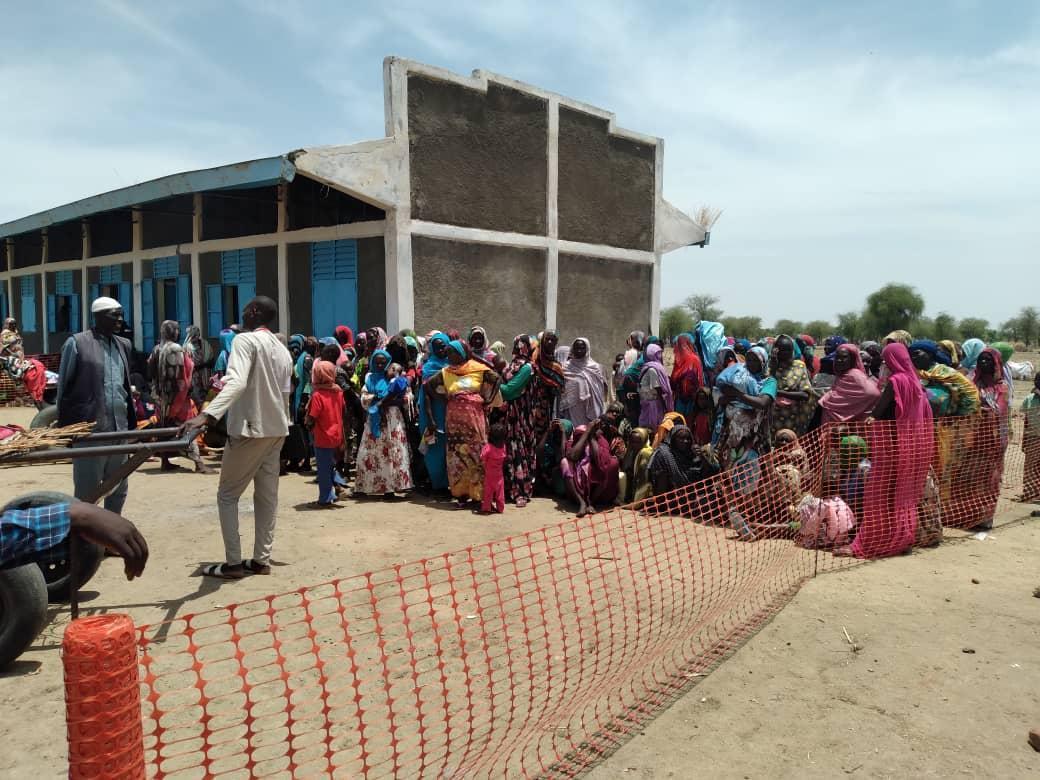
Africa-Press – Eswatini. A humanitarian organization has been compelled to disclose instances of sexual exploitation and abuse by local and foreign staff operating in Chad along the Sudanese border, targeting underage girls and involving the exchange of food and jobs for sex.
The organization reported 59 violations and stated that 18 employees were dismissed and barred from working with the organization.
An investigation into the violations was initiated following reports from a local source indicating that women accused staff members of sexual exploitation in displacement sites in Chad, where hundreds of thousands have fled the devastating war in Sudan, now entering its fourth year.
The local source revealed cases in Chad in 2024, including women who claimed that individuals from humanitarian organizations and local security forces, who were supposed to protect them, offered assistance or jobs in exchange for sex.
The organization added that the findings from its investigation indicated that the violations were more widespread than previously reported.
The misconduct ranged from sexual harassment and exploitation to organized sexual trafficking.
Details of the Violations
The organization noted that the investigation included several cases of sexual exploitation of refugees in exchange for food, water, and milk. It also documented instances of sex for jobs and the exploitation of refugees in prostitution, including underage girls. There were reports of activities within a refugee camp where staff were seen seeking out girls, prompting local community leaders to impose curfews to prevent young girls from “visiting” the organization’s staff.
In one incident mentioned in the report, seven refugee girls, allegedly hired as daily wage workers, were placed inside a vehicle belonging to the organization and were told they were going to water distribution and construction sites. However, the girls were taken to a different location and “subjected” to sexual abuse.
Additionally, the investigation concluded that some Chadian female employees were threatened with job loss if they refused to engage in sexual activities with supervisors or colleagues.
The organization indicated that the findings likely reveal only a small part of the problem, as many women were hesitant to speak openly.
In focus group discussions conducted by investigators, women stated that they often chose silence for fear that it would jeopardize their access to care. Some mentioned that they were unaware of their rights to speak out or provide feedback.
Staff members from the organization and community leaders told investigators that they feared reporting the violations due to concerns about losing their jobs or assistance.
These incidents highlight one of the most severe forms of abuse in displacement environments, where individuals from an organization that is supposed to be a refuge for protection and care become parties exploiting the vulnerabilities and basic needs of refugees.
The exchange of food, water, safety, and job opportunities for sex represents not just individual transgressions but a moral collapse that strikes at the core of humanitarian work, especially when the victims are refugees fleeing war and underage girls who have already lost the most basic elements of protection.
At a time when humanitarian organizations are expected to uphold human dignity, such practices raise serious questions about oversight and accountability mechanisms within institutions operating in refugee camps.