Africa-Press – Eswatini. With the national elections nominations set for this weekend, corruption and sexual offences and domestic violence convicts with high hopes of being part of the 12th Parliament will have to hold their horses during the 2023 general elections.
In terms of the Elections Act of 2013, which Elections and Boundaries Commission (EBC) Communications Officer, Mbonisi Bhembe, confirmed would be adhered to the letter when conducting nominations this weekend, precisely prohibits nomination of a candidate where they have been convicted under the Prevention of Corruption Act (2006), Prevention of Organised Crime Act, the Sexual Offences and Domestic Violence Act, 2013 and any other offence listed under the fourth and fifth schedules of the Criminal Procedure and Evidence Act.
However, it has been clarified that provided that if five years or more had elapsed since the termination of the sentence of imprisonment, the paragraph which speaks to conviction shall not apply.
The Act states that a candidate shall not be nominated for election for more than one umphakatsi or recognisable community or in more than one Inkhundla.
The legislation goes on to prohibit nomination of a candidate while still a member of the House of Assembly, Indvuna Yenkhundla or Bucopho.
Members of the 11th Parliament were dismissed by His Majesty King Mswati III at Sibaya last week.
The law also stipulates that on the day of nomination, the returning officer shall attend to receive nominations of candidates for election.
It has also been stated that the number of candidates nominated shall not be less than three and not more than 20.
“The nomination of candidates for the respective elections shall be endorsed with the consent of the candidate for nomination and supported by at least 10 registered voters,” reads the legislation in part.
It was further stated that the fact the name of a supporter of a candidate was struck off the voters list subsequent to nomination should not invalidate the nomination of the candidate.
It has also been stated that nomination of a candidate shall be made on the approved Form No. 2, which shall be delivered to the returning officer.
“A candidate shall at the time of his nomination deliver to the returning officer a declaration on oath in the approved Form No. 3 as to the qualification of that candidate to be elected and also that the candidate is not disqualified from being so elected,” it was stated.
It was added that following nomination, a candidate shall present himself to the police for the purpose of getting a clearance certificate which should be delivered to the returning officer.
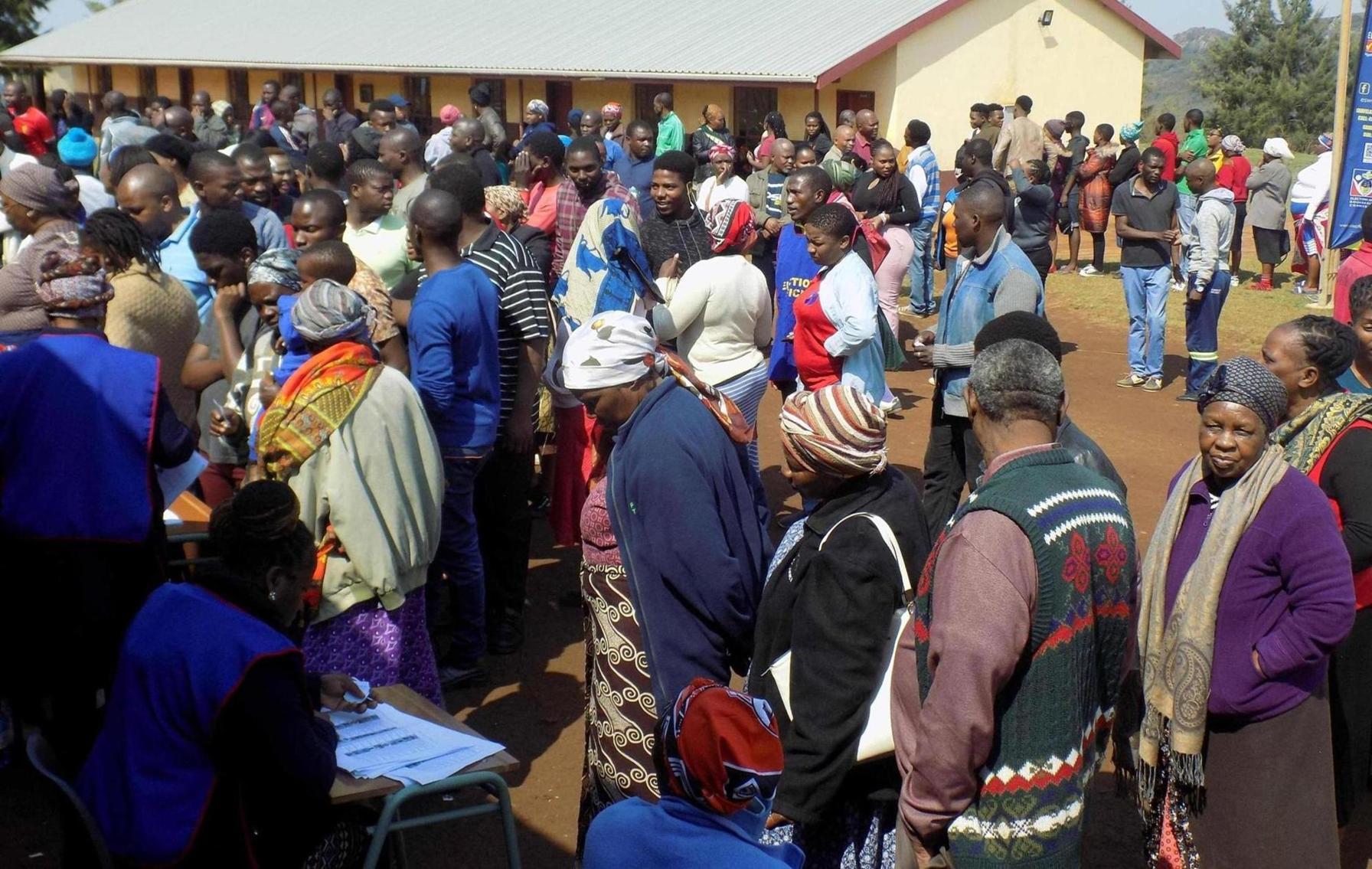
The nomination stage, where voters will decide on their next political representatives, will be held over a period of two days being Saturday and Sunday.
Voting
When the people have decided who their representatives are, EBC will then conduct the first tranche of voting, called special voting reserved specifically for people who may not be in a position to cast their vote on the actual day of voting, such as election officers and others.
All registered eligible voters will cast their votes on August 26 during primary elections.
After the primary elections, where Bucopho get elected, Constituency Headman (Indvuna Yenkhundla) and MP candidates, who succeeded during the first stage of elections, will be allowed to start campaigning for a month between August 27 and September 27.
On September 26th, the EBC will conduct special voting.
Finally, secondary elections, the main event, which marks the end of the election process, will be held on the 29th of September.
For More News And Analysis About Eswatini Follow Africa-Press