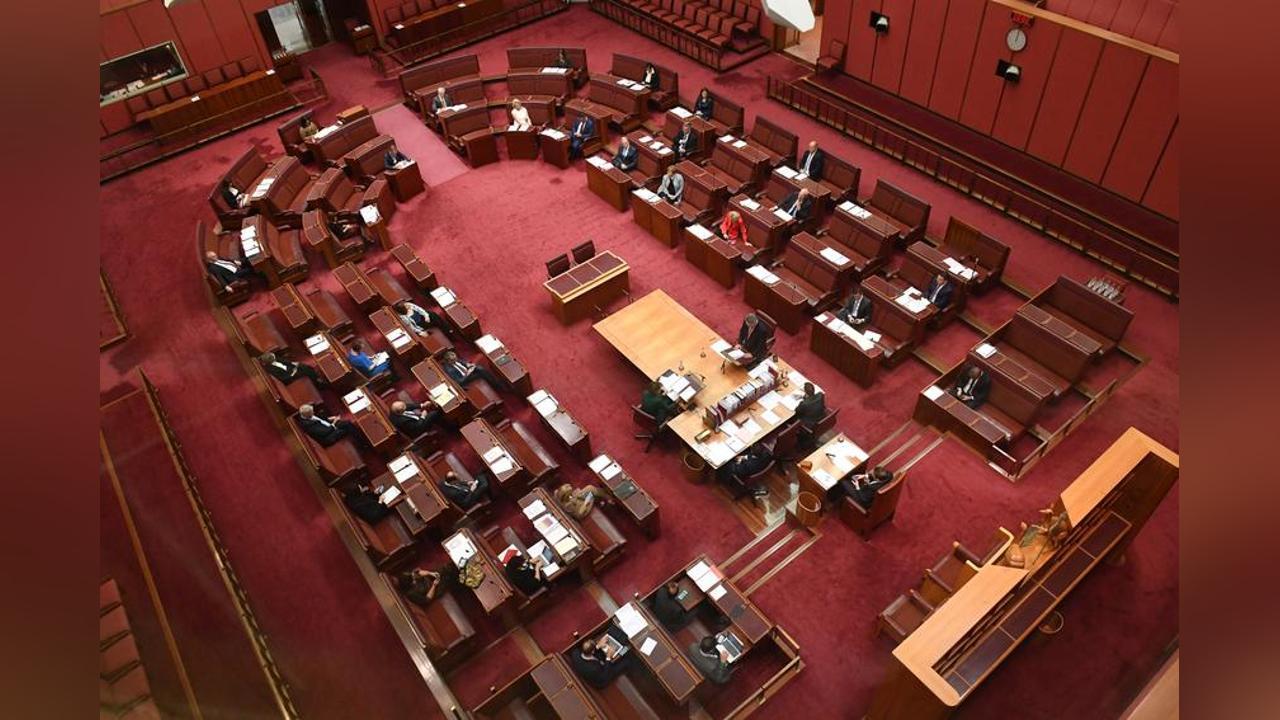
Africa-Press – Eswatini. THE 12th Parliament has heard it all from the populace, albeit not for the first time. His Majesty the King has also heard from those responsible for providing the solutions, the parliamentarians. Finding the right candidates for Cabinet to deliver on these issues is the next challenge and there is little room for trial and error.
Much is at stake and if results are not forthcoming, our unrest-bruised, poverty-stricken and largely unemployed nation could cast serious doubt on the national dialogue structure and implementation processes. The repute of the Tinkhundla System and its monarchical democracy, the King’s word (umlomo longacali manga) and the effectiveness of the direct representation to Parliament, which is a hallmark of the country’s election system, are also at stake.
Submissions
The submissions at Sibaya were explicit in their messaging: “We are all sick and tired of raising the same issues with no tangible results.” They were strong enough to draw national declarations of disaster on poverty, unemployment and corruption from His Majesty the King, who ought to be commended for comprehending the severity of the crisis faced by his people and responding accordingly.
The appointment of a Prime Minister (PM), in Russell Mmiso Dlamini, who has experience in national disaster management, gives hope that the King is looking to apply relevant solutions to the challenges at hand. We trust the appointments of Cabinet ministers will continue to reflect this approach.
People are living on the edge and can barely get by, which are some of the factors driving the high crime rate, gender-based violence (GBV), murders and suicides. Therefore, only the best candidates with proven track records will do, particularly for the critical positions in the Commerce Ministry for industrialisation and job creation Agriculture for food self-sustainability, Health, Finance for budget control and justice to end the corruption that derails all our development efforts.
The King is spoilt for choice. There are more than enough capable candidates at his disposal. Complementing this team, we can expect, will be the ‘Grand Plan’ that PM Dlamini presented as a panellist at Sibaya. He had been assigned to present on two items, one of which was ‘what needs to be done differently to improve service delivery in the country’.
Acknowledged
He acknowledged that despite the development the country has achieved thus far, there are gaps that need to be addressed, given that almost 60 per cent of the population still live below the poverty line and the unemployment rate was high. He said we need to improve the economic model and development model, noting that our socio-economic model was ideal for countries that were already developed. He said we need to study the strategies they used to get there and cited the massive development that took place in neighbouring South Africa during the 40-year rule of the apartheid regime.
“We need a ‘plan of plans’ that has a long-term vision, incorporating all government programmes and made into law. This would compel the Finance Ministry to regard the grand plan as a priority,” he said. According to the PM, the grand plan would serve as a comprehensive blueprint that provides clear direction and guidance for aligning various initiatives towards effective service delivery and addressing the urgent needs of its citizens.
I have no doubt he is taking a leaf from countries such as Rwanda, where he has worked while under World Vision, on how to implement poverty alleviation initiatives focused on empowering individuals and communities through skills development, access to education, and job creation.We can also learn from countries like Singapore that have demonstrated how a robust grand plan can propel economic transformation, reduce unemployment rates and improve the living standards of its people.
The biggest threat to this grand plan, however, is corruption. To effectively address this scourge, the plan must foster transparency, accountability and the rule of law, just like in Botswana, where rigorous anti-corruption measures were implemented to transform its society. Botswana is the 35th least corrupt nation of 180 countries globally, and top in Africa.
The grand plan must be able to put in place a well functional Anti-Corruption Commission (ACC), whistle-blower protection measures, and provide ethical leadership that can help eradicate corruption and build trust among citizens, investors and global partners.
Plan
We need a proper plan that has the key to unlock Eswatini’s true potential. However, formulating it should not take more than three months into office, and the PM’s experience in this area should help hasten this exercise. His national coordination skills also ought to come in handy. This is the one opportunity for the country to foster unity, build a brighter future for its citizens, and position itself as a hub for investment in the southern African region, if not the continent.
To succeed, as the King said, we need to put differences aside and unite. This unity can best be catalysed by a positive response and implementation of the people’s wishes which include a genuine political will to end corruption. We wish the new PM well in his term and may he be surrounded by a group of Cabinet ministers who are genuinely committed to the important national assignment at hand.
Source: times
For More News And Analysis About Eswatini Follow Africa-Press