Africa-Press – Eswatini. The completion of the ministry of natural resources and energy biomass assessment has revealed an additional generation capacity of up to 80MW from biomass, which is expected to be launched in 2024.
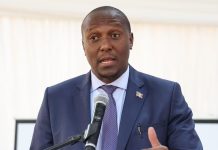
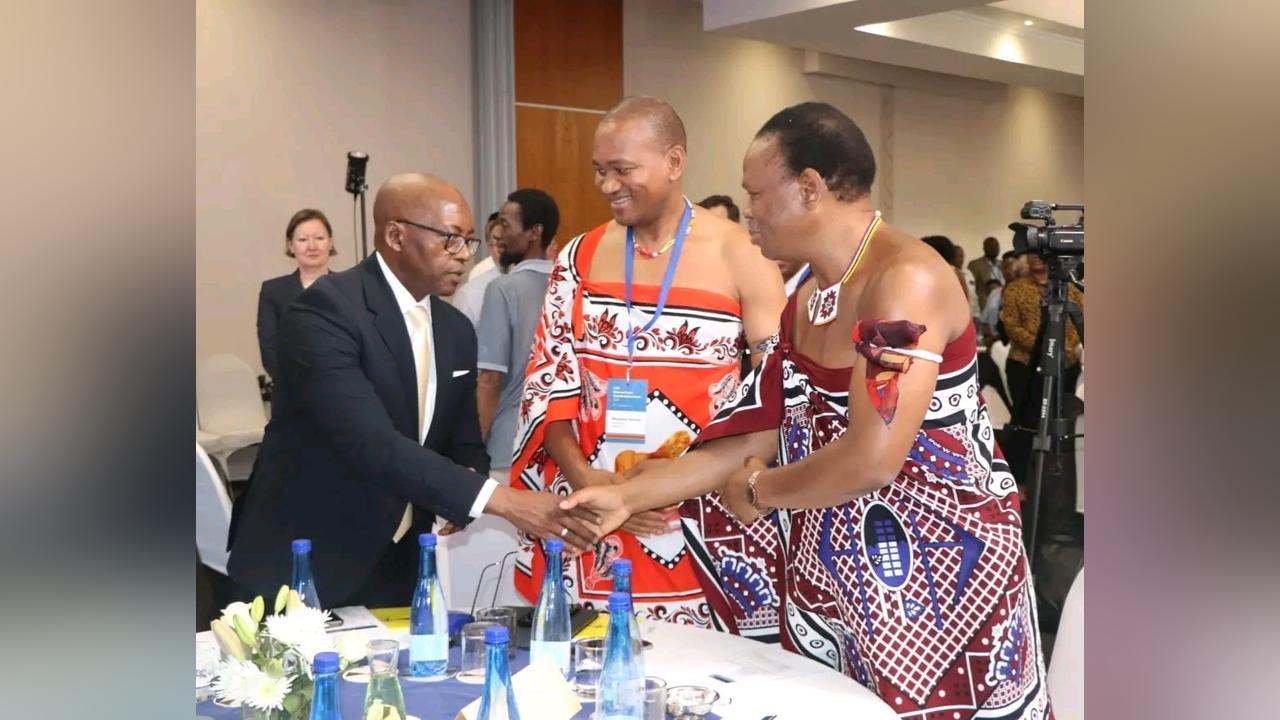
This was stated by Minister of Natural Resources and Energy, Prince Lonkhokhela, during the European Union (EU) Green Power Transformation Forum 2023 at Royal Villas yesterday.
The forum themed ‘catalysing investments and power sector reform to support the energy transition in Eswatini’ was a continuation of the important discussions and foster of collaborations that were initiated in the first workshop in November 2022.
The minister appreciated the assistance being provided by the EU, German, Sweden, Netherlands and Austrian governments through the GET.Tranform and GET.Invest initiatives being implemented by the GIZ.
He said the support was aligned with Eswatini’s ambitions for energy transition as it addressed policy and regulatory gaps to level the playing field for the private sector alongside ensuring that the public and private sectors were capacitated to deliver on renewable energy and energy efficiency projects which are key for the energy transition.
“The ministry is already working on the development of renewable energy projects, through public private partnership,” he said.
The minister highlighted that the ministry was working towards 75 Megawatts of solar power capacity which was now at the final stage of procurement and whose commissioning was planned for May-June 2025.
“40 Megawatts of biomass power capacity which is at the request for proposal stage and the commissioning is planned for July 2026,” said the minister.
He said these projects would be developed by the private sector in partnership with government through the provision of the necessary support that would be required to ensure that the projects were successfully developed.
“A biomass assessment has been completed by the ministry working with the biomass producers which revealed an additional generation capacity of up to 80MW, and the procurement of this capacity is expected to be launched in 2024.
The government, through the energy regulator, has expressed a desire for further technical support funding towards realising this significant national project,” he said.
The minister further indicated that the ministry was also implementing other renewable energy projects such as a feasibility study for a 33 Megawatts hydro power capacity from lower Maguga and Maguga expansion which had been completed and funding for implementation was being solicited.
“13 Megawatts of hydro power from Lower Maguduza which is expected to reach financial close by December 2023 and construction is expected to commence in April 2024,” he added.
The minister further stated that over and above energy security, the above mentioned projects aligned well with the country’s target of achieving universal access to affordable, reliable and modern energy by 2030.
Business Eswatini (BE) CEO E. Nathi Dlamini said as the representative voice of the business community, they BE recognised the pressing need for the country to reduce its dependence on imported energy and bolster in-country generation capacity instead.
“As you will undoubtedly agree with me, Eswatini’s heavy reliance on South Africa and Mozambique for 80 per cent of its power requirements exposes the country to a range of strategic and geopolitical vulnerabilities,” he said.
Dlamini said in mitigation of these, the private sector was willing to take a proactive approach by investing in and promoting the development of renewable energy projects in Eswatini.
“As our research can confirm, it would be prudent and indeed almost necessary to focus on two key sources of renewable energy: biomass and solar,” said Dlamini.
He said in addition to biomass, solar energy held great potential for Eswatini.
“This sun-rich African nation can benefit immensely from solar farms and rooftop solar installations,” he said.
Dlamini further highlighted that business stood ready to collaborate with local partners and leverage international expertise to design and implement solar projects across the country.
“By utilising solar energy, we can reduce the demand for imported electricity and also contribute to the reduction of greenhouse gas emissions,” he said.
Charge d’Affaires EU delegation to the Kingdom of Eswatini Robert Adam said this event took place during a time when the EU green diplomacy weeks 2023, which began in October and would end next week, were being celebrated.
“The climate and biodiversity crisis are the defining and essential crisis of our time,” he said.
Adam further highlighted that even countries that did not contribute in extremity to the problem have to join and contribute to the solutions.
For More News And Analysis About Eswatini Follow Africa-Press