
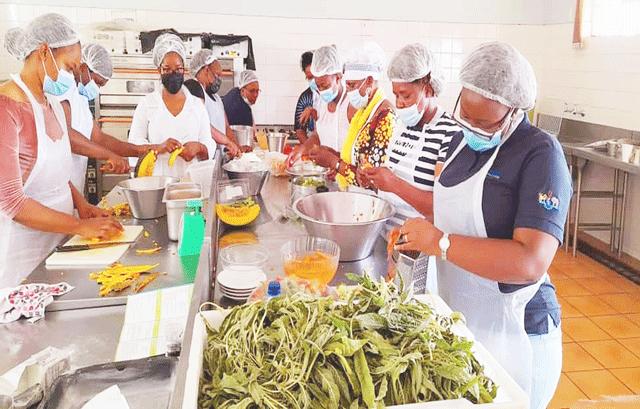
Africa-Press – Eswatini. THIRTY five participants took part in a Taiwan African Vegetable Initiatives (TAVI), which aims to improve the nutritional content of Eswatini’s home and school meals by utilising traditional African vegetables (TAVs).
Part of the activities aimed at enhancing the utilisation or consumption of these vegetables was to conduct a Training of trainers (ToT) workshop for the ministry of agriculture home economics officers, the ministry of education and training schools’ Nutritionists as well as staff from NGOs who promote traditional African vegetables.
According to the home economic department under the ministry of agriculture, there are a lot of adjustments in the day to day life that need to be done for people to survive in this economy.
“Life is not easy, there is a lot we need to cut off like luxuries life even the basic needs need to be cut down. There is a need now for everyone to have two or three sources of income in order to maintain and cushion one’s life and to at least remain a middle class citizen,” the newsletter from the department reads. It states that food is expensive, electricity was high, fuel was up, transport money and bread was up as well. almost everything is on a hike.
The department pointed out that families need to find ways of helping each other at home on saving and minimising unnecessary costs of living. “This training is quite important as it will allow the sensory evaluation or testing of TAVs’ recipes and development of new appetising recipes to enhance consumptions of these vegetable for all age groups,” reads part of the newsletter.
The objectives of TAVI according to the newsletter include; upgrading GeneBank infrastructure, rescue genetic resources of traditional vegetable, improve nutritional content of school and home meals, address the neglected production and consumption of vegetables, support increased farm productivity and facilitating consumers.
It further stated that the project will reach out to primary schools, work with farmers to produce and sell indigenous vegetables for school feeding programmes, promote well established and well managed school gardens as an educational tool for school children.
For More News And Analysis About Eswatini Follow Africa-Press