
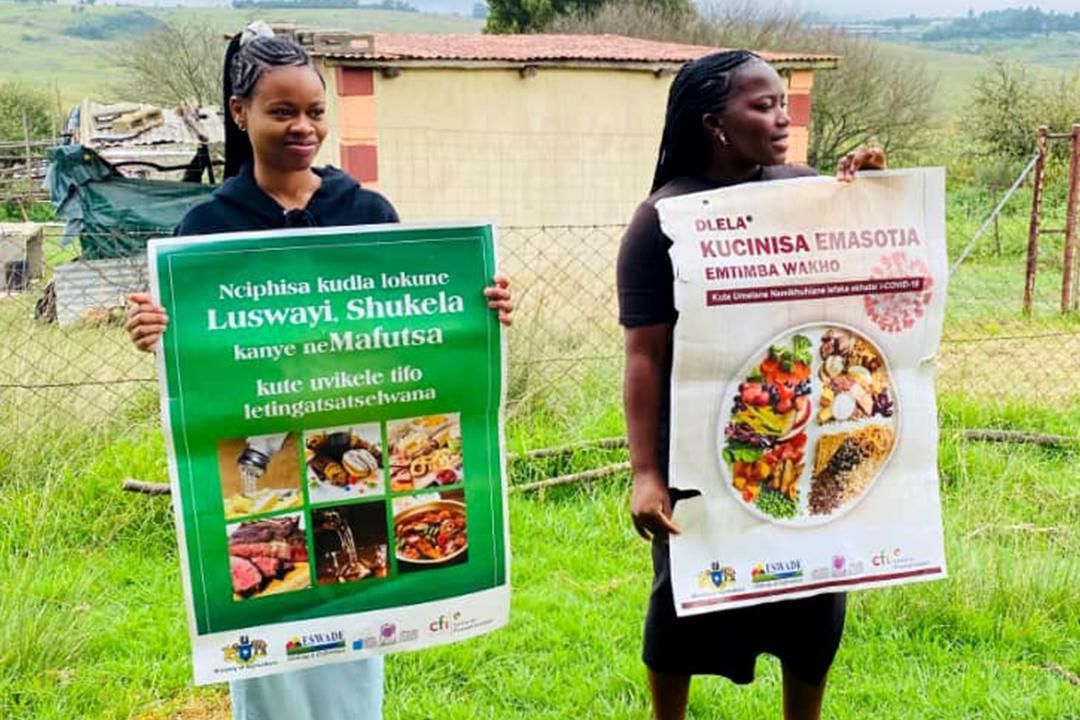
Africa-Press – Eswatini. The Eswatini National Nutrition Council (ENNC) is calling on the nation to embrace a healthier approach to salt consumption to tackle rising cases of high blood pressure and related non-communicable diseases.
Speaking to this publication, Nokwazi Dlamini, the Nutrition Officer at ENNC, emphasized that no matter the source—be it table salt, sea salt, or pink Himalayan salt—salt is salt. “All forms of salt contain sodium, and too much of it can negatively affect our health,” she said.
Dlamini encouraged the public to take small but meaningful steps toward reducing salt intake. Suggestions include rinsing canned foods before use, using less salt in home cooking, prioritizing fresh fruits and vegetables, and adding flavor to meals with herbs, garlic, and citrus fruits instead of salt.
Many people, she noted, are unaware of the sodium content in everyday foods. Processed meats like bacon, instant noodles, bread, and stock cubes often have hidden salt. Even sauces, breakfast cereals, and baked goods can contribute to excessive salt consumption.
The health benefits of reducing salt are both immediate and long-term, Dlamini explained. “In the short term, it helps lower blood pressure and reduce bloating. Over time, it significantly reduces the risk of serious conditions such as hypertension, heart disease, stroke, and kidney problems,” she shared.
Dlamini highlighted the importance of traditional Swazi dishes like liphalishi (soft porridge), tinkhobe (boiled maize), and emasi (fermented milk), which are naturally low in salt. Flavorful dishes like umnqushu (samp and beans) can be made even healthier by using fresh herbs and spices like garlic, onion, turmeric, and curry leaves.
The ENNC also sees a role for policy in supporting healthy choices. Setting sodium limits for processed foods, requiring clear labeling, and promoting low-sodium options in restaurants are all steps that can make it easier for everyone to choose healthier options.
While adults over 30 are most affected by high-sodium diets, Dlamini warned that children and adolescents are increasingly at risk due to the popularity of processed and fast foods. “We need to start healthy habits early to protect children from lifelong health issues,” she said.
ENNC remains committed to providing reliable nutrition advice to all Eswatini residents through the Ministry of Health, NGOs, community outreach programs, and social media platforms. “Our mission is to ensure everyone, whether in urban or rural areas, has the knowledge to make healthy eating choices,” Dlamini concluded.
For ongoing nutrition tips and resources, follow ENNC on Facebook (Eswatini National Nutrition Council) and TikTok (Eswatini Nutrition Council). The team is always ready to help you make the best choices for a healthier future.
For More News And Analysis About Eswatini Follow Africa-Press