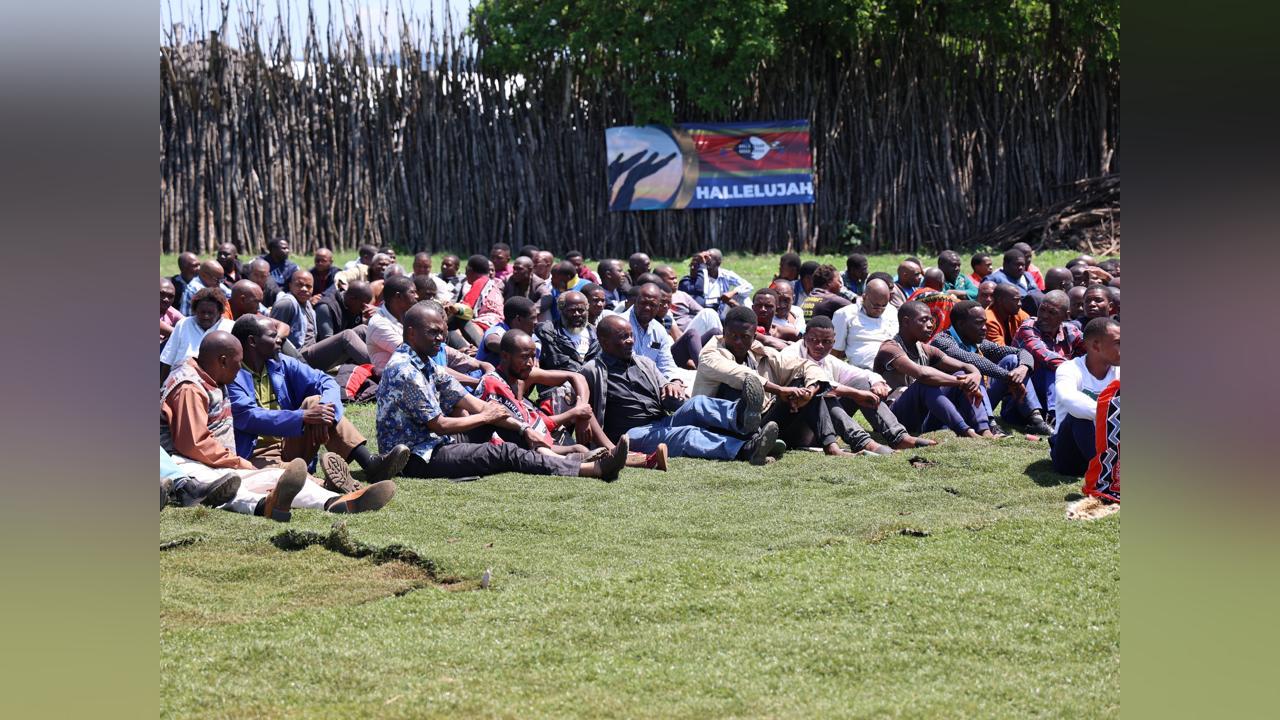
Africa-Press – Eswatini. ENVIRONMENTAL activist Rex Brown has expressed disappointment at the absence of a climate action presentation from panellists at Sibaya.
The seasoned activist said itwas disappointing to not hear any submission on the climate crisis because positive climate action was linked to developmental progress. “This is despite those speakers talking about more jobs,more investments and more development,” he stated.
Reseachers
Last week,The Conversation, an online source of thought-provoking articles written by researchers and academics, across all disciplines, revealed that Eswatini and neighbouring countries, South Africa and Lesotho’s climate zones are the fastest changing countries in the Southern Hemisphere. Climate zones are regions with similar patterns of temperature and precipitation, and the article explains how the climate zones are shifting, expanding, shrinking, or disappearing due to global warming, elucidating on how these changes are already upending natural ecosystems and subsequently forcing significant change to farms and infrastructure as climate change progresses.
“The countries’ climate zones have shifted across 28 per cent of their combined area,” reads a part of the article, adding that “warmer and drier climates bringmore drought aswell as crop loss, water shortages, ecosystem degradation, bushfires and desertification.” The article also highlights that some changesmay be beneficial for people, even though the overall picture is one of calamitous change. “Itmay lead to better agricultural conditions or lower heating costs in cold regions,” the article emphasises. Responding to this,Brown said the findingswere quite interesting considering some of the climate zones that are present in the country, such as the tropical wet and dry zone (Aw) and the semiarid zone (BSh).
Expected
“According to the story, these zones are expected to become hotter and drier in the future, which could pose challenges for Eswatini’s agriculture and water sectors,” saidBrown, stating that some regions may experience more extreme weather events, such as droughts, floods and storms, which could affect the country’sdevelopment andresilience.
Source: observer
For More News And Analysis About Eswatini Follow Africa-Press