
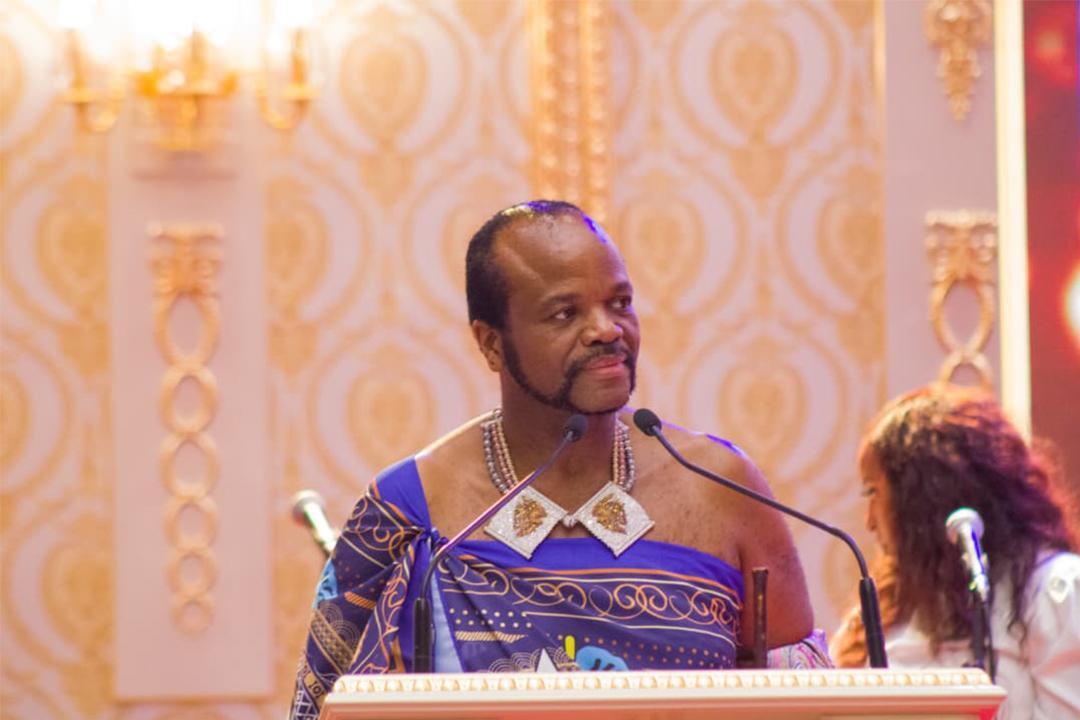
Africa-Press – Eswatini. When His Majesty King Mswati III reflected on Agape love during the Beginning of the Year Prayer Service at Lozitha Palace on Valentine’s Day 2026, his message resonated deeply with worshippers gathered at Mandvulo Grand Hall.
The King described Agape love as unconditional – a love that is selfless, sacrificial and not dependent on circumstances or reciprocation. His explanation sparked visible emotion among members of the congregation. Many, particularly women seated in the tented overflow area, lifted their hands and responded with loud affirmations, clearly moved by the depth of the teaching.
For some, the reaction suggested a yearning for such love in their own lives. Yet the King was clear: Agape love, in its purest form, comes only from God and His Son, Jesus Christ. However, there are instances where unconditional love can be shown among human beings. The king’s remarks not only anchored the Valentine’s Day message in spiritual reflection, but also prompted wider discussion among congregants about the broader biblical understanding of love.
Understanding Biblical Love
In Scripture, love is not presented as a single emotion. Rather, it is a rich and multi-dimensional concept. Biblical scholars often refer to four principal Greek terms used to describe different types of love: Agape, Philia, Storge and Eros. Each carries a distinct meaning and purpose.
Agape – Unconditional and Sacrificial Love
Agape is regarded as the highest form of love in the Bible. It represents God’s divine, selfless love for humanity. This love is not based on merit or emotional attachment, but on a deliberate choice to seek the good of others, regardless of cost.
A well-known example is found in John 3:16, which speaks of God giving His only Son for the salvation of the world. This act symbolises ultimate sacrificial love. However, another illustration is the parable of the Good Samaritan (Luke 10:25–37), where we see a person giving love to a stranger, without expecting anything in return. Here we see compassion being shown to a stranger without expectation of reward.
It was this form of love that the King emphasised in his sermon, linking it to the need for unity, forgiveness and compassion within the nation.
Philia – Friendship and Brotherly Love
Philia refers to affectionate, mutual love between friends or equals. It is grounded in shared values, trust and loyalty.
A powerful biblical example is the relationship between David and Jonathan in 1 Samuel 18:1, where Jonathan’s soul is described as being “knit” to David’s. Their bond was marked by deep loyalty and selflessness.
Jesus also demonstrated Philia in His relationship with His disciples. In John 15:15, He tells them, “I have called you friends,” highlighting a relationship built on closeness and shared purpose.
Storge – Familial Love
Storge describes the natural affection found within families. It is the instinctive bond between parents and children, siblings, and close relatives.
The story of Ruth and Naomi in Ruth 1:16–17 exemplifies this form of love. Ruth’s loyalty to her mother-in-law reflects devotion that goes beyond obligation. Similarly, the relationship between Martha, Mary and Lazarus illustrates deep familial attachment and care.
This type of love often forms the emotional foundation of society, nurturing stability and belonging.
Eros – Romantic and Passionate Love
Eros refers to romantic and passionate love, typically expressed within marriage. Although the specific Greek term “Eros” does not appear in the New Testament, the concept is clearly affirmed throughout Scripture as a gift from God.
The Song of Solomon vividly celebrates romantic love between bride and groom. Likewise, the union of Isaac and Rebekah in Genesis 24:67 portrays affection and companionship within marriage.
Biblical teaching upholds this form of love as sacred and exclusive to the marital covenant.
A Message Beyond Valentine’s Day
By addressing Agape love on Valentine’s Day, the King shifted focus from commercial expressions of romance to a deeper spiritual reflection. While the day is widely associated with Eros, the emphasis at Lozitha was on divine love that transcends emotion and circumstance.
The four biblical expressions of love – Agape, Philia, Storge and Eros – together present a holistic understanding of human relationships. However, as highlighted during the service, Agape remains the foundation upon which all other forms of love should rest.
For many who attended the national prayer gathering, the message served as both inspiration and challenge: to pursue not only romantic affection, but also sacrificial love, loyal friendship and strong family bonds rooted in faith.