
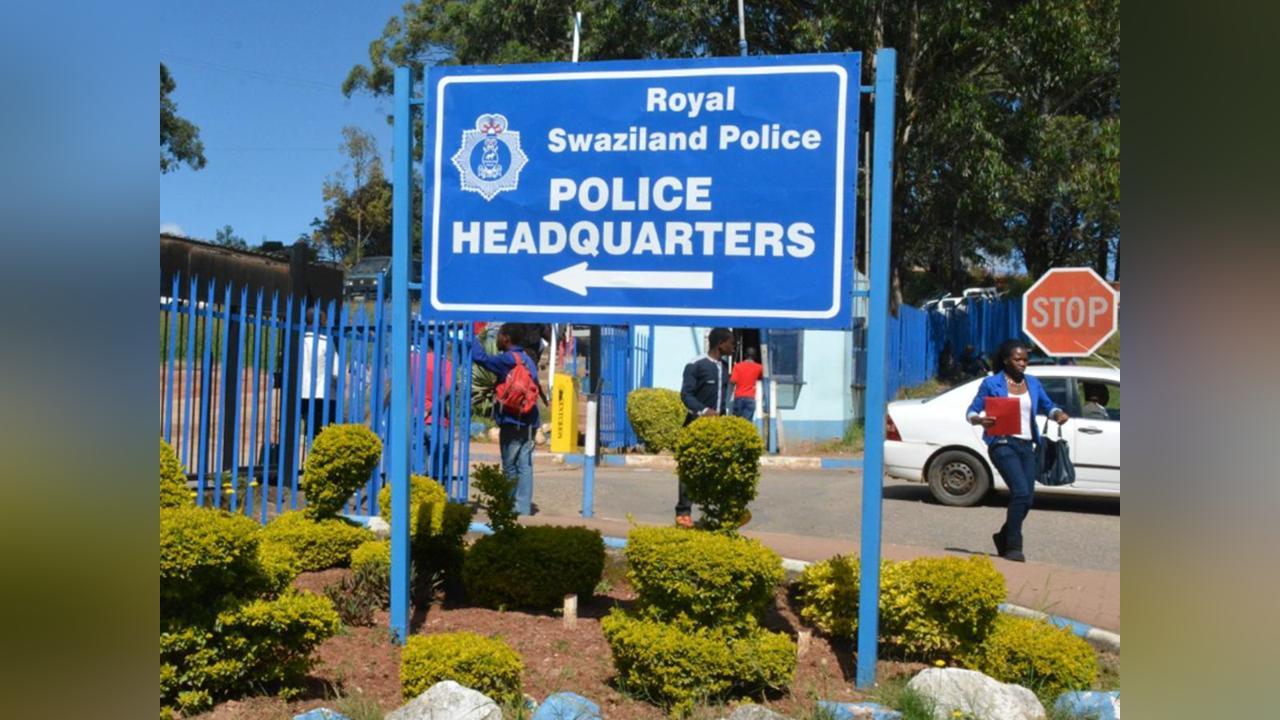
Africa-Press – Eswatini. Crime prevention and management is the bedrock of policing hence it is important that new strategies supporting it are put in place.
National Commissioner of Police representative, Deputy National Commissioner Simangele Motsa, speaking during the official closing of the Basic Crime Prevention course, said crime prevention in policing was important as it ensured that the threat and fear of crime was reduced.
She said the reduction of crime levels in the country contributed positively towards attracting investor capital key in socio-development.
The six-week course was held at the Police Academy in Matsapha and in attendance were 37 police officers from various policing specialisation units, 18 of the officers were women officers while the 19 were male.
She said the importance of crime prevention was one of the reasons why the REPS continue to add new prevention programmes to ensure that crime levels were kept at the barest minimum possible.
policing
Some of the programmes aimed at reducing crime in the country include visible policing and outreach policing programmes.
The outreach educational programme is centred around public education and awareness which are conducted countrywide and the aim is to build a relationship between the police and various strategic stakeholders in communities.
Motsa said all the programmes under crime prevention were all included in the crime prevention strategies and operational plans and would be implemented in consultation with all stakeholders.
She said the police service was appealing to members of the public to continue cooperating and working in close collaboration with the police, as the REPS cannot fight crime in isolation.
partnership
The National commissioner’s representative said it was key for community safety officers to understand that the REPS relied on a policing model of partnership policing.
She said this model takes into consideration that the police alone cannot win the battle against crime, hence it advocates for the promotion and strengthening of partnerships, through the creation of strategic alliances and synergies with various stakeholders in communities involved in the crime fighting value chain in order to turn around the tide against crime.
“Communities are also encouraged to create crime clubs, which involve the establishment of neighbourhood watch schemes within their jurisdiction to fortify efforts for crime prevention.” During the six-week programme, the community safety officers were also trained on topical issues such as the contemporary and emerging crimes.
The aim is for the officers to create awareness and educate communities on these emerging criminal activities such as human trafficking, cybercrime and environmental crimes.
She further stated that capacity building remained invaluable in the Royal Eswatini Police Service hence the organisation prioritises this thematic area as it ensures that the police service delivers on its mandate in a proficient and competent manner.
Motsa noted that it was important for the organisation to always be abreast with the dynamic and ever-changing crime environment and not lag behind criminals. She said the organisation was hopeful that the officers grasped the concepts that were taught throughout the six weeks as they would help them improve the landscape of crime prevention programmes.
During the training, the officers were also reminded about the importance of upholding the organisation’s core values and code of ethics.
Motsa appealed to all officers that they uphold the virtue of honesty and integrity, so that the organisation can continue to enjoy the goodwill and confidence of the public.
The officers were cautioned against engaging in criminal and corrupt practices as well as anti-social conduct and behaviour, such as being violent and/or aggressive, behaving disorderly or engaging in acts that will harm the reputation of the police service.
For More News And Analysis About Eswatini Follow Africa-Press