Africa-Press – Eswatini. Hundreds of refugee and host community learners are benefiting from a major education support initiative aimed at improving access to quality learning opportunities in Eswatini.
The Ministry of Home Affairs has highlighted the success of the Malindza Refugee Reception Centre Education Support Project, which is funded by the Church of Jesus Christ of Latter-day Saints with a budget of E4.7 million.
The project is expected to benefit more than 1,525 learners attending Malindza Central Primary School and Mpaka High School. While approximately 400 of the learners are refugees, the programme has been designed to uplift both refugee children and members of the surrounding host communities.
Significant investments have already been made to improve the learning environment. The funds have been used to construct a kitchen, build eight fully furnished classrooms, establish a science laboratory, and purchase equipment for design and technology studies.
The initiative has also attracted additional support from international partners. Students from Waterford School, through the Seed of Hope Project, donated laptops and refurbished a mobile learning container, giving learners access to digital learning tools and research facilities.
Government says education remains one of the most powerful tools for empowering young people and creating opportunities for self-reliance. By equipping learners with knowledge and practical skills, the project is helping to build brighter futures for children who may have faced displacement and hardship.
The Ministry noted that the programme demonstrates how collaboration between government, faith-based organisations, schools, and development partners can create lasting benefits for communities.
Improvements At Malindza Refugee Centre Enhance Safety And Well-Being
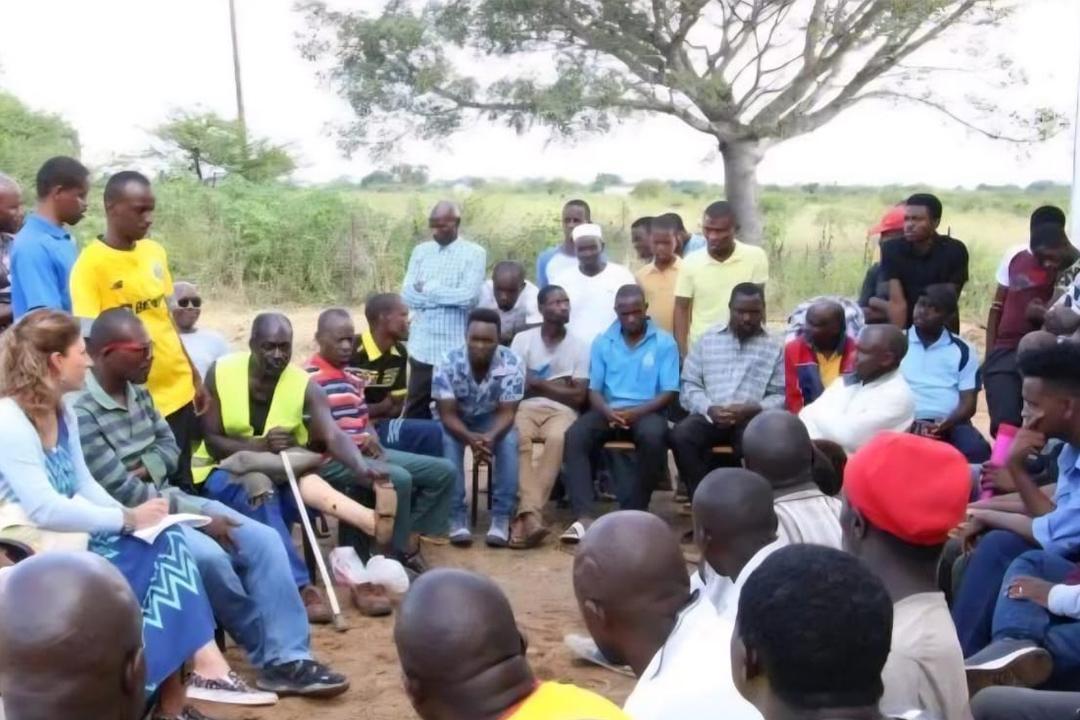
The Malindza Refugee Reception Centre has recorded significant improvements aimed at enhancing safety, living conditions, and access to essential services for asylum seekers and refugees living in Eswatini.
According to the Ministry of Home Affairs, the centre currently accommodates approximately 950 asylum seekers and refugees and continues to provide critical services including accommodation, healthcare, and education support.
Among the major developments undertaken at the facility are the construction of a perimeter fence and the installation of solar-powered floodlights, measures that have strengthened security within the centre.
The improvements were made possible through collaboration with various partners, including the National Disaster Management Authority (NDMA) and the United Nations Children’s Fund (UNICEF).
UNICEF has also assisted by facilitating the payment of outstanding school fees for learners, creating child-friendly spaces, deploying social workers to support vulnerable families, and helping address water and sanitation challenges.
The Ministry praised the contributions of its development partners and reaffirmed its commitment to ensuring that refugees and asylum seekers receive the support they need while residing in the Kingdom.
Officials say the ongoing improvements demonstrate Eswatini’s commitment to humanitarian care, protection, and dignity for displaced people.
Eswatini Advances Durable Solutions For Refugees And Stateless Persons
Eswatini continues to make progress in providing long-term solutions for refugees while intensifying efforts to prevent and eradicate statelessness across the country.
The Ministry of Home Affairs reports that, with support from international partners, several initiatives are helping refugees rebuild their lives and achieve greater stability.
Over the past two years, 24 former asylum seekers and refugees voluntarily returned to their countries of origin with assistance from humanitarian agencies. In addition, opportunities for resettlement have enabled some refugee families to begin new chapters in countries including Germany, Sweden, and Canada.
The Ministry says it remains committed to pursuing durable solutions through voluntary repatriation, resettlement, and naturalisation where appropriate.
At the same time, government has strengthened efforts to combat statelessness. A recently completed mobile outreach exercise provided free birth registration services to populations that previously had limited access to documentation.
Officials believe that ensuring every individual has access to identity and nationality documents contributes to national development, social inclusion, and security. Proper documentation enables people to participate fully in society, access services, and pursue educational and economic opportunities.
The Ministry encouraged citizens and residents to obtain the necessary identity documents and seek assistance where required, reaffirming government’s commitment to ensuring that no one is left behind.
Through these initiatives, Eswatini continues to demonstrate its dedication to protecting vulnerable populations while promoting inclusion, opportunity, and sustainable development.
For More News And Analysis About Eswatini Follow Africa-Press