
Africa-Press – Eswatini. This year’s Earth Hour will be commemorated on March 28. This was revealed on February 11, 2026 when the Eswatini Electricity Company (EEC), in partnership with key organisations, officially launched the Earth Hour 2026 at TLC Events Centre in Sidvokodvo. The venue of the Earth Hour event is yet to be revealed.
The initiative, under the theme “Building the Foundations for Climate-Resilient Development: Adaptation, Mitigation and Energy Security for Eswatini’s NDC 3.0”, aims to encourage national collaboration to tackle climate change and strengthen Eswatini’s energy security.
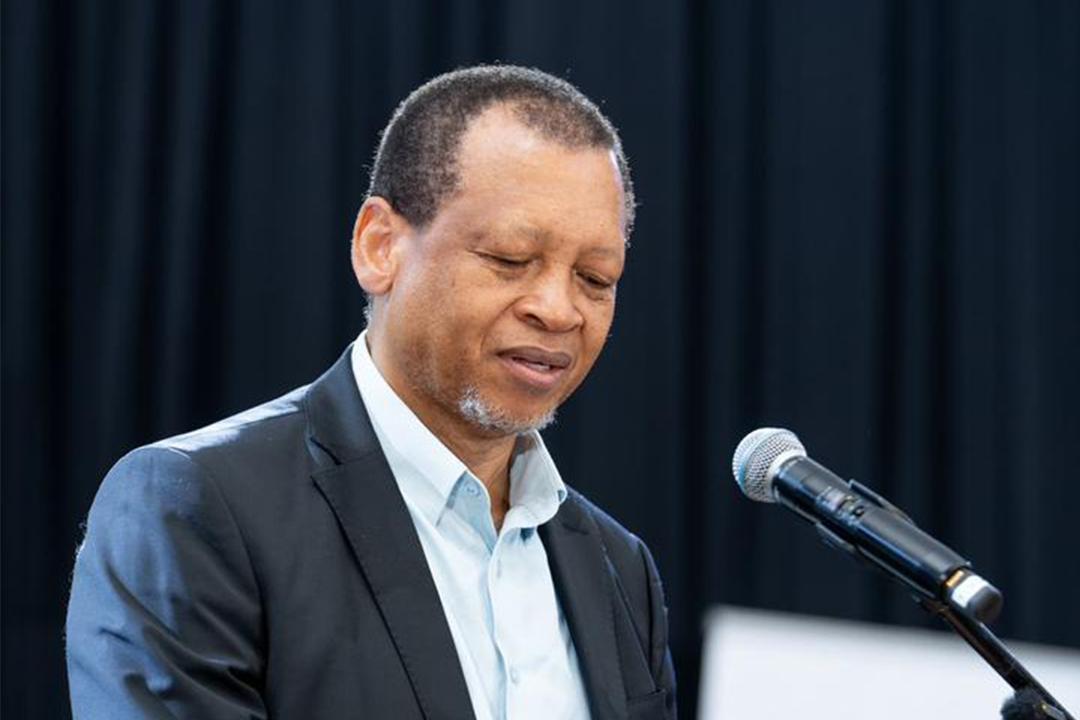
The launch and symposium brought together government officials, development partners, business leaders, and community representatives. Speaking at the event, EEC Managing Director Ernest Mkhonta highlighted the importance of climate action for both people and the economy. “Energy sits at the heart of national development. Electricity powers our water systems, healthcare facilities, schools, and industries,” he said, stressing that reliable energy is crucial for Eswatini’s growth.
Mkhonta noted that climate change is already impacting electricity operations. Extreme weather such as storms, flooding, and high temperatures increases maintenance costs, disrupts supply, and places technical teams at higher risk. He also pointed out that Eswatini’s reliance on imported electricity exposes the country to supply and price risks. “Our responsibility is to plan for a future energy system that is reliable, affordable, secure, and environmentally responsible,” he said.
The EEC MD called on all emaSwati, businesses, institutions, and households to take part in Earth Hour by switching off non-essential lights and appliances during the designated hour. More importantly, he urged collective action to build a resilient energy future. “Earth Hour is more than a symbolic moment. It is about how we invest, produce, and consume energy, and prepare our economy for a changing climate,” he emphasized.
The Minister of Natural Resources and Energy, HRH Prince Lonkhokhelo, represented by Thabile Nkhosi, Director of Energy, who reaffirmed the government’s commitment to sustainable energy development and climate resilience in line with the country’s NDC 3.0 plan.
Earth Hour 2026 serves as a national partnership platform, bringing together government, private sector, financial institutions, municipalities, and communities. EEC sees growing interest from all sectors, signaling that climate action is increasingly seen not just as an environmental responsibility, but also as an economic and development opportunity.
The launch concluded with a call to action: for every Eswatini citizen and organization to participate in the symbolic hour, while taking real steps towards a sustainable energy future. Together, Eswatini can build an energy system that supports development today and protects future generations.