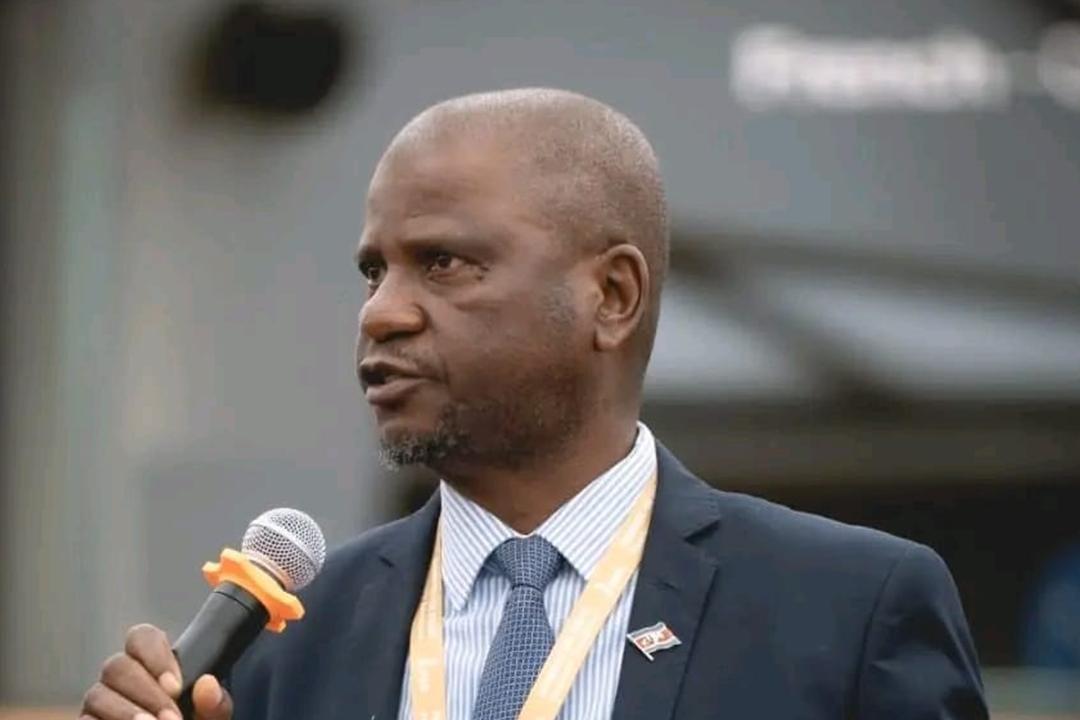
Africa-Press – Eswatini. The Government of Eswatini has reaffirmed its commitment to empowering young entrepreneurs as a cornerstone of rural transformation, with Minister of Agriculture Hon. Mandla Tshawuka calling for increased investment from farm to market at the 49th IFAD Governing Council in Rome.
Speaking on February 10, 2026, during the IFAD Governing Council held under the theme “From Farm to Market – Investing in Young Entrepreneurs,” the Minister positioned youth empowerment at the centre of Eswatini’s agricultural and economic agenda.
He noted that young people make up 35% of the country’s population, describing them as the nation’s “greatest demographic and innovative asset.” He stressed that sustainable rural development goes beyond production and must intentionally support young entrepreneurs to link farms to markets, add value to produce, create jobs and strengthen food systems.
“As a nation, we believe improving smallholder productivity, building resilience and transforming agriculture require empowering youth with affordable finance, infrastructure and skills,” he said.
In a significant policy move, the Minister announced that Eswatini has introduced an Agricultural Development Fund aimed at addressing the high demand for bridging finance in the sector. The fund is expected to unlock opportunities for young agripreneurs and smallholder farmers seeking to scale up operations and access markets.
Hon. Tshawuka underscored the critical role of the International Fund for Agricultural Development (IFAD) in de-risking youth agribusiness through catalytic investments, policy engagement and strategic partnerships. He said IFAD’s interventions help crowd-in private sector finance and transform innovative ideas into scalable enterprises.
To further increase impact, Eswatini proposed key priority areas for IFAD and its partners, including expanding youth-responsive and blended finance instruments, strengthening farm-to-market linkages, investing in agri-tech and climate-smart skills, and scaling up climate resilience strategies.
The Minister painted a sobering picture of the climate challenges facing the country, revealing that the maize crop currently at tasselling stage is being severely affected by a six-week drought and heatwave.
This comes after 90% of the annual rainfall fell within a single week earlier in the season, highlighting the urgent need for adaptive farming systems.
He called for greater investment in water harvesting systems, protected farming and resilience-building initiatives for vulnerable communities.
The Minister also expressed appreciation for IFAD’s continued support, particularly through the Smallholder Agricultural Productivity Enhancement and Marketing Project (SAPEMP). The project targets vulnerable communities, especially women, youth and people living with disabilities, and is expected to significantly improve livelihoods and market access.
Eswatini, he said, stands ready to deepen partnerships with IFAD and like-minded organisations, including private sector players, to co-develop scalable and sustainable solutions.
“Investing in youth from farm to market is an investment in resilient food systems, inclusive growth and the future of our rural economies,” he concluded.
The address reaffirmed Eswatini’s position as a proactive partner in advancing inclusive agricultural transformation and youth-driven economic growth.