Africa-Press – Eswatini. In the wake of public anger and an outcry over the rising incidents of illegal dumping of medical waste and other hazardous materials in several parts of the country, a major cracksdown is on the cards to bring the culprits to book.
The improper disposal of biomedical waste can put the lives of communities, including children, in danger of contracting infectious health risks such as HIV and Hepatitis C and contaminating the soil and waterways, leading to environmental disaster. Municipal refuse collectors, recyclers, and other people who work with waste are also put in harm’s way, resulting to injuries from contaminated needles.
In a swift move, the ministry of health, the Eswatini Environment Authority and other law enforcement agencies have collaborated to investigate the crime and trace where the medical waste comes from.
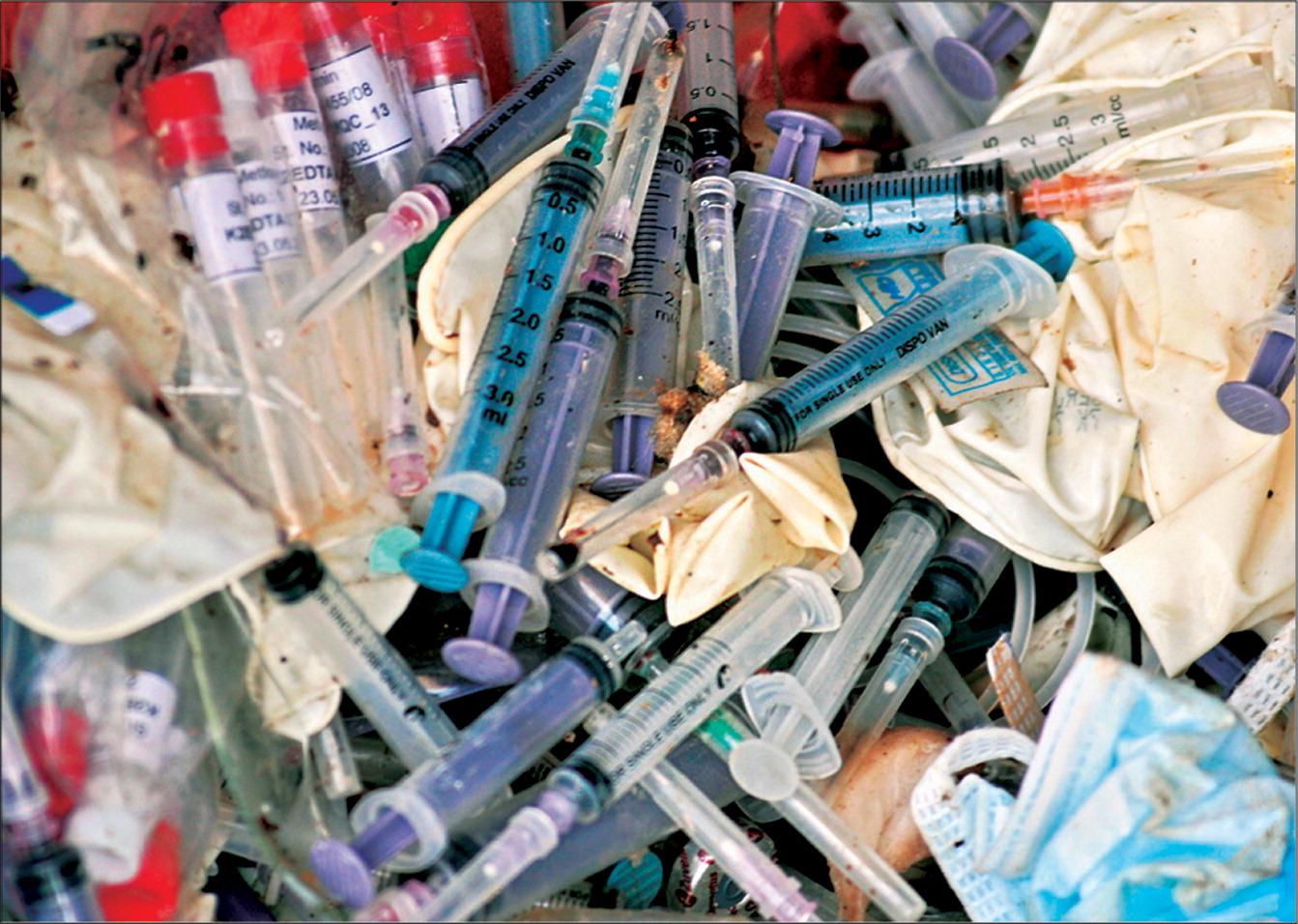
The waste includes used syringes, adult disposable nappies and expired blood collection vials for laboratories.
Minister of Health Lizzie Nkosi visited one of the hotspots in Ezulwini with her team and officials from the EEA.
“The teams were able to get batch numbers which they will track to find out when they crossed the border and that will identify the procuring company. From these records, it will be possible to identify who they were dispatched to,” said Nkosi.
The minister said whoever was responsible would be fined up to E25 000.
“Whoever is responsible for this will be charged under the Environmental Act of 2022 and the waste disposal regulations. These pieces of legislation help us to deal with such waste crimes,” she said.
Nkosi said the Pharmacy Bill which was currently before Parliament would help government to hold pharmacists personally liable if they knowingly disposed of expired vials and other hazardous waste illegally.
Nkosi said a number of pharmacies had been fined.
“Medical products such as syringes, blood samples and expired drugs, if not disposed of properly, pose a serious threat to the environment and residents living in areas where there is the illegal dumping of medical waste, as they are placed at higher risk of contracting infectious diseases,” said Nkosi.
The biomedical waste had already been collected for proper and environmentally friendly disposal by a team of experts from the EEA. When the minister’s site inspection occurred, it had already been removed.
A recycling company that works on the site raised the alarm on the issue.
The minister said there were also some IV fluids pouches and used draw sheets within household rubbish.
“This looked like someone treated at home just threw them out with their household waste. These will be taken to an incinerator,” she said.
Nkosi said the ministry was able to deal with most of the waste but pointed out that hi-tech and sophisticated equipment was used.
EEA Communications Officer Belusile Mhlanga said dumping waste in this manner was illegal.
“This illegal disposal of waste is prohibited, especially when it is clinical waste that poses danger to human health and the environment,” she said.
She appealed to health facilities and pharmacies to abide by the law which requires them to have a special waste management license and abide by it.
“The rules state that they dispose of the waste within their facilities and use incarcerators.
“They also need to ensure that the medical waste does not make it into the environment,” she said.
Mhlanga said they would work with the police to trace the culprits and bring them to book. This is becoming very common as this is the fourth case that we are working on this month,” she said.
Mhlanga said the site was not meant for the disposal of waste.
“There is a huge donga in the area. An attempt was once made to fill it up with construction rubble, to no avail,” she said.
Mhlanga said even if the waste would be useful, the public should not then add harmful waste.
She also urged the community members to be more alert and report anyone seen disposing of waste at the site.
EEA CEO Gcina Dladla indicated last week that they would approach the ministry and law enforcement to assist in dealing with waste crimes, particularly the illegal dumping of medical waste.
“This indiscriminate littering of medical waste products demonstrates clearly that there may be business people or health workers who lack both moral and ethical understanding of the long-term health and environmental implications of their behaviour. As EEA, we will request the ministry of health and the law enforcement agencies to investigate these matters and bring those responsible to book.
“This will assist our efforts to prevent such things from happening in the future,” he said.
Dladla added that the EEA needed the full cooperation and collaboration of the public and various organisations if the crime was to be thwarted.
“We all have a responsibility to protect the environment from the hazards associated with medical waste,” said Dladla.
To report an incident of waste crime contact EEA:
– Call: (+268) 2404 6960/7893
– Email: [email protected]
– Facebook: @EswatiniEnvironmentAuthority
– Twitter: @EnvironmentSWD
– Instagram: @eswatinienvironmentauthority
– YouTube: Eswatini Environment Authority.
For More News And Analysis About Eswatini Follow Africa-Press