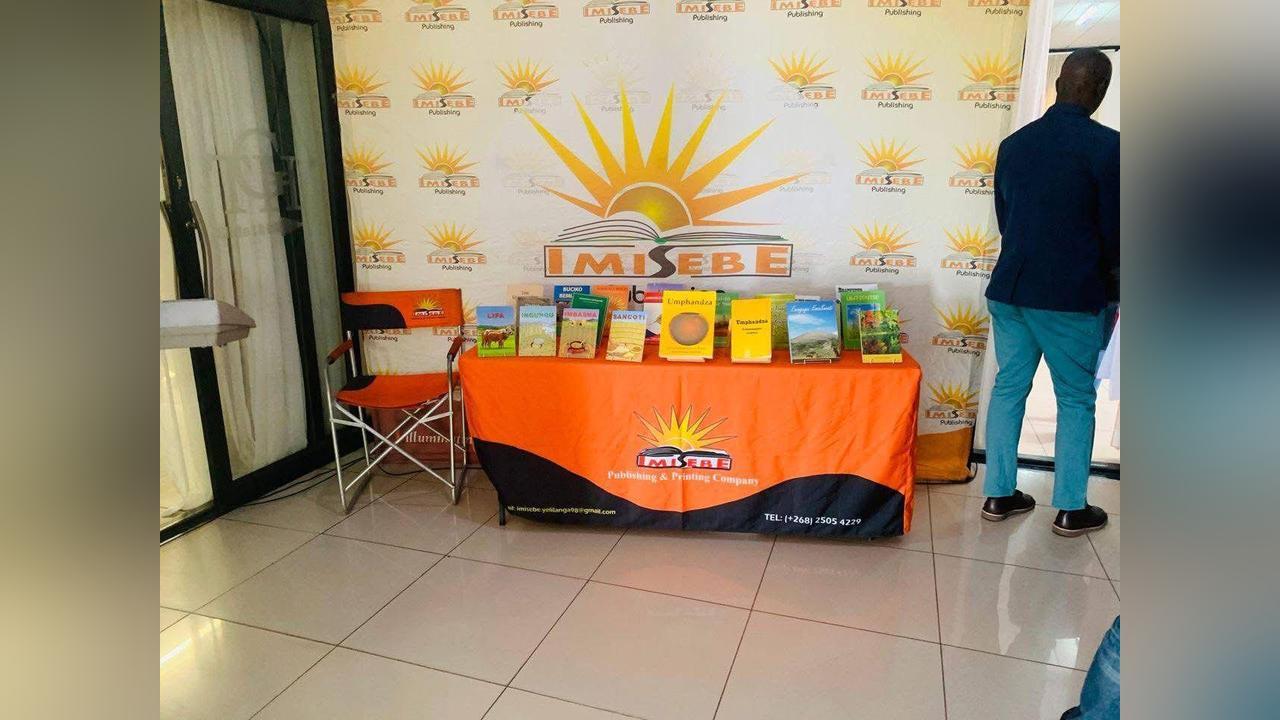
Africa-Press – Eswatini. In a powerful move to safeguard the Kingdom’s linguistic heritage, Imisebe Publishing has launched a national search for siSwati novel synopses. While the initiative seeks to discover new literary stars, its heartbeat lies in a much deeper mission: the active preservation and conservation of the siSwati language for future generations.
As the world becomes increasingly digital and globalised, Imisebe is stepping up to ensure that siSwati does not just survive, but thrives as a vibrant vehicle for modern storytelling. By encouraging authors to write in their mother tongue, the publishing house is making sure that the nuances, idioms, and unique soul of the language are captured in print.
The “Call for siSwati Novel Synopses” is a direct response to the need for more contemporary literature written in our native tongue. Imisebe is looking for stories that reflect current issues—proving that siSwati is perfectly equipped to describe the complexities of 2026 and beyond.
“Writing in siSwati is an act of cultural pride,” the initiative suggests. “By documenting our stories in our own language, we are ensuring that the essence of being Liswati remains intact for the youth and those yet to be born.”
The call is open to all passionate storytellers. Whether you have a finished manuscript or a brilliant idea still in progress, Imisebe wants to see a 500-word synopsis of your work. This is a golden opportunity to contribute to the national archive of knowledge and creativity.
Successful entrants will not only see their ideas moving toward publication but will also be invited to an exclusive writers’ workshop. These sessions will focus on high-level literary techniques, ensuring that the siSwati novels produced are of the highest professional standard, capable of standing alongside international works while remaining uniquely ours.
Writers are invited to submit their synopses via email to [email protected]. The criteria are simple but significant: the story must be in siSwati, it must be thought-provoking, and it must resonate with the contemporary experiences of our communities.
This initiative is more than a contest; it is a call to arms for every Liswati with a pen. It is time to write our own history, in our own words, making sure that the beauty of our language is celebrated on every page.