Africa-Press – Eswatini. Hope is increasingly being placed on the Lubhuku Coal Mine project as a long-term solution to help stabilise rising electricity costs in Eswatini.
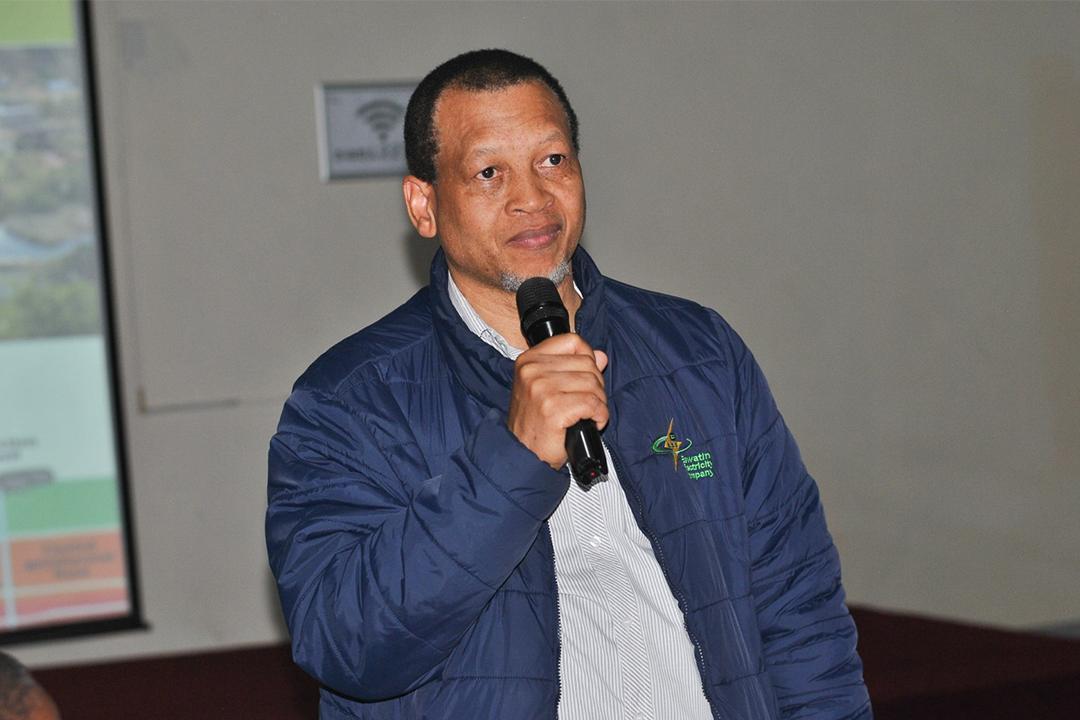
The Managing Director of the Eswatini Electricity Company (EEC), Ernest Mkhonta, said His Majesty King Mswati III deserves recognition for ensuring that the Lubhuku coal mining deal was successfully concluded. He noted that while the project has strong potential to stabilise electricity prices, it should be viewed as a strategic, long-term intervention rather than a quick fix.
Mkhonta was speaking on Friday, 23 January 2025, at the Thokoza Anglican Conference Centre in Mbabane during public consultations on a proposed electricity tariff hike, facilitated by the Eswatini Energy Regulatory Authority (ESERA). The consultations form part of ESERA’s process to gather public input on EEC’s application for an average tariff increase of 20.67 per cent.
EEC has applied for an increase in its revenue requirement for the 2026/27 financial year amounting to E437 883 115. Of this amount, E175 065 326 is linked to import tariff escalations, mainly from NTCSA/Eskom, Electricidade de Moçambique (EDM) and Ubombo Sugar Limited (USL), while E262 817 788 relates to under-recovery recorded during the 2024/25 financial year.
Mkhonta cautioned the public against expecting an immediate or dramatic reduction in electricity prices once the Lubhuku project becomes operational. He explained that while the project is expected to stabilise costs over time, electricity prices may still experience marginal increases due to broader operational and infrastructure demands.
Members of the public attending the consultation expressed frustration over the proposed tariff increase, calling on both ESERA and EEC to shield consumers from repeated electricity price shocks. They urged the authorities to fast-track strategic projects such as Lubhuku, which are intended to reduce reliance on imported power.
Some participants also raised concerns about governance and transparency, urging EEC to guard against inefficiencies or corruption within supply chains that could result in unnecessary costs being passed on to consumers. They further called on ESERA to maintain its independence and fulfil its mandate as a neutral regulator acting in the public interest.
The Lubhuku project has received a major boost following the granting of a 20-year renewable coal mining licence by His Majesty King Mswati III, through the Minerals Management Board (MMB), to the Eswatini Electricity Feedstock Company (EEFC). EEFC is a wholly-owned subsidiary of EEC and will mine coal on approximately 4 000 hectares at Lubhuku in Mpaka.
The project is expected to generate up to 1 500 megawatts of electricity, significantly exceeding the country’s current demand of about 250 megawatts. This surplus is expected to be sold to neighbouring countries, strengthening national energy security while generating revenue and creating employment opportunities.
Minister of Natural Resources and Energy Prince Lonkhokhela described the project as a national asset that will benefit all Emaswati. “This is a very special licence because the profits will remain in Eswatini,” he said. “Our mandate is to mine coal and generate electricity that benefits the entire nation.”
Under the mining licence, EEFC holds a 50 per cent stake, while His Majesty the King and the Government of Eswatini each hold 25 per cent, in compliance with mining regulations. The Minerals Management Board will oversee compliance with the Mines and Minerals Act of 2011.
MMB Chairperson Prince Guduza confirmed that strict monitoring mechanisms are in place, while EEC Board Chairperson Patrick Myeni thanked His Majesty for approving the long-awaited project.
The signing of the mining lease marks a new chapter in Eswatini’s energy sector, positioning the country towards greater energy self-sufficiency, economic growth and sustainable development.
For More News And Analysis About Eswatini Follow Africa-Press