Africa-Press – Eswatini. As a country we must undertake activities that create favourable conditions for women in rural areas.
We must show more appreciation for their role as producers of wealth. The training of rural women is very important, on modern techniques of agricultural production, the various economic opportunities available to them and lastly the protection afforded to them by the Constitution of Eswatini.
As a country, we need more programmes aimed at empowering rural women.
Empowering these women is not only crucial to their well-being as individuals, families and rural communities, but also the overall economic productivity due to their large presence.
Despite their sizable numbers, they do not have access and control over land, as well as productive resources. This lack of appreciation of the role rural women play, in agriculture particularly, is harmful leading to unacceptable levels of poverty, illiteracy and non-involvement in the design and planning of programs and policies.
Women play a very significant role in the agricultural economy, yet they also suffer from the highest levels of illiteracy and they are also the most visible face of poverty. Women guarantee livelihoods, especially in rural areas. These great efforts in agricultural production help towards their self-sustenance.
This, however, is not enough to cover other needs, such as paying for the education of their children or the acquisition of goods necessary for daily survival, etc.
These strong women have limited financial capacity due to an inefficient supply chain and poor supplies conservation.
A recently more relevant factor we cannot ignore is the effect climate change has had and continues to have, including irregular rainfall and droughts, which have a greater impact on rural women and increases the difficulties they must face.
Rural women have to walk long distances to fetch water and collect firewood, which significantly increases rates of infant and maternal mortality, endangering food security and reversing progress in education.
The reality faced by rural women is that agriculture is their main alternative for sustenance, therefore it should come with better access to land and learning how to deal with cultural resistance and adapting to various expressions of this phenomenon.
The unfortunate truth is that the role women assume in agriculture is considered to be just ‘help’ instead of acknowledgment of their significant contribution to agricultural production.
In addition to agricultural activities, social customs dictate that women, especially rural ones, must be responsible for cooking, carrying water and collecting firewood- this has the result of limiting their participation in decision-making processes and exposure to economic opportunities that arise, which of course increases the level of inequality.
Eswatini, as a developing country, has ambitious and inspiring visions of a future full of prosperity.
There are many methods through which we can make this vision a reality, one of which is the recognition we give to the important role rural women play towards the growth of the country.
Rural women are key agents towards achieving the economic, political and social changes required for sustainable development. However, limited access to credit, health care and education are just a few of the many challenges they face.
WHAT IS ONE
BILLION RISING?
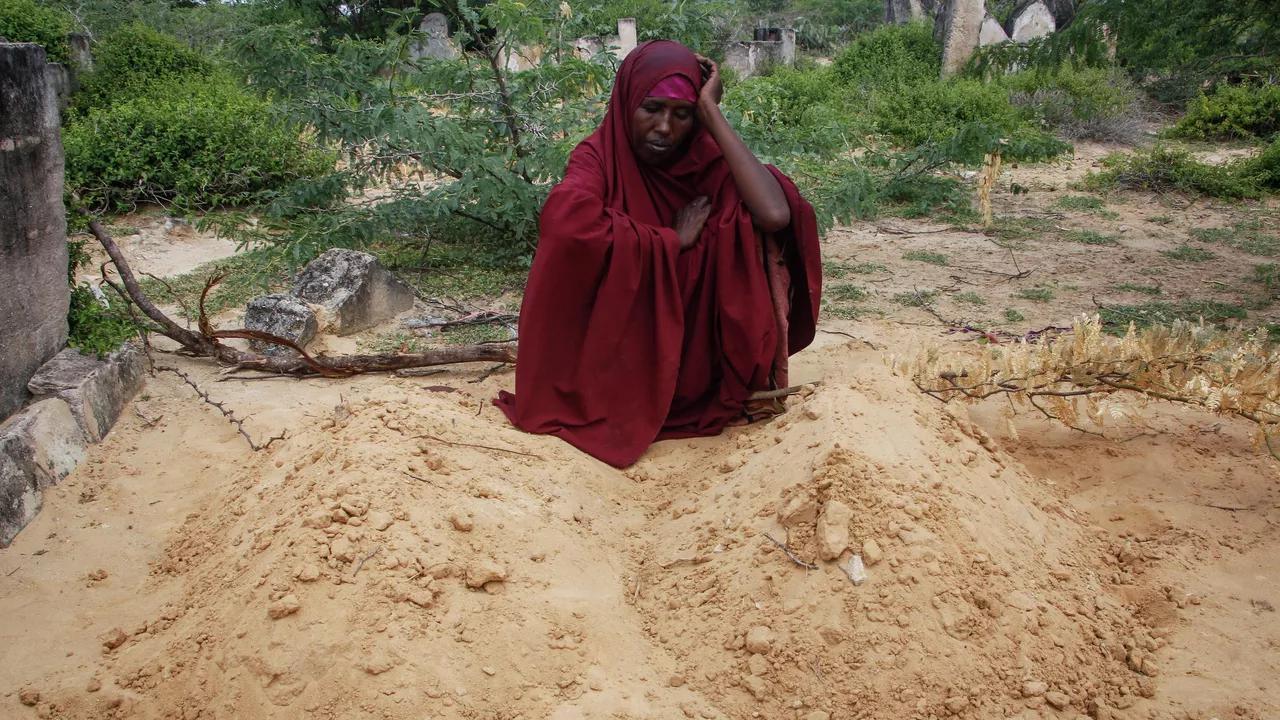
One in three women across the planet will be beaten or raped during her lifetime.
That’s ONE BILLION WOMEN AND GIRLS. Every February, we rise – in countries across the world – to show our local communities and the world what one billion looks like and shine a light on the rampant impunity and injustice that survivors most often face.
We rise through Art, dance to express joy and community and celebrate the fact that we have not been defeated by this violence. We rise to show we are determined to create a new kind of consciousness – one where violence will be resisted until it is unthinkable.
About One Billion Rising
One Billion Rising is the biggest mass action to end violence against women (cisgender, transgender, and those who hold fluid identities that are subject to gender-based violence) in human history.
The campaign, which launched on Valentine’s Day 2012, began as a call to action based on the staggering statistic that one in three women on the planet will be beaten or raped during her lifetime. With the world population at seven billion, this adds up to more than One Billion Women And Girls. Eswatini joined the campaign in 2013.
What we do
The campaign in Eswatini also aim to impact on policy related changes, promoting justice, equality and ending gender based violence. There is continued community engagements, empowering women, girls and the general public on the importance of promoting women’s rights and good governance. This is achieved through:
1. Community engagement/ grassroots mobilisation: One Billion Rising campaign Eswatini has established Gender Based Violence community circles.
The Gender Based Violence Community Circles are aimed at creating safe space for developing community-based protection strategies, which means working with community members to identify challenges and problems around safety and explore ways to address them.
This approach recognises that some GBV-related problems, such as domestic violence, women’s rights violations, family disputes and child marriage, are rooted in social norms that can only be transformed from within the community.
The group discussions provides an opportunity for communities to critically reflect on these issues and on their role in preventing such violence. Under the community circles the following services are provided working with different organisations:
n Economic empowerment for women and youth
n Counselling
n Empowerment on Mental health issues
n Empowerment on SRH issues
n Empowerment on women’s rights, equality and good governance
n Women and girls Leadership training at community level
n Community referral network on gender based violence issues
2. Solidarity networks: Creating a vigorous national and global solidarity and dynamic energy to a rising resistance with different organisations, movements, institutions, government and individuals on issues affecting women, girls and vulnerable groups.
3. Annual Risings (around February14) on focus areas depending on OBR Theme.
4. Solidarity Campaign: Leading solidarity campaigns nationally and globally on ending violence, inequality and discrimination against women, girls and vulnerable groups.
Throughout the years in all our risings in Eswatini we partner with Artists (expressing our voices through art), civil society organisations, Members of Parliament, government institutions, grassroots movements, trade unions, youth, the business sector, the police, schools, traditional leaders and individuals.
Source: observer
For More News And Analysis About Eswatini Follow Africa-Press