Africa-Press – Eswatini. One Billion Rising Eswatini/Journey of Hope for Girls and Women with government partners and stakeholders will present findings of the Complex SRHR Traid Study before Parliament.
According to One Billion Rising Eswatini Director, Colani Hlatjwako, the engagement with Parliament is planned or scheduled for the first week of May.
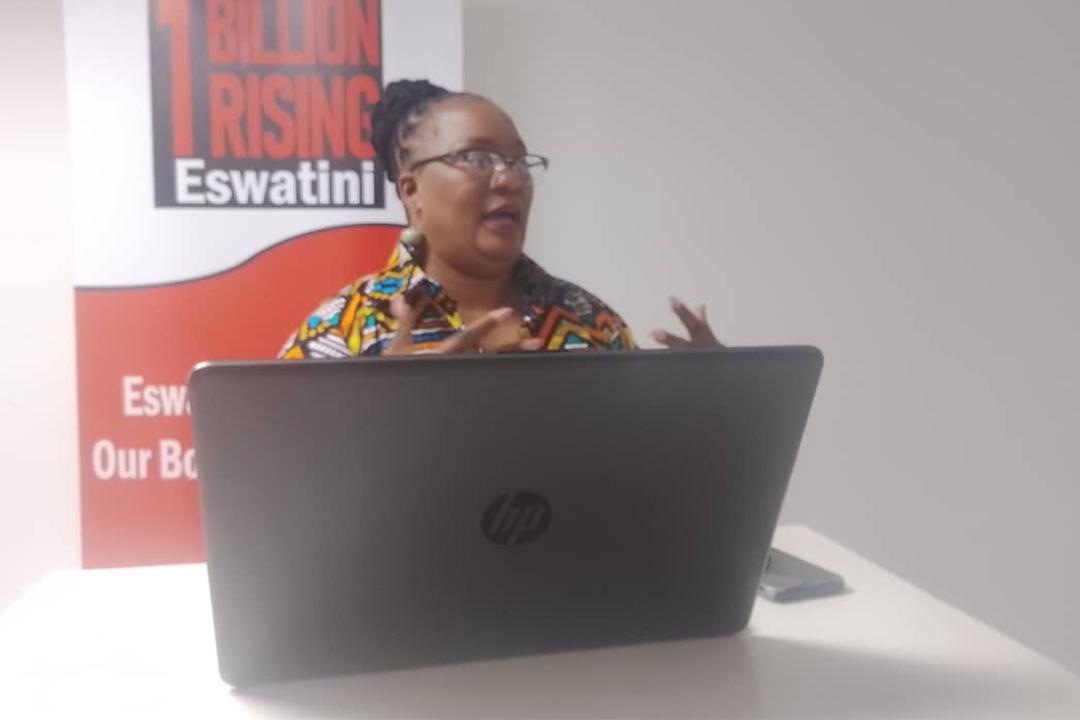
This, she and the Zimbabwe-born Consultant, Nyasha Sengayi, confirmed on April 16, 2026 at Alcon House during presentation and unpacking of the study findings.
“A delegation of our partners will join us to present the findings of the study in Parliament most likely on the first week of May but we are still to finalise logistics,” said Hlatjwako.
The study findings highlight that unsafe and illegal abortion remains a significant contributor to maternal mortality in Eswatini, with recent estimates identifying abortion-related complications as the third leading cause of maternal death.
The study states that a complex Sexual and Reproductive Health and Rights (SRHR) triad, in which gender-based violence, early and unintended pregnancies, and limited access to post-abortion care reinforce one another in a cyclical pattern.
Findings from a survey of 260 girls and young women aged 15–35, alongside 145 community members from both rural and urban areas, reveal that unintended pregnancy is widespread.
Overall, 72.2% of pregnancies were unplanned. The burden is disproportionately higher in rural areas, where 82.8% of pregnancies were unintended, compared to only 17.2% that were planned. Among minors, the situation is particularly severe, with 93.3% of pregnancies among those under 18 being unintended.
Sexual violence and intimate partner abuse emerge as major drivers. Approximately 20.7% of unplanned pregnancies resulted from rape or sexual violence, while 72.5% occurred within contexts of intimate partner violence.
The study also identifies a critical structural barrier described as the “confidentiality trap” affecting minors. Legal frameworks, including the Children’s Protection and Welfare Act of 2012, impose mandatory reporting obligations that may conflict with patient confidentiality.
This discourages adolescents from seeking SRHR services. Survey findings show that 80.2% of respondents feared legal consequences if they sought such services, 84% believed that clinics would report them to the police, and 73% of adolescents perceived healthcare providers as unsupportive or judgmental.
The study, targeted for government stakeholders, parliamentary committees, donors, and civil society, assesses Eswatini’s readiness to address the SRHR triad using a SWOT framework and outlines priority advocacy areas.
While the country has demonstrated commitment through its constitution and by ratifying international and regional instruments such as CEDAW, CRC, the Sustainable Development Goals (SDGs), and the African Union Agenda 2063, implementation remains weak.
However, opportunities exist. These include leveraging existing HIV service delivery platforms to integrate SRHR services, domesticating regional model laws such as the SADC Model Law on Safe Abortion, and positioning SRHR investment as a cost-saving intervention for the health system.
Key threats include entrenched gender norms, legal ambiguity, stigma, and social resistance.
The study proposes a comprehensive advocacy pathway centered on evidence dissemination, multi-sectoral dialogue, legal reform, health system strengthening, community engagement, and robust monitoring mechanisms.
Coordinated stakeholder action across these areas can help break the SRHR triad and accelerate progress toward achieving the SDGs and Agenda 2063 targets for maternal health.
For More News And Analysis About Eswatini Follow Africa-Press