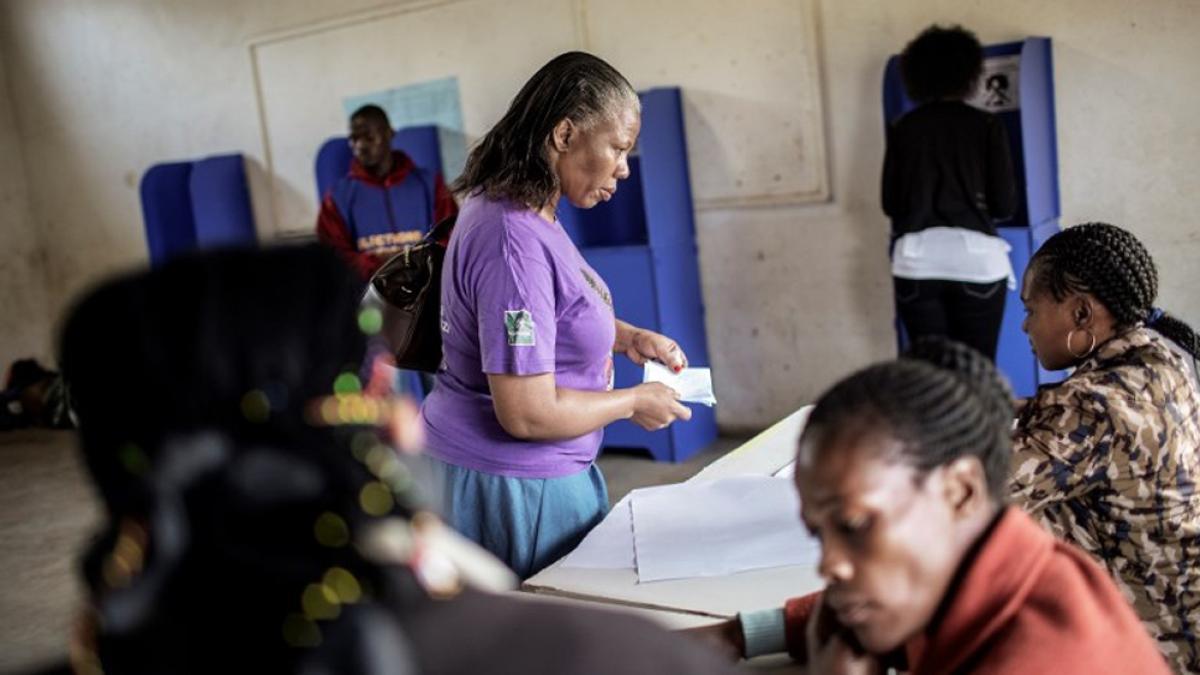
Africa-Press – Eswatini. Tomorrow is D-day as the kingdom is expected to have its second leg of the national elections. Candidates are on tenterhooks. Lots of promises have been made, monies have been spent and now the power is totally in the hands of the electorate. For many, tomorrow will be a day they would like to quickly forget. Communities and families will be divided and in the aftermath of the upsets, some will be permanent enemies.
For the few lucky ones who will make it through, it will be celebration galore and the beginning of a new life with opportunities and challenges. The next coming weeks will see them shoot to some form of stardom, by our standards. They will now be addressed as ‘Mhlonishwa’ and be accorded respect and acknowledgment wherever they go. While some will still be coming to terms with being elected Members of Parliament, they will wake up one day to announcements that they have also been appointed ministers. For most of the eventual winners, this will be their very first taste of politics.
Pains
They’ll be at sea for a couple of years before they get a hang of what they will have signed up for. They will be at pains to realise that many of the promises they made to the electorate are far beyond their sphere of control. Some will be brave enough to make noise in the august House and push for what they will think are national interests. However, they will be frustrated to see how the Executive almost invariably has its way and that their role is largely rubber-stamping. Realising this, some will be comfortable to have no opinion and will go through their terms of office having no position attributed to them. This will not be happening for the first time. It is what we do every five years.
Threats
The elections management body, as well as government, is going into these elections buoyed by the incredibly high voter registration. The government spokesperson was not going to miss the opportunity to spin this as an endorsement of the system of governance by the citizens. That there were clandestine threats, as is always the case, that certain ramifications would be visited upon the people who elect to exercise their democratic right not to register and subsequently vote is now inconsequential. Many people, out of fear, decided to err on the side of caution and at least registered.
The EBC was overwhelmed by the late turnout so much that there had to be an extension of the deadline. The number of those who will turn up to vote will expectedly be significantly lower than those who registered. Government will conveniently choose not to make a big issue of it.
We can also expect a few disgruntled losing candidates who have the financial muscle to challenge the outcome in court; accusations of bought votes and elections fraud will fly in the air. The courts will most likely not deliver any judgments that change anything, fundamentally. A couple of election observer missions are in the country to do what they do in other countries during elections; observe if the elections are done in accordance with the country’s laws and other international instruments the country is party to.
Many of these missions are still finding it hard to understand this unique electoral and governance system and have no idea how to benchmark it. This, owing, in no little part, to the exclusion of political parties as recognised entities that should otherwise be at the forefront of canvassing for political power, as it is the case in most modern democracies. Many biscuit-cracking events have been organised where they have launched the missions and met elections stakeholders to get a sense of what the environment is like. They’ll be out in the field tomorrow and we can expect preliminary reports on Saturday.
Free
Most of the reports will declare the elections to have been relatively free, fair and peaceful. A few minor operational glitches will be noted in some areas. The non-participation of political parties will again be highlighted and recommendations of their inclusion in future elections will again be made. They will then pack their bags and return to their countries after the press conferences with promises of forwarding their recommendations to ‘higher’ structures within their organisations.
When the hurly burly is done, we will have a Parliament swelled by largely new faces who will have no idea what being a politician is. The few so-called veteran politicians, who will either be appointed or elected, will be relied upon heavily to give guidance on procedure and ‘parliamentary behaviour’. These will be put on a pedestal by the newbies and will be expected to set the tone and agenda of the Legislature in terms of what issues should have pride of place on the order paper. How’s that for a prediction of the days, weeks and months to come?
For More News And Analysis About Eswatini Follow Africa-Press