Africa-Press – Ethiopia. The repercussions of the American-Israeli war on Iran and the tensions in the Gulf region, particularly around the Strait of Hormuz, are no longer distant from Ethiopian markets. They have impacted trade movements and supply chains, leading to increased prices of imported goods and a decline in consumers’ purchasing power. Traders and citizens confirm that the global crisis is affecting their daily lives.
Store owners report a noticeable decline in buying and selling activities, with shortages of several goods and rising import costs. They note that the impact is not limited to Ethiopia but extends to the economies of many countries experiencing disruptions in supply chains.
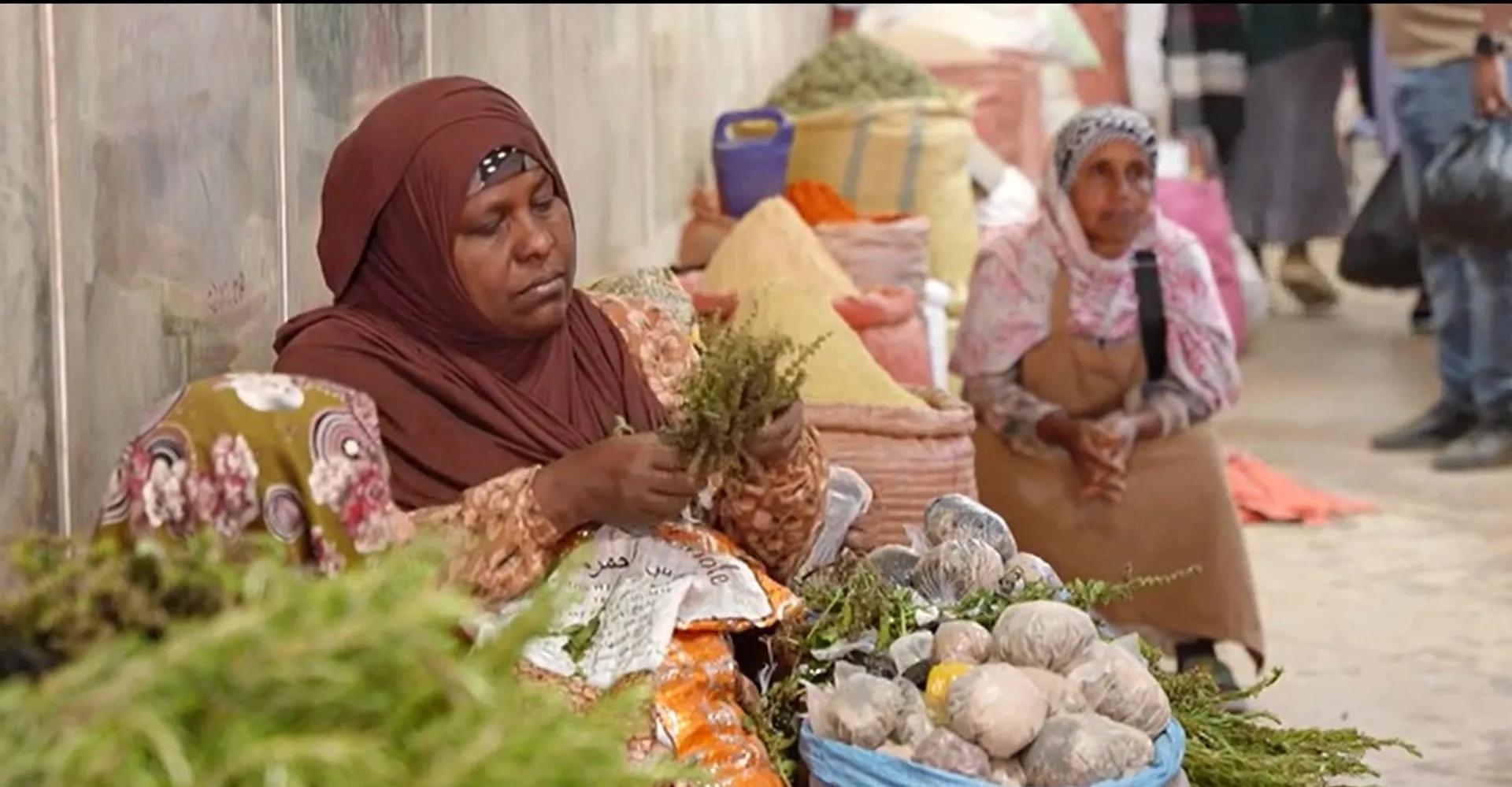
One trader explains that the prices of goods have risen significantly, affecting her business, especially in the trade of herbs and spices that rely on imports from Iran, India, and Lebanon. She confirms that saffron and flowers from Iran have become scarce, and when available, they are sold at high prices. Additionally, the prices of cardamom and cinnamon imported from India have also increased.
The trader attributes a significant portion of these price increases to rising fuel and transportation costs, indicating that a product previously purchased for 100 Ethiopian birr (about $0.8) now costs around 180 birr (about $1.5), forcing traders to raise prices. Consumers are now buying smaller quantities due to the high costs.
She adds that the repercussions of the closure of the Strait of Hormuz have affected the speed of supply deliveries, which used to arrive within a week but now take longer, impacting the availability of goods and leading to decreased customer confidence. She expresses hope for a return to stability and a calming of the situation.
Increase in Transportation Costs
One trader confirms that markets were more stable before the crisis related to the Strait of Hormuz, and the rise in oil and diesel prices has led to increased transportation costs, causing the prices of imported goods to rise by 10 to 20%.
He believes that the greatest burden falls on low-income earners, while the impact of rising prices may be less on those coming from abroad with foreign currencies due to differences in purchasing power. He warns that the continuation of crises could threaten even large companies with bankruptcy, in addition to its direct impact on the most vulnerable groups.
Consumers affirm that global crises are directly reflected in their daily lives. One citizen states that he now limits his purchases to essential needs only, whereas his budget used to cover most of his family’s requirements. He explains that rising fuel and supply costs have also led to increased prices of local products, not just imported ones.
He points out that 10,000 birr (about $81) used to be sufficient to buy a large quantity of supplies, but now it only covers a limited amount, prompting many families to seek discounts and cheaper alternatives.
The citizen emphasizes that the disruptions in the Strait of Hormuz do not only affect Middle Eastern countries but also extend to the Horn of Africa. Any disruption in shipping and fuel supplies leads to increased transportation costs and prices of essential goods, which directly impacts Ethiopian markets due to the economy’s heavy reliance on fuel imports.